Low oxytocin levels in hair are linked to reduced empathy and may affect hair growth. Cinnamic acid can promote hair growth by activating oxytocin receptors.
GT20026 is discussed as a potential treatment for hair loss that targets androgen receptors without affecting hormone levels, but it may not promote significant regrowth. It is expected to be available by 2028, with other treatments like Breezula and Clascoterone also mentioned.
The user is concerned about starting finasteride due to ongoing body development and seeks alternatives to maintain hair until age 25. They are considering options other than finasteride for hair loss management.
A 21-year-old has been using daily oral finasteride, minoxidil, biotin, and vitamins since January 2026 for hair loss, adding topical treatments and microneedling in May. They observed initial shedding and scalp issues but noted significant progress after adjusting their routine.
A 24-year-old uses microneedling, tretinoin, topical and oral minoxidil, and oral finasteride for hair growth, noticing baby hair growth and initial side effects that resolved. Another user shares a similar regimen, excluding finasteride.
Calecim (PTT-6) Advanced Hair System is a 6-week hair restoration product using stem cell-derived ingredients to stimulate hair growth. Users are skeptical, calling it overpriced and ineffective, suggesting alternatives like LLLT devices or PRP treatments.
A 22-year-old is using dutasteride 0.5mg daily, oral minoxidil 2.5mg, biotin 5mg, and microneedling for hair loss. They also use a shampoo with saw palmetto and green coffee but are unsure of its effectiveness due to its high cost.
The conversation is about a product called Serioxyl, which was expected to contain stemoxydine. It clarifies that Diethyl lutidinate is another name for stemoxydine.
A 21-year-old is using finasteride and previously used minoxidil for hairline concerns, considering a hair transplant despite no visible balding. They are advised to continue finasteride as a preventive measure.
The user discusses a galenic hair lotion containing progesterone, estradiol, cyproterone, hydrocortisone butyrate, and cetirizine pheniramine, which has effectively stopped their hair loss over two years. They are curious about the compatibility of finasteride with the lotion's components and note that their trichologist has successfully used minoxidil and finasteride in similar treatments for others.
The conversation is about someone considering adding topical Cetirizine 1% to their existing hair loss treatment regimen and seeking advice on where to buy it and others' experiences with it.
The conversation discusses a year-long hair loss treatment from February 28, 2022, to February 28, 2023, which included daily oral finasteride (1mg), biotin supplements, and the Curly Girl Method. Progress pictures were shared to show the results.
Cassiopea claimed that their hair loss treatment, Clascoterone, shows comparable results to finasteride after six months of use. Some users believe Clascoterone could be an additional treatment option for those who do not respond to finasteride.
Formula 82M, a minoxidil and retinol liquid, improved hair texture and filled in temples with baby hairs for the user, but its high cost and lack of reviews cause concern. Another user mentioned using a similar product, 82F, which has become less effective and expensive over time.
A user wants to add cetirizine tablets to their minoxidil bottle and asks how many 10mg tablets to crush for a 100ml bottle. They seek advice on the correct dosage.
A 22-year-old is considering starting finasteride for hair loss, questioning if their hairline is stable or if treatment is needed. They shared images of their hairline, which has been the same since their teenage years.
The post discusses the user's experience with hair loss treatment RU58841, which was tested for quality and found to be 96+% pure. The conversation includes various responses, with some users questioning the safety of the product and others expressing satisfaction with the test results.
CHK-Cu (copper peptide) and C-60 (branched carbon chain) are discussed as potentially more effective than minoxidil for hair regrowth. Some users are skeptical about the claim that DHT isn't the root cause of hair loss, and others are trying these products to see if they work.
The conversation is about finding high-purity RU58841 solutions for hair loss treatment, with mentions of Anagenic, Selleckchem, MV Supplement, and rudirect.co.uk as potential sources. Users discuss their experiences and preferences regarding product quality and shipping.
Cetirizine 10mg daily reduced hair shedding by 50% and lessened scalp itchiness. The user is considering long-term use for scalp inflammation and hair loss.
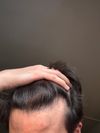
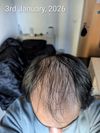
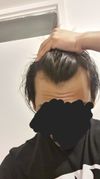
A 23-year-old male noticed hair loss and started using finasteride 1mg, initially experiencing significant shedding which reduced after 100 days. He switched from the brand Andropel to Folcres due to availability in Argentina.
The conversation is about the stability of pyrilutamide in different solutions. The user is asking if a 70/30 ethanol/pg solution with 4% water will degrade pyrilutamide.
A peptide from Japanese water chestnut fruit may help with hair loss by suppressing DHT's effect on hair follicle cell death, potentially serving as a finasteride alternative. The treatment's effectiveness and safety in humans remain uncertain.
The user experienced hair regrowth over a year using minoxidil and inconsistent finasteride, along with a diet including natural DHT-blocking foods. They are pleased with the progress but aim for more consistency.
The potential hair regrowth benefits of ASC-J9, a synthetic modified version of curcumin that is said to be more effective than Minoxidil and Finasteride. Reports from users suggest good thickening and temple regrowth with topical use at 0.025% concentration.
The user started a hair care routine using 0.5mg finasteride daily, 2ml of 5% minoxidil, and 4.5mg of cetirizine topically to address hair loss. They plan to provide updates and are also interested in cetirizine's potential to reduce scalp itching and redness due to its anti-inflammatory properties.
Pyrilutimide and CB-03-01, two treatments for hair loss, have similar clinical trial results despite different binding affinities to androgen receptors. Factors other than binding affinity, like the time a drug stays bound to the receptor, may influence their effectiveness.

![[M23] Finasteride journal](/images/assets/d0f2fe84-b732-4be2-9c51-01aa30f9a6de/small/13068.jpg)