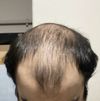
PP405 is a promising new treatment for hair loss that activates dormant stem cells in hair follicles, potentially bypassing the effects of DHT. It is currently in phase 2 trials and could be available between 2027 and 2030, but it is not considered a definitive cure.
The user is seeking an alternative solvent for pyrilutamide due to skin irritation from ethanol and propylene glycol. They experienced similar issues with topical minoxidil.
The conversation is about a user's progress with an oral treatment for hair loss using a stack of finasteride, minoxidil, and biotin over two months, noting stabilization after an initial shed. The user mentions using Hims Chews, which are effective but costly, and another user comments that biotin is ineffective.
The conversation is about the effectiveness of Fluridil (Eucapil) for hair loss compared to RU58841, with the original poster considering Fluridil a safer and potentially more effective alternative.
The conversation discusses the link between increased estrogen and autoimmune diseases, with a focus on avoiding soy and milk. It also mentions treatments like Minoxidil, finasteride, and RU58841 for hair loss.
Yunce Medical, a Chinese company, is developing hair multiplication technology similar to Stemson Therapeutics, with potential for quicker availability due to favorable regulations. Users express skepticism and hope for future advancements in hair loss treatments.
The user shared progress pictures after 3 months of using finasteride 1mg daily and minoxidil 5% twice daily, showing significant hair regrowth, especially at the temples. The discussion includes positive feedback on the results and tips on managing hair care while using these treatments.
A 24-year-old male used a daily oral combination of minoxidil (3mg) and finasteride (1.2mg) for three months, along with weekly microneedling, and reported significant hair regrowth and thickness improvement without side effects. Some users expressed skepticism about the rapid results, while others shared their own experiences and congratulated the progress.
The conversation discusses hair loss treatments, specifically mentioning Minoxidil, finasteride, and RU58841. It also references Epibiotech's hair multiplication and cell therapy as potential solutions.
A user successfully regrew hair using oral finasteride (1mg daily for 3 years) and topical minoxidil (5% twice daily for 15 years) with no side effects. They highlighted the importance of consistency and patience, crediting finasteride for significant hair improvement.
A man shared his hairline improvement after two years on 1.25mg finasteride daily and using piroctone olamine shampoo. He has not had a hair transplant and does not plan to use minoxidil.
The conversation discusses buying RU58841 directly from a Chinese supplier for cost savings. It mentions that companies like Anageninc and Actifolic do the same.
Pyrilutamide Phase 3 approved, starting early 2022 with 416 subjects for 24 weeks. Drug potentially better than RU and Breezula, with some users reporting no side effects.
The user noticed new hair growth after using topical minoxidil and undergoing 2 GFC sessions, along with using caffeine shampoo. They plan to start using topical finasteride and minoxidil and are inquiring if shampooing is necessary before application.
The conversation discusses interest in participating in PP405 trials for hair loss treatment, with users expressing uncertainty about eligibility due to location. Participants are eager for updates and willing to pay for shipping if trials are limited to America.
User experienced hair loss and tried various treatments, including Minoxidil, Finasteride, and Spironolactone. They face a dilemma between continuing treatments for hair regrowth and having a therapy cat, as Minoxidil is toxic to cats.
IGFBP‐rP1 shows potential for treating androgenic alopecia by influencing hair cycle transitions. Increasing IGF-1 levels may have similar effects to Minoxidil and 5-AR inhibitors in reducing hair loss.
A user shared a tragic experience where their cat died after being exposed to Minoxidil, warning others of its toxicity to pets. Some users discussed switching to oral hair loss treatments, while others expressed condolences and shared their own concerns and experiences with topical treatments around pets.
A 39-year-old has been using topical 5% minoxidil for 11 years, added microneedling, and recently started using a topical combination of minoxidil and 0.3% finasteride, noticing some hair regrowth after three months. They experienced minor side effects when switching finasteride concentrations and plan to continue the treatment, possibly adding oral finasteride or dutasteride if significant progress is seen after a year.
The user experienced significant hair regrowth using 1mg oral finasteride, DIM, and beetroot powder, while also focusing on gut health and reducing alcohol intake. Other users discussed the importance of iodine, fermented foods, and maintaining a balanced diet for overall health and hair improvement.
KX-826 is undergoing trials for hair loss treatment, showing similar effectiveness between 0.5% and 1.0% dosages, with mild side effects compared to finasteride. Users discuss combining KX-826 with other treatments like minoxidil and clascoterone for better results.
A user experienced significant hair density increase after 80 days using oral finasteride, topical minoxidil, and microneedling with a derma pen. They reported minimal side effects and attributed their success to being a hyper responder to the treatments.
The user is trying RU58841, oral minoxidil, and dermarolling to combat hair loss caused by increased scalp testosterone after using finasteride and dutasteride. They plan to document their results.
Hair loss discussion includes treatments Minoxidil, Finasteride, and RU58841. Users question effectiveness of HMI-115 and consider waiting longer for results.
The conversation humorously suggests that drug use might be more effective for hair retention than traditional treatments like minoxidil or finasteride. It attributes full heads of hair in homeless individuals to lifestyle factors like reduced stress or hormonal changes.
The user experienced noticeable hair regrowth in three months using finasteride, minoxidil, and weekly dermastamping, while managing scalp inflammation with clobetasol. The user also uses a sea salt shampoo and rosemary conditioner to help maintain scalp health.
A 25-year-old shared their 3-month progress using a combination of 1mg finasteride and 5% minoxidil for hair loss. The images show noticeable improvement in hair density.
The user discussed their hair loss treatment routine, which includes using Minoxidil, caffeine, biotin liquid, and RU58841 twice daily, Nizoral twice a week, and microneedling once a week. They plan to switch to rosemary essential oil after seeing full hair regrowth.