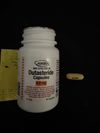
The conversation is about applying 2% Ketoconazole to the scalp for hair loss treatment. It suggests using conditioner afterward due to its drying effect.
Dutasteride at 2.5mg is considered a potential hair loss cure due to its DHT-blocking ability, but there are concerns about side effects and individual responses. Minoxidil, finasteride, and RU58841 are also discussed, with mixed opinions on their effectiveness and safety.
GHK-Cu injections led to unexpected temple hair growth for someone who had been using minoxidil and finasteride for over a decade. The user plans to continue using GHK-Cu and experiment with a DIY AHK-Cu serum.
Ketoconazole 2% shampoo stopped a user's severe hair shedding after just two uses, a result not achieved by finasteride or oral minoxidil. Some users suggest the shampoo's anti-androgenic properties may help with hair loss, while others think the shedding might have stopped naturally or due to the end of a shedding phase.
The user experimented with finasteride to reduce hair loss and plans to test if creatine affects DHT levels while on finasteride. Initial results showed low DHT levels, indicating finasteride's effectiveness, with further tests planned for creatine's impact.
RU58841 lacks FDA approval due to financial and safety concerns, including potential cardiological side effects. The company abandoned further research, and users report adverse effects like heart palpitations and gynecomastia.
The conversation is about using alfatradiol (17α-estradiol) as a hair loss treatment. The user is considering adding it to their regimen due to its safety and availability.
A 19-year-old male switched from finasteride and minoxidil to dutasteride due to continued hair thinning and is experiencing increased nipple sensitivity and a small lump, raising concerns about gynecomastia. Suggestions include slowing the transition, checking hormone levels, and considering an aromatase inhibitor.
The conversation discusses alternatives to 5AR inhibitors for hair loss treatment, suggesting options like minoxidil, KX-826, pyrilutimide, microneedling, and topical bicalutamide. Concerns about side effects and the effectiveness of these treatments are also highlighted.
A user experienced a tingling sensation in their mouth after taking a cut finasteride pill, possibly due to inactive ingredients like mannitol or sodium lauryl sulfate. Tingling is not a common side effect or typical allergy sign, but monitoring for unusual reactions is advised.
Copper peptide topical is being discussed for hair health, with some users noting it may improve hair volume. There is uncertainty about its effectiveness against hair loss.
The conversation discusses using Rogaine (Minoxidil) and ketoconazole for hair regrowth, with interest in trying a formulation with Azelaic Acid for potentially better results. Concerns about Azelaic Acid's effectiveness and safety, including skin sensitivity to sunburn, are mentioned.
The post discusses a phase 2 trial for HMI-115, a hair loss treatment, in China, specifically seeking volunteers aged 18-65 with Norwood 3 vertex, 4, and 5 hair loss. The conversation includes questions about the specific recruitment criteria and how to volunteer.
The conversation is about the anticipated results of Pelage's Phase 2a clinical trial for their topical hair loss treatment, PP405. Users speculate on when the results will be available, noting that delays might indicate less successful outcomes.
The conversation discusses using a microneedling device on the face after using it on the scalp, with suggestions to use a depth of 0.2mm for facial treatments. Caution and proper sterilization are advised due to the sensitivity of facial skin.
Kintor plans to release pyrilutamide foam and a plant-based Koshine by year-end, with GT20029 progressing in their pipeline. Users are pleased about the absence of propylene glycol (PG) in the new products.
Chlorine dioxide was discussed as a potential hair growth treatment, with a method involving spraying it on the scalp and covering it with a cap. Concerns were raised about its safety, comparing it to bleach.
A 22-year-old male with high estrogen levels is considering finasteride for hair loss but is concerned about potential side effects due to his hormone levels and family history of diabetes. Users suggest consulting a doctor, possibly an endocrinologist, and considering lifestyle changes like diet and exercise to address visceral fat and insulin resistance before starting treatment.
A user is asking about increasing their dutasteride dosage from 0.5mg to up to 2.5mg and whether it improves hair loss treatment. They are seeking experiences from others who have tried higher doses.
The user experienced side effects from daily finasteride and reduced the dosage to 0.25mg twice a week while continuing minoxidil. They are considering topical anti-androgens but are concerned about application difficulties and potential side effects.
A user is experiencing continued hair loss despite using 0.5mg dutasteride and 2.5mg minoxidil, and is seeking advice on why the treatments aren't working and how to address potential androgen receptor sensitivity. Replies suggest getting tested and considering scalp micropigmentation (SMP).
Minoxidil is highly toxic to cats, and even small amounts can be fatal. The user decided against using topical minoxidil due to the risk to their cats and considered oral minoxidil and ketoconazole shampoo as alternatives.
Creatine use with finasteride increased DHT levels, possibly affecting hair loss. The user plans to reduce creatine to stabilize DHT and hair shedding.
Hair loss discussion includes treatments like Minoxidil, Finasteride, and RU58841. L'Oreal's study on Stemoxydine 5% claims a 4% increase in hair density after 3 months, but some users question potential bias.
Clascoterone and RU58841 are compared for effectiveness in treating hair loss. The discussion involves treatments like Minoxidil, finasteride, and RU58841.
The conversation is about the potential of SCUBE3 to regrow a juvenile hairline. Specific treatments mentioned include Minoxidil, Finasteride, and RU58841.
The conversation discusses concerns about MVSupplements.com products, specifically the Min+Ru spray and GHK Serum, due to discrepancies in ingredient lists and recent poor feedback. Users also mention a price increase and one user reports no issues with the RU powder.