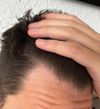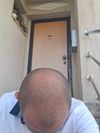
The user reports significant hair regrowth after 2 months using a regimen of oral minoxidil, dutasteride, and a topical mix of minoxidil, RU58841, and caffeine. They apply the topical solution nightly and have not experienced any side effects.
A 35-year-old shared their 1-year hair loss treatment progress using 0.5mg Dutasteride, 5mg oral Minoxidil, topical Minoxidil, and Ducray Anaphase+ shampoo daily, noting significant changes after 4 months despite some shedding. They reported minor side effects and followed their dermatologist's advice for the treatment plan.
The user is seeking advice on safe hair loss treatments for a household with pets, avoiding minoxidil due to its danger to cats. They are considering alternatives like dutasteride and looking for affordable options.
Hair loss progress in 4.5 months using dutasteride 3x/week, topical minoxidil 1-2x daily, and microneedling 2x/month. Users praised the significant improvement.
The user was diagnosed with DUPA and initially treated with finasteride, then switched to dutasteride which worsened their hair loss. They are now returning to finasteride and adding treatments including oral minoxidil, Proscar, Viviscal, pumpkin seed oil, LLLT, and Nizoral shampoo, hoping for hair regrowth.
The user is experiencing hair loss and has been using RU58841 but is considering pyrilutamide and minoxidil, avoiding finasteride due to side effects. Another user suggests finasteride or dutasteride as essential, possibly in topical form, while dismissing saw palmetto as ineffective.
Hair loss treatments discussed include minoxidil, finasteride, dutasteride RU, derma rolling, pyrilutamide, cosmeRNA, hair systems, and essential oils. The user seeks information on additional treatments, safety profiles, and alternative options for androgenetic alopecia.
Low doses of dutasteride are as effective as higher doses for hair regrowth, with fewer side effects. Users find success taking it 2-3 times a week instead of daily.
Mixing RU58841 with minoxidil compounded with tretinoin is discussed, with concerns about systemic absorption. Topical dutasteride and finasteride are also mentioned as treatments, with varying personal experiences and concerns about side effects.
The conversation is about a hair loss serum mix containing 5% capixyl, 3% redensyl, and procapil. The user is asking for recommendations or opinions on the effectiveness of this product.
Dutasteride once a week may be a cost-effective alternative to daily finasteride for reducing DHT levels, with potential benefits for those seeking a lighter approach to hair loss treatment. Some users combine dutasteride with finasteride, minoxidil, and dermarolling for improved results.
The post is about a user's hair loss progress using Minoxidil and dutasteride treatments. The conclusion is that the user has seen positive results after 5 months of treatment and has no regrets.
A woman experiencing hormonal hair loss is on dutasteride and bicalutamide, which initially improved her hair, but she is now experiencing a second shedding phase with significant short hair loss. Despite normal hormone levels and no deficiencies, she is unsure if this shedding is normal and seeks advice.
The user, on testosterone replacement therapy, found finasteride and minoxidil ineffective for hair loss. They are trying a new topical gel with dutasteride, tretinoin, and a higher concentration of minoxidil, and plan to document the results.
Comparing the effectiveness of RU58841, Pyrilutamide and CB-03-01 as treatments for hair loss, with people discussing different aspects such as binding affinity, time of inhibition, safety data and cost.
A 37-year-old male stopped using finasteride and minoxidil due to side effects and switched to derma rolling, scalp massaging, and Revita shampoo, resulting in thicker, healthier hair with new growth. Users discuss the effectiveness of mechanical scalp stimulation, with some sharing similar positive experiences and others expressing skepticism.
Clascoterone 5% solution shows strong potential for hair growth, offering a new treatment for alopecia with minimal side effects. It blocks androgen receptors locally and may be available by late 2026 or early 2027.
The conversation is about managing an itchy, flaky scalp, possibly due to psoriasis, and the use of a hydrating conditioner to address dryness. The user is concerned about using conditioner due to experiencing telogen effluvium.
A 23-year-old shared progress pictures after 9 months of using dutasteride and 8 months of applying minoxidil once daily due to scalp psoriasis. Users complimented the results and discussed lighting effects on hair appearance.
The user shared their hair regrowth journey using treatments like dutasteride, minoxidil, microneedling, tretinoin, Nizoral, silica, biotin, and hormone replacement therapy (HRT) with cyproterone and estradiol. They reported substantial hairline improvement and some crown thinning, with hopes for further progress.
A user shared their year-long hair loss treatment using minoxidil, microneedling, and scalp massages, reporting moderate hair growth and stabilization. They suggest starting early with less harmful methods and consider adding finasteride or dutasteride if needed.
The conversation is about a user offering free unused Eucapil after switching to finasteride for hair loss treatment. The user did not use Eucapil and is willing to give it away locally or ship it if costs are covered.
The conversation discusses a product called Rexagain Mixprocapil, which includes topical finasteride. Users express skepticism about the product's legitimacy and caution about its use.
A humorous discussion about hair loss treatments, specifically mentioning the use of 5mg of Dutasteride. The conversation includes jokes about the effectiveness of the treatment.
Epristeride is a selective 5 alpha reductase type 2 inhibitor that may reduce scalp DHT similarly to finasteride, with potentially fewer side effects. It is suggested that combining epristeride with finasteride or dutasteride could enhance hair loss treatment effectiveness.
The user shared progress after two months of using finasteride, serioxyl, and NOOANCE casque Pro for alopecia. They are documenting their hair loss treatment journey.
User experienced rapid thinning on crown, used dutasteride for 3 months with significant improvement. Microneedling and ketoconazole were also used, but no minoxidil or finasteride.
Dutasteride capsules should not be bitten or opened due to their foul taste and potential caustic effects. Users shared experiences of accidentally biting capsules and the unpleasant taste, with some suggesting swallowing techniques to avoid this.
The user switched from finasteride to dutasteride and is seeking feedback on hair changes after 4 months. The current regimen includes oral dutasteride, oral minoxidil, and topical minoxidil.