A user is seeking advice on mixing GHK-cu/AHK-cu with minoxidil for hair loss treatment. They are asking for recommendations on the correct mixing ratios and any experiences with copper peptides.
The conversation is about the effectiveness of hair loss treatments, specifically finasteride and dutasteride, in different populations. Some users believe that the results of Japanese studies may not be relevant to Caucasian men, especially young ones, and that East Asians may respond better to these treatments. Others argue that clinical studies should be the basis for decision-making, while acknowledging that individual responses to medications can vary.
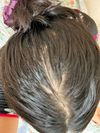
A 17-year-old experiencing aggressive hair loss since December 2023 is using finasteride, vitamin D, and a biotin supplement but cannot use minoxidil due to dandruff. They have also undergone two PRP treatments and are seeking further advice.
A user with PCOS experienced hair loss and found success using a triple dose of O.N.E Omega by Pure Encapsulations after discovering low Omega fatty acids. Biotin provided minimal improvement, but the Omega supplement significantly restored hair.
User wants to make homemade topical finasteride to minimize side effects and asks about using glycerin, stirring time, storage, and alternative solvents. Another user's comment is unclear.
A 19-year-old is experiencing hair thinning at the corners and some hair loss during sleep and washing. They are seeking advice on which treatment to start.
SCUBE3 and GT20029 are potential treatments for hair loss, with SCUBE3 stimulating hair growth and GT20029 protecting against DHT. A combined approach using SCUBE3, finasteride or dutasteride, and later GT20029 could provide a comprehensive treatment for androgenetic alopecia.
A dermatologist prescribed a topical hair loss treatment containing finasteride, biotin, melatonin, and caffeine without alcohol. The user is skeptical about its effectiveness.
RU58841 is being considered for hair maintenance by someone who can't tolerate finasteride. Alternatives like topical finasteride, dutasteride, and KX826 are also suggested.
A user ordered Alpha Plus from Anagenica, expecting it to contain specific percentages of Fin, Estradiol, Minoxidil, and CB0301. However, the received product's label showed different percentages, including a surprising 25% CB, leading the user to question its safety and accuracy.
Hair loss treatment should target dermal white adipose tissue (DWAT) to restore hair follicles. Potential remedies include tocopherol (vitamin E), botox, rosiglitazone, niacin, kojyl cinnamate esters, and ADP355.
Minoxidil's effectiveness varies due to differences in sulfotransferase enzyme levels in the scalp, affecting people with conditions like ASD, liver disease, and androgenic alopecia. Treatments like topical tretinoin, microneedling, and using minoxidil sulfate instead of regular minoxidil can improve results for those with low enzyme levels.
A 23-year-old woman with androgenetic alopecia (AGA) is using minoxidil, rosemary oil, and dermastamping for hair loss, and is concerned about the effectiveness of minoxidil. She follows a detailed hair care routine and takes supplements like inositol, magnesium, saw palmetto, iron, multivitamins, vitamin D, and B12.
The user "Venom7337" shared their progress with hair loss, mentioning the treatments they used: Dutasteride, Minoxidil, and Ketoconazole shampoo. They hope to see further improvement in hair density and hairline.
The user wants to reduce their dose of topical finasteride to 0.1-0.2mg and is considering mixing 0.2ml of their current finasteride + minoxidil serum with 0.8ml of a minoxidil-only serum for better scalp coverage. They are asking for advice on whether this method is effective or if there's a better way to dilute the finasteride solution.
The conversation discusses a topical formula for hair loss including Finasteride (0.025%), Minoxidil (0.5%), Tretinoin (0.01%), Caffeine (0.005%), Melatonin (0.003%), Tea Tree Oil (0.05%), Aloe (0.05%), Biotin (0.05%), and Fagron TrichoXidil (2.5%). The user considers removing Minoxidil and Tretinoin to test TrichoXidil's effectiveness.
The user applies a topical solution containing minoxidil, finasteride, dutasteride, retinoic acid, and hydrocortisone to address scalp inflammation and is considering adding cetirizine to the mix. They are calculating the correct amount of cetirizine to add to their formula and have paused this approach to retry oral minoxidil.
The user visited a trichologist due to ineffective topical finasteride treatment for hair loss. The trichologist recommended a new regimen including a two-month course of locoidon (cortisone 0.1%), followed by a solution containing minoxidil, hydrocortisone butirrate, estrone, progesterone, tocopherol acetate, trichosol, and transcutol.
A user made a 70/30 ethanol/propylene glycol topical finasteride solution but noticed chunks at the bottom. The discussion focuses on this issue with the DIY hair loss treatment.
The conversation is about starting a Discord group for people using KX-826 as their only treatment for hair loss, excluding those who are not serious or use multiple treatments. Someone agrees with the idea but mentions "GP :3," which is unclear.
The conversation discusses hair loss treatments, specifically using Minoxidil, finasteride, and RU58841. It also mentions the importance of raising vitamin D3 levels.
A 24-year-old woman with thinning hair is using Minoxidil, saw palmetto, biotin, rosemary oil, and ketoconazole. She seeks advice on whether to try finasteride or dutasteride, the effects of Minoxidil shedding, and the significance of her hair follicle condition.
The conversation discusses using ecklonia cava as a natural alternative to finasteride for hair loss. Users share their experiences and opinions on its effectiveness.
A 47-year-old male experienced significant hair loss after losing 37 kg in 6 months on a low-carb diet and started taking biotin, zinc, iron, selenium, and spectral dcn-n. Replies suggest that while carbs are not directly needed for hair growth, they help regulate hormones and nutrient absorption, and rapid weight loss can also contribute to hair loss.
The conversation discusses using Morr F Aqua, an alcohol-free version of Minoxidil, for hair loss, particularly for someone with dandruff issues. The user is considering if this product is suitable for their condition.
A 20-year-old is using finasteride, minoxidil, biotin supplements, and ketoconazole shampoo for hair loss but is disheartened by the lack of progress. A user suggests using fewer treatments and being cautious with ketoconazole in winter.
The conversation is about alternative measures for hair regrowth for those who did not respond to finasteride or dutasteride, including the use of minoxidil and addressing vitamin deficiencies through blood tests.
A user is documenting their natural approach to treating a receding hairline using a dermastamp, essential oils (rosemary oil at 3% dilution with pumpkin seed oil), a multivitamin with vitamin D, and daily collagen shakes. They acknowledge the common recommendations of minoxidil and finasteride but prefer to test natural methods and share their results.