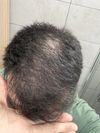
A 23-year-old experiencing hair loss tried olive oil, coconut oil, and hair growth shampoos without success. They are seeking advice on whether to start treatments like Minoxidil, finasteride, or RU58841.
A 30-year-old male using finasteride for hair loss has high testosterone and estrogen levels but no side effects. He is advised to monitor hormone levels, consider dietary changes, and use additional treatments like vitamin D3, minoxidil, and dutasteride for hair growth.
A 23-year-old male is experiencing rapid hair loss and was prescribed a topical treatment of finasteride and testosterone replacement therapy (TRT) by a dermatologist. He seeks opinions on the effectiveness of this treatment and its cost, as well as alternative options.
The user experienced sexual side effects after starting finasteride and later switched to dutasteride, noticing hormonal changes. They are considering using P5P and possibly aromatase inhibitors to manage high prolactin and estradiol levels.
A 21-year-old male with a thyroid condition noticed his hair thinning uniformly without a receding hairline. He is considering using a 5ARI to prevent further baldness if he starts TRT.
Bicalutamide blocks androgen receptors, preventing testosterone and DHT from binding, which can help with hair loss but may cause feminization. It is not recommended for those who do not want feminization effects.
The user experienced high estradiol levels after using topical finasteride at 0.1 mg/day, which normalized after discontinuation. They are questioning if this low dosage could significantly impact hormone levels.
The efficacy of degrading the androgen receptor through dermal application in DP cells, a delivery system for topical drugs that involves dissolving microneedles, and rosemary oil as an alternative anti-androgen.
The user is starting dutasteride mesotherapy and seeks information on checking serum DHT levels in Germany. They previously tried finasteride but experienced unpleasant side effects.
A user experienced accelerated hairline recession after adding dutasteride to their regimen of topical finasteride and minoxidil, despite reduced hair shedding. They were informed that ELISA testing for DHT levels can be highly inaccurate.
Dutasteride may affect testosterone levels, leading to high ferritin and iron levels, which can cause hair loss. High ferritin might be linked to past heavy drinking or hemochromatosis.
Finasteride, Minoxidil, Bioneer CosmeRNA, Technoderma, Kintor, Hope, Breezula, and Follicum treatments showed increases in hair count, with Technoderma showing the highest increase at 24.3 hairs/cm². Amplifica has not yet published results.
The user had high DHT levels after 8 months on dutasteride, questioning the drug's authenticity. They got dutasteride from a legitimate source and will update on progress.
The user has androgenetic alopecia (AGA) and low Vitamin D levels, and they started using topical minoxidil (5%). They are considering finasteride but are concerned about side effects and are advised to seek mental health support.
Switching from finasteride to dutasteride and back to finasteride led to gynecomastia and fatigue, likely due to hormonal imbalances. Suggested treatments include Tamoxifen, Raloxifene, or low-dose Anastrozole, with a recommendation to test testosterone and estradiol levels.
Hair loss treatments Fin and Minoxidil failed for user. Suggested alternatives are 75mg oral spiro and RU58841, but concerns about low testosterone and self-esteem were raised.
The user has been using finasteride for 15 months, minoxidil for 4.5 months, and estrogen monotherapy for 4.5 months. Their current regimen includes finasteride, minoxidil, alfatradiol, and estradiol gel.
The user shared their experience with dutasteride for hair loss prevention, noting side effects like muscle weakness and brain fog, and observed increased testosterone levels. They recommend starting with a low dose and adjusting based on individual needs and blood work results.
The conversation discusses the ineffectiveness of tablet forms of dutasteride for hair loss due to poor absorption compared to soft gel capsules. It suggests switching to FDA-approved soft gel capsules for better results, as tablets may not adequately suppress DHT levels.
A user in the UK seeks advice on blood tests before starting Finasteride and Minoxidil for hair loss. Recommended tests include thyroid function, hormone levels, liver and kidney function, and vitamin and mineral levels.
A 31-year-old man has been using Dutasteride since 2022, alongside topical Minoxidil, with positive results and no issues. His new healthcare provider expressed concerns about long-term Dutasteride use and suggested alternatives like oral Minoxidil and Spironolactone, but the patient is hesitant to change a successful routine.
The user experienced significant hair regrowth using topical Minoxidil and Finasteride, along with Saw Palmetto and volumizing shampoo. They are considering a hair transplant in the future if needed.
A 35-year-old is seeking advice on hair loss treatments, considering minoxidil, finasteride, and possibly a hair transplant in Turkey. They have previously tried microneedling for a year.
Creatine does not cause or worsen hair loss, despite some anecdotal reports of hair thinning. The discussion emphasizes that these reports are not supported by scientific evidence.
The user has been using Dutasteride (Avodart) 0.5 mg since June 2023 to combat hair thinning, experiencing initial side effects but no significant hair regrowth. They seek advice on improving or thickening their hair further.
Creating custom topical treatments for hair loss using minoxidil, finasteride, and RU58841. It includes recipes and instructions for home preparation, focusing on cost savings and customization.
Dutasteride is preferred over finasteride for hair loss due to fewer side effects. Combining dutasteride with minoxidil and RU58841 is effective for hair regrowth, even during steroid use.
A user stopped oral finasteride after 7 years due to decreased libido and switched to topical finasteride and minoxidil. Others shared similar experiences and discussed alternatives like dutasteride and topical treatments.
PP405 is expected to be available in 2028, with ongoing discussions about its timeline and potential effectiveness. Current treatments mentioned include sublingual Minoxidil and Vederamicd, with some users experiencing side effects from oral Minoxidil.