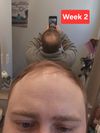
The user experienced significant hair regrowth after using finasteride, minoxidil, and derma stamping, despite an initial heavy shedding phase. They also take omega-3, zinc, biotin, and folic acid daily, and report improved confidence and hair strength.
The user is experiencing gradual hair growth using 5% minoxidil, 0.01% finasteride, vitamins, capixyl serum, niacin, and weekly microneedling, with plans to increase finasteride dosage. Despite some side effects, they remain optimistic about hair transplant results, focusing on the crown and temples.
The user recommends washing hair twice daily with glycerin soap, using finasteride and minoxidil, avoiding cigarettes and alcohol, and maintaining a diet rich in fruits and vegetables. They claim these methods have significantly improved their hair health over 25 years.
An 18-year-old diagnosed with male pattern baldness is using probiotics, saw palmetto, pumpkin seed oil, soy isoflavones, biotin, fish oil, quercetin, a multivitamin, and ketoconazole shampoo. Replies suggest these methods are ineffective and recommend finasteride, minoxidil, and a derma roller.
The user is concerned about hair loss despite taking finasteride and has a hair transplant scheduled. They experience scalp itching and burning, which hasn't been relieved by various treatments, and another user suggests using ghk-cu & ahk-cu serum and Koshine kx-826/pyrilutamide for relief.
A 35-year-old shared a 2-month update on their hair transplant of 3153 grafts, noting redness, itching, and some pimples, while using finasteride for over 12 years to maintain hair. Users discussed the effectiveness and timing of starting finasteride, with some suggesting consulting a doctor for young individuals considering the treatment.
The conversation discusses using liquid cetirizine as a topical treatment for hair loss. It mentions Minoxidil, finasteride, and RU58841 as other treatments.
A user's journey with hair loss and their use of topical finasteride, minoxidil and pyri/minoxidil ratio treatments to attempt hair regrowth. Replies focused on offering support and advice while sharing personal experiences with different treatments.
The conversation discusses managing hair loss and seborrheic dermatitis with treatments like minoxidil, finasteride, and saw palmetto, emphasizing the importance of scalp health and DHT reduction. The user shares personal experiences and suggests a balanced approach, combining topical treatments and lifestyle changes for effective hair regrowth.
Hair loss treatments discussed include Minoxidil, Finasteride, microneedling, red light therapy, and biotin pills. The most proven treatments are Minoxidil, Finasteride, and microneedling, while other methods are considered less effective or satirical.
The user recommends using Regenepure (keto shampoo), Lipogaine (minoxidil), and NatureMade Biotin pills for hair loss treatment and advises against taking finasteride (propecia) without considering potential side effects. They share their own experience with these treatments and suggest reading about both the benefits and risks before deciding on finasteride.
A user shared a DIY recipe for a NutraKos-style amino acid mix as a cost-effective alternative to the expensive product, suggesting it as a complementary supplement for hair loss. Another user argued that proven treatments like finasteride and minoxidil are more reliable, questioning the efficacy of the amino acid mix.
The user "Zealousideal-Pack340" shared their 5-month results on a natural hair loss treatment protocol, which included massages, vitamins, green tea, and pumpkin seeds. Some users suggested using medications like finasteride and minoxidil for better results, while others criticized the effectiveness of natural remedies. Overall, there was no clear consensus on the progress of the user's hair regrowth.
The user has been using minoxidil daily, finasteride three times a week, and ketoconazole 1-3 times a week for a year to treat hair loss, resulting in noticeable hair regrowth at the hairline and temples, with minor side effects like itching and dandruff. They started with minoxidil a month before the other treatments and experienced an initial shedding phase for about six weeks.
A healthy scalp barrier is crucial for hair growth, and ceramides may play a key role in maintaining it. The conversation suggests that focusing on scalp health, alongside treatments like Minoxidil, Finasteride, and RU58841, could improve hair follicle health.
Hair regrowth after telogen effluvium, with the user experiencing hair loss at the temples and regrowth after taking omega-3/fish oil tablets. Suggestions include consulting a dermatologist and considering supplements like Biotin, Zinc, and Vitamin D.
A user shared their hair regrowth journey using Minoxidil, Finasteride, Biotin, and B-Complex, along with exercise, resulting in significant hair and facial hair growth. Others in the conversation expressed encouragement and shared similar experiences.
A user is starting a hair loss treatment with a 3-in-1 spray containing finasteride, minoxidil, and tretinoin. They are concerned about whether to continue shaving their head and how to determine if hair follicles are dead.
The user shared their experience with various hair loss treatments, including Kirkland Minoxidil Foam, Happy Head Topical Fin and Min, Locklab, Ro Mane Spray, and plans to try Happy Head 10 in 1 serum. They found Happy Head Fin and Min effective for crown regrowth but are considering switching to Ro Mane or the new Happy Head serum for less greasiness and staining.
The user is experiencing hair loss and has tried various treatments including topical and oral finasteride, minoxidil, dutasteride, and ketoconazole, but continues to lose hair. They are considering alternative solutions like hair systems due to the lack of improvement and a scalp condition called CVG.
OP seeks advice on alternative hair loss treatments like Redensyl, Capixyl, and Procapil, instead of lifelong Minoxidil and Finasteride. Users suggest hair transplants and discuss the potential future availability of better treatments.
A 46-year-old shared their successful hair regrowth journey using topical minoxidil, oral finasteride, ketoconazole shampoo, oral minoxidil, and head massages with lavender and peppermint oil, with noticeable improvement and no significant side effects except for darker eyelashes. They encourage others to try these treatments.
A user is trying to reverse hair loss using vitamins E and D, jojoba oil, rosemary oil, peppermint oil, and microneedling, avoiding finasteride and minoxidil. They plan to use Alpecin shampoo and will provide updates on the effectiveness of this regimen.
PP405 is discussed as a potential treatment for hair loss, with excitement about its promise but skepticism about its current effectiveness. Users mention combining it with treatments like minoxidil, finasteride, and microneedling, but emphasize it is not a cure.
User discusses potential hair loss treatment SCUBE3 and shares mixed opinions on its effectiveness. One user reports positive results after applying SCUBE3 following microneedling.
The conversation is about hair loss treatments, specifically discussing the effectiveness of shampoos with Minoxidil and DHT-blocking properties. Users suggest using Minoxidil, tretinoin, and microneedling for hair regrowth, while recommending ketoconazole shampoo for scalp health.
The conversation discusses hair loss treatments, specifically Minoxidil, finasteride, and RU58841. Users are curious about the effectiveness of products from Rokchem.co.uk.
A user is considering using Amazon Clinics for a hair loss treatment consultation to get finasteride for a receding hairline, noting it's cheaper than other options. Another user confirms that finasteride is not too expensive and suggests going for the cheapest option since it's a lifelong treatment.