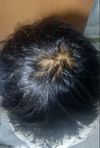
Silicone-based shampoos and conditioners may leave a layer on the scalp that could affect the absorption of topical hair loss treatments like Fluridil. The user is considering switching to silicone products to manage frizzy hair but is concerned about this potential issue.
The user is considering switching from topical finasteride to RU58841 or KX826 due to side effects like low libido and ED. They are also using oral minoxidil and considering low-dose saw palmetto to maintain their hairline.
The user is considering storing Fluridil in a different container for easier application and asks if it can be mixed with Minoxidil or if hair styling products will affect its potency. They also inquire about the order and timing of applying these hair loss treatments.
A user shared their one-year progress using finasteride and minoxidil for hair loss, showing significant improvement. They also mentioned using the medication inconsistently and considering changes to their shampoo routine.
Clascoterone (Breezula) showed positive results for treating hair loss without affecting cortisol levels. Opinions vary, with some users optimistic about its potential and others critical of its effectiveness compared to existing treatments like finasteride.
The user spends around 200€ monthly on hair loss treatments, including Kx826, Alfatradiol, Minoxidil, Nizoral Shampoo, Stemoxydine, Tretinoin, and a Dermastamp. The total cost is approximately 220$.
A user improved their hair loss from NW3+ to NW1.5 over three years using a regimen of dutasteride, finasteride, Nizoral, biotin, and collagen. They experienced some side effects and adjusted dosages over time, and noted additional benefits like better skin and muscle gain.
A 22-year-old has been treating hair loss with 1mg finasteride daily, 5% minoxidil nightly, and 0.1% tretinoin nightly for three months, noticing improvements in hair quality. Progress pictures show changes a month apart, starting before treatment.
After 8 months of using topical finasteride, hair miniaturization continues, raising concerns about its effectiveness. Microneedling is suggested as a possible complementary treatment.
MinoxidilMax stopped selling topical finasteride products, leaving users to seek alternatives like Morr-5 from other sources. The user expressed concern about switching products and potentially losing hair regrowth progress.
A user's one-year progress in hair loss treatment using finasteride and minoxidil. The user shared their experience and advice, including adjusting the amount of sprays used based on individual needs and the importance of patience and positivity in the process.
PP405 is discussed as a potential hair loss treatment, but its effectiveness and safety are uncertain. Some users express skepticism, while others are hopeful, comparing it to existing treatments like Minoxidil and Finasteride.
The conversation is about whether to split 1mg finasteride pills to take 0.5mg daily or take 1mg every other day to save money and reduce side effects. There are concerns about the effectiveness of splitting due to the pill's coating and alternating due to its half-life.
Switching from 1mg finasteride to dutasteride, with users recommending starting at 0.5mg daily. Some users prefer capsules, while others use tablets, citing effectiveness and regulatory approval in Asia.
A user who is using Pyrilutamide, Finasteride, and a homemade topical solution to treat their hair loss. Replies mentioned the potential of Pyrilutamide being a "cure" for hair loss and a reminder that results may not be credited solely to it.
User shared 7-month progress of hair loss treatment, using daily 1mg Fin, 2x Min, monthly micro-needling, and ketocoz shampoo. They advise focusing on haircare, diet, and mental health after establishing a routine.
The user switched from finasteride to dutasteride for hair loss and noticed elevated cholesterol levels, questioning if dutasteride caused this change. They also take Vitamin D, biotin, magnesium, ginkgo biloba, omega-3, and NAC, and are concerned about the impact of these supplements and their health on cholesterol levels.
The user experienced dryness and shedding with topical minoxidil and switched to oral minoxidil 2.5mg, seeking advice on what to expect. They are concerned about scalp health and looking for others' experiences with this change.
A 29-year-old male experienced hair regrowth using minoxidil 5% foam and KX826 after stopping finasteride due to side effects. He applies both treatments once daily and reports no side effects from the current regimen.
A 25-year-old male switched from multiple topicals to finasteride and minoxidil for hair loss, experiencing maintenance and increased confidence despite minor side effects. He now styles his hair freely and appreciates the positive impact of finasteride.
A user is considering switching from regular 5% minoxidil foam to a compounded 5% minoxidil spray with added caffeine, melatonin, and tretinoin for easier application and potentially better results. Another user mentions that tretinoin can enhance minoxidil's effectiveness by converting it to its active form.
The conversation is about hair loss treatments, specifically the use of 1 mg finasteride and 1.5 mg oral minoxidil over two years, with consideration of a future hair transplant and possibly switching to dutasteride. Users discuss their own experiences and suggest trying different treatments like minoxidil 5%.
Gamebread2000's progress with using finasteride and minoxidil to treat hair loss, which resulted in improved confidence and appearance. Other participants shared their positive reactions at the results.
A female user is using a 5% RU58841 solution with 5 sprays daily and is concerned about potential reactions and the impact of wearing a bonnet. A male user mentioned using 1ml of the same solution daily via dropper.