The conversation is about recommending a biotin supplement that includes saw palmetto and possibly copper for hair loss. The user is seeking suggestions for these specific ingredients.
The user has been treating hair loss for 7 months using a combination of pyrilutamide, a topical mix of finasteride and minoxidil, microneedling, a topical mix of GHK-Cu and minoxidil, ketoconazole shampoo, fish collagen peptides, zinc, and vitamin D3. Another user suggests that continuous small improvements could lead to significant hair regrowth over time.
Topical roflumilast is effective for reducing inflammation in various scalp conditions like seborrheic dermatitis, psoriasis, and eczema, but not proven to stop scarring alopecia. Alternatives like apremilast and Vtama are also discussed for their anti-inflammatory benefits.
The user is considering switching from a topical minoxidil and finasteride solution to oral minoxidil to improve hair growth, while maintaining oral finasteride. They are concerned about potential shedding and whether they can maintain any new growth.
Switching milk brands cleared scalp inflammation and other symptoms, but hair shedding continues. The user hopes shedding will stop as hair cycles progress.
Cetirizine 10mg daily reduced hair shedding by 50% and lessened scalp itchiness. The user is considering long-term use for scalp inflammation and hair loss.
A user is seeking recommendations for dermatologists or hair clinics in the Greater Sacramento or Bay Area for exosome treatments, comparing topical application plus microneedling versus direct scalp injections. They are also asking for personal experiences and before-and-after photos.
Personal experience with Procyanidin B2 shows it's ineffective for hair loss. Viviscal Pro supplement tablets, containing Procyanidin B2, didn't help after 8 months of use.
A user is treating their advanced hair loss with a regimen including topical finasteride, minoxidil, hydrocortisone, stem cell serum, peptide serum, multivitamins, he shou wu tea, derma pen, argan oil, and a derma roller. Replies suggest it's too early to judge progress and recommend staying consistent, with one suggesting oral minoxidil as an additional option.
Reducing the dose of Pyrilutamide from 5mg to 2.5mg may still maintain hair loss results, but effectiveness can vary. Users discuss the cost and dosage implications, with some cautioning against reducing the dose due to its dose-dependent nature.
The user has been using finasteride, minoxidil, and a derma stamp for 3 months with significant improvement. They are now adding ketoconazole to their routine.
The conversation is about obtaining alfatradiol in Canada, specifically in Quebec, and whether it requires a prescription or can be bought online. A user suggests ordering it from a specific website.
User shared 12-month hair loss progress using oral minoxidil, oral dutasteride, and 2% ketoconazole shampoo. They detailed their medication regimen and dosages.
A 42-year-old man's two-month hair loss treatment progress using topical finasteride, oral minoxidil, microneedling, and keto shampoo. He noticed improvements, including new hair growth, despite minor side effects like mild ache and increased libido initially.
A user is considering using compounded Minoxidil with Tretinoin from Medical Wellness Center to improve hair growth. They are also curious about the effects of higher Minoxidil doses and adding Tretinoin to their regimen.
Soy consumption may help prevent androgenic alopecia, but it can decrease sexual drive in some men. There is a connection between soy and androgenic alopecia, suggesting a potential protective effect.
A 78-year-old man regrew hair after suffering burns, suggesting that injury-induced healing processes might trigger hair growth. Microneedling and other treatments like minoxidil and finasteride are discussed as potential methods to stimulate similar regrowth.
The user experienced a sudden decrease in hair density after starting alfatradiol while already using finasteride. Another user mentioned that initial shedding can occur with hair loss treatments, but it may not last long.
Rice water was used as a hair treatment and showed noticeable results in a week, more than finasteride used for seven months. The user plans to continue using rice water and might stop finasteride, while still using ketoconazole for dandruff.
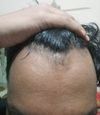
A user is concerned that using rosemary oil after microneedling might cause gynaecomastia due to increased absorption and potential DHT blocking. Other users believe rosemary oil is unlikely to affect hormones or cause gynaecomastia.
Switching from 2% liquid minoxidil to 5% foam minoxidil reduced scalp irritation but increased eyebrow flakiness and thinning. The user speculates that propylene glycol in the liquid formulation might have been protecting against seborrheic dermatitis while causing contact dermatitis.
The conversation discusses using Actifolic tretinoin to enhance the absorption of Minoxidil for hair loss treatment. It questions the amount of tretinoin to use and whether to apply it before or after Minoxidil.
This conversation is about "TheReedThomy's" 12-month long hair loss treatment regimen which includes finasteride, minoxidil, microneedling, nizoral, vitamins, and lifestyle changes. Other users have commented to congratulate him on his progress and ask questions about his results.
Adding caffeine to topical minoxidil is unlikely to enhance its effectiveness, with most users agreeing it has minimal impact. The main treatments discussed are minoxidil and finasteride, with some users adding other ingredients like azelaic acid and retinol.
The user has been using minoxidil daily, finasteride three times a week, and ketoconazole 1-3 times a week for a year to treat hair loss, resulting in noticeable hair regrowth at the hairline and temples, with minor side effects like itching and dandruff. They started with minoxidil a month before the other treatments and experienced an initial shedding phase for about six weeks.
The user is using 2.5mg oral Minoxidil, rosemary mint oil, scalp massaging, a derma roller, multivitamins, and hair vitamins for hair regrowth. They are considering adding pumpkin seed oil, a derma pen, and saw palmetto vitamins, and are advised to consider finasteride.
OP shares their experience with PCOS-related hair loss, highlighting that addressing vitamin D and ferritin deficiencies, managing hormones with spironolactone, and using gentle hair care products helped improve their condition. They advise against relying on "miracle" hair oils and emphasize the importance of medical evaluation and a combined approach to treatment.
The conversation is about a user experiencing accelerated hair loss after starting vitamin D3 supplements, suspecting a link between the supplement and increased DHT levels. The user decides to stop taking the supplements, preferring natural sources of vitamin D.