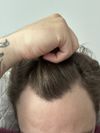
Managing seborrheic dermatitis using ketoconazole shampoo, Nizoral, and oils like MCT and coconut oil. The user considers shaving their head and consulting a dermatologist.
Kintor apologized for using misleading images in their advertisements and promised stricter review processes. They are also considering developing a topical dutasteride formulation.
The conversation discusses experimenting with Sandalore for hair loss and concerns about its authenticity compared to sandalwood oil. Minoxidil, finasteride, and RU58841 are also mentioned as treatments.
User suggests finding unknown baldness cure by applying random items on scalp and reporting results after 6 months. Various users humorously agree to try different substances, including whale sperm and hydrochloric acid.
The user reduced their finasteride dosage from 1.25mg to 1mg and experienced scalp burning and itching. They are concerned about potential hair loss and are seeking advice from others who have made similar dosage changes.
The post discusses the use of El-Cranell, which contains Alfatradiol, and Quercetin as a treatment for hair loss. The user is seeking recommendations on the amount of Quercetin to add to the solution. The conclusion of the document is that Quercetin has been shown to stimulate hair growth and inhibit DHT, and combining it with zinc/copper may have a synergistic effect.
The conversation is about using melatonin for hair loss, with users discussing different products and methods for topical application. They mention concerns about ingredients and cost, and one user suggests a magnesium scalp serum with melatonin.
The conversation is about using topical melatonin for hair loss and seeking advice on a safe mixing solution or pre-mixed product. Specific treatments mentioned are minoxidil, finasteride, and RU58841.
The conversation is about the effectiveness of Minoxidil formulations with different alcohol and propylene glycol (pg) ratios. The user finds that a formulation with 20% pg and 80% ethanol dries faster but is concerned about absorption time.
The conversation discusses the potential benefits of adding Vitamin B6 (P-5-P) to topical hair loss treatments like RU58841, finasteride, or minoxidil. The user suggests that Vitamin B6 might enhance these treatments by naturally lowering scalp prolactin.
The user experienced severe scalp issues and hair loss after using ketoconazole shampoo, which worsened despite various treatments. They seek advice on restoring scalp health, suspecting an allergic reaction or imbalance caused by the shampoo.
Mixing retinol, rosemary oil, and minoxidil on the scalp may cause burning but no significant damage is mentioned. Another user plans to use peppermint oil instead of minoxidil due to its side effects.
KX-826/pyrilutamide is undergoing an additional one-year safety and efficacy trial in China after a six-month study. Some participants speculate on the reasons for the extended trial and discuss the potential of other treatments.
The conversation is about adding crushed bicalutamide or spironolactone to a topical mix with finasteride and minoxidil to suppress testosterone in hair follicles, similar to what RU58841 does. The user cannot obtain RU58841 in their country and is seeking advice on this alternative approach for hair loss treatment.
User is using rosemary oil and castor oil for hair loss, alongside 1mg finasteride for the past 7 months. They find castor oil difficult to apply due to its thick texture and are seeking advice on whether to dilute it.
The user has been using MinoxidilMax Latanoprost 0.01% and noticed an increase in hair density after years of stability on finasteride and minoxidil. They are seeking help to find a higher dosage of Latanoprost or a reliable source to purchase the powder to make their own, without a prescription or high cost.
The user is experiencing hair loss and plans to use a treatment protocol including Saw Palmetto Berries, MCT Oil, Zinc, testosterone balancers, L-tyrosine, and L-theanine. They also use a specific dandruff shampoo and are open to non-prescription treatments.
Pyrilutamide/KX-826 is being considered as a potential treatment for female androgenetic alopecia (AGA), but its high cost and limited data on effectiveness are concerns. Kintor markets it for both men and women.
Mometasone Furoate Topical Solution 0.1% is used for hair loss, applied after showering and massaged into the damp scalp. The user is seeking information on its effectiveness for hair loss.
The user is considering switching between topical minoxidil (10%) and oral minoxidil (2.5mg) to manage hair shedding around the temples, while also using a dermaroller and biotin. They are concerned about the potential side effects of oral minoxidil, such as hypertrichosis, and the impact on hair shedding if they stop using it.
A user has been losing hair for two and a half years after a tropical trip and illness. A dermatologist prescribed betamethasone valerate 0.1% lotion, but the user is unsure if it's safe or effective for general hair loss.
The conversation is about the effectiveness of using less than 20mg of RU58841, specifically 12.5mg, for hair loss treatment. People are discussing their experiences with different dosages of RU58841.
Treatments for hair loss, such as topical minoxidil, platelet-rich plasma therapy with or without minoxidil, ketoconazole, non-abative radio frequency, natural products, finasteride and cortexolone 17 alpha propionate. The post evaluates the efficacy and safety of these treatments in various studies.
A 17-year-old with AGA is considering Revitacare Haircare Mesotherapy, which includes hyaluronic acid, amino acids, zinc, and B vitamins, injected into the scalp. One reply dismisses it as ineffective.
The conversation discusses the lack of experiments combining verteporfin and microneedling for hair loss treatment. The user expresses interest in participating in a group buy to try this method.
A user is experimenting with creating a DIY oral Dutasteride solution using raw powder, MCT oil, and Vitamin E to reduce costs. Others discuss their experiences with similar methods and the challenges of sourcing and testing Dutasteride.