Hair loss and potential treatments, primarily focusing on Finasteride and Minoxidil. Other solutions discussed include PRP, dermarolling, LLP, and scalp tension relief.
Dutasteride reduces DHT more effectively in hair follicles than finasteride, but some individuals still experience hair loss despite treatment. Combining oral and topical finasteride may improve results, and some users experiment with topical dutasteride despite uncertainties about its absorption.
Stem cell therapy shows promise in treating hair loss by mimicking DHT-resistant cells from the back of the head. Traditional treatments like finasteride are also discussed, but stem cells could potentially offer a more permanent solution.
Clascoterone 5% solution shows strong potential for hair growth, offering a new treatment for alopecia with minimal side effects. It blocks androgen receptors locally and may be available by late 2026 or early 2027.
A user shares their positive experience of embracing baldness, noting increased attractiveness and dating success after shaving their head. They encourage others to consider going bald instead of relying on medications like Minoxidil, finasteride, or RU58841.
The conversation humorously discusses using finasteride to combat hair loss, referencing "Dune" themes. Users agree that finasteride is essential for maintaining hair.
A user proposed genetically engineering scalp stem cells to stop androgen receptors from causing hair loss. Others discussed the feasibility, existing research, and potential issues with this approach, including targeting the correct cells and unintended effects.
The user had a hair transplant with 2000 grafts in the frontal and mid-scalp areas and has been using finasteride and minoxidil for 3 months. The crown area is expected to improve with continued treatment, and results are generally positive so far.
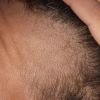
A user shared their 3-month progress using oral finasteride, topical minoxidil, and dermarolling for hair loss. Other users commented on the impressive results and asked questions about the treatments.
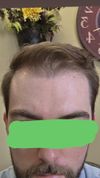
The user noticed temple recession and front thinning. Their treatment includes microneedling, topical minoxidil and finasteride, biotin, zinc, selenium, vitamin D3, rosemary oil, and specific shampoos.
The conversation is about applying tretinoin on the scalp for hair loss, with tips on mixing it with minoxidil foam and using a thin layer to avoid flaking and dryness. Suggestions include exfoliating with rosemary or coconut oil and wearing a hat for sun protection.
A Silicon Valley-backed company aims to cure hair loss. Exciting advancements include mRNA therapies, gene editing, hair cloning, AR degraders, anti-androgens, cell-based rejuvenation, and AI-based drug discovery, with hopes for FDA approval of GT20029 within 10 years.
Clascoterone has shown promising results in increasing hair density without systemic side effects, potentially offering benefits similar to finasteride. There is skepticism due to the lack of published photos despite the market interest.
Betacarotene's effect on hair loss is discussed, with concerns about excessive vitamin A. The user also questions if 15mg melatonin impacts vitamin A levels.
The conversation is about identifying ingredients in a scalp serum and their effects on DHT levels. The serum contains various ingredients like Aqua, Biotin, and Oleanolic Acid.
The conversation discusses the emotional impact of early hair loss in men, with many feeling isolated and self-conscious. Some users also mention the lack of awareness about potential treatments like Minoxidil and Finasteride.
The conversation is about someone using finasteride and minoxidil along with microneedling as a treatment for hair loss, and there's a mention of scalp tattooing as an alternative or additional approach. Some responses mock the approach, while others inquire about the specifics of the treatment and its effectiveness.
The user is pleased with their hair transplant results but is concerned about the vertex area. They use Minoxidil and finasteride daily and had the procedure at a clinic in Athens.
A 31-year-old male seeks advice on reversing crown and hairline baldness. Recommendations include using finasteride or dutasteride, minoxidil, microneedling, and ketoconazole shampoo.
The user was prescribed 0.3% topical finasteride with 5% minoxidil for use on the temples twice daily, while continuing minoxidil on the full scalp. Replies suggested using the treatment once daily and questioned the logic of treating only the temples, with one suggesting dilution for use across the entire scalp.
PTD-DBM is being explored for hair regrowth by targeting CXXC5, with clinical trials expected after pre-clinical studies. Users express anticipation and skepticism about its effectiveness.
The conversation is about hair loss and the effectiveness of treatments like finasteride, with one user expressing satisfaction after seeing hair regrowth on CCTV. Other users share their experiences with hair visibility and discuss the effectiveness of finasteride compared to dutasteride.
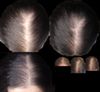
A user shared progress pictures after 8 months of finasteride, 2 months of minoxidil, and 2 months of vitamin D. The post shows significant hair improvement despite some light differences in the photos.
Dutasteride may be better for the brain than Finasteride, potentially increasing dopamine levels and causing fewer side effects. For those switching from Finasteride to Dutasteride to prevent hair loss, it's recommended to continue Finasteride for 3-4 months while starting Dutasteride to avoid shedding due to Dutasteride's long half-life.
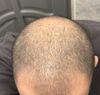
A user shared their 3.5-year hair loss treatment journey using finasteride and minoxidil, showing significant hair density improvement and no noticeable side effects. The user also mentioned the confidence boost from shaving their head and the positive impact of the treatments.
The conversation is about men discussing their experiences with hair loss and their acceptance or resistance to it, mentioning treatments like finasteride and hair transplants. Some users express hope to maintain their hair while young, while others have accepted baldness or found confidence after shaving their heads.
Verteporfin and FAK inhibitors being looked at as potential treatments for hair regeneration, with updates on the unofficial off-label human trial being discussed.
A 19-year-old male shared progress pictures showing hair regrowth on his scalp after starting a treatment with Minoxidil and Finasteride on November 24th. He noted improved hair texture and a halt in hair shedding for the past two weeks.