Search
for
Sort by
Community Join
810-840 / 1000+ resultscommunity Had a hair transplant with Dr. Feriduni - 6850 grafts (6000 from scalp, 850 from chest/beard)
A user had two hair transplant surgeries, using a total of 6850 grafts from the scalp, beard, and chest, costing around $20,000 USD, and is happy with the results, though the crown may not be as dense as the hairline. They experienced no scarring from the donor areas and noted that transplanted beard and chest hair are thicker and curlier.
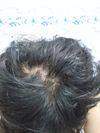
community 23M Experiencing Thinning at Crown/Mid Area; Minoxidil for 1 Month, Considering Finasteride
A 23-year-old is experiencing hair thinning at the crown and mid part, possibly due to vaping, and is using minoxidil, derma rolling, PRGF sessions, rosemary oil, ketoconazole shampoo, and vitamin D3 supplements. They are considering adding finasteride but are concerned about its side effects.
community DHT Itch is real. The connection between Acne and Male Pattern Baldness shows this
The conversation discusses the link between seborrheic dermatitis, acne, and male pattern baldness, suggesting that DHT may cause both skin conditions and hair loss. Treatments mentioned include RU58841, finasteride, dutasteride, minoxidil, Nizoral shampoo, and other topical anti-androgens.
community Diminishing returns after 1.25mg of oral Minoxidil
community Why is human evolution like this 😂
Why androgenic alopecia affects the scalp rather than other body parts, potential explanations for this phenomenon, treatments available to combat hair loss, and the implications of male attractiveness in modern society.
community How to make 0.025% topical Fin solution using Finastride pills.

community If You Have DUPA, PLEASE READ THIS: Everyone Should Be Scalp Biopsied
Scalp biopsies are crucial for diagnosing hair loss conditions like Diffuse Unpatterned Alopecia (DUPA) and retrograde hair loss, as treatments like finasteride and dutasteride may not be effective if other conditions are present. Combining PPAR-GAMMA agonists with retinoids could improve treatments for conditions like Lichen Planopilaris.
community Anyone used Topical Calcipotriol (cream) or VPA ( Valproic Acid)
The conversation discusses using topical Calcipotriol and Valproic Acid for hair loss, focusing on their mechanisms involving the VDR receptor and Wnt/beta-catenin pathway. Specific treatments mentioned are Minoxidil, Finasteride, and RU58841.
community 4 months into topical minoxidil+fin solution
community How do you distinguish miniaturised hairs from velus hairs regrowing from dormant follicles around temples?
The conversation discusses difficulty in distinguishing between new hair growth and thinning hair at the temples after using microneedling and a rosemary peppermint topical for four weeks. The advice given is to wait a few months to see if the hairs grow out to determine their nature.
community 10 month hair transplant update - 6100 grafts
After 10 months, the user's hairline and midscalp look thick following a 6100 graft FUE hair transplant in Turkey. They plan to address the crown in a few months.
community Do hair follicles dies or are dormant ?
Hair follicles can be dormant and potentially revived with treatments like finasteride and minoxidil, but irreversible loss occurs if certain structures are destroyed. Early intervention is more effective, and additional methods like microneedling may help.
community Stemson Therapeutics and hair cloning pipeline
The conversation discusses the progress and potential of hair cloning by Stemson Therapeutics, questioning if it will be realized in the next 5-10 years or if it's just false hope. Specific treatments mentioned include Minoxidil, finasteride, and RU58841.
community Tomorrow is my second Hair Trasplant. Wish me luck, bros.
community Min + fin + dermastamp + botanical
The conversation discusses using minoxidil, finasteride, a dermastamp, and botanical oils like peppermint, rosemary, and pumpkin seed oil for hair growth. The user is considering using Alpha Infuse, which combines microneedling with plant oils, to enhance results.
community cheapest and best low level laser therapy device
The conversation is about finding an affordable and effective low level laser therapy device for hair loss, with a preference for a cap but open to a comb.
community Clinical Trial: Clascoterone (Cortexolone 17A-Propionate)
A user is joining a clinical trial for Clascoterone, a drug approved for acne but being tested for hair loss. They previously tried finasteride with limited success and plan to share updates on their experience with the new treatment.
community How to layer multiple topicals? (tretinoin, topical min, topical fin)
The user plans to use a combination of tretinoin, topical minoxidil, and topical finasteride for hair loss treatment. They seek advice on application order, timing, and tretinoin dosage.
community The crazy thing with diffuse thinning is one day you think you have no hair loss, and another day you think you have no hair
The post and conversation discuss the unpredictable nature of diffuse thinning, a type of hair loss. Users share personal experiences, with some mentioning treatments like oral finasteride and toppik, and the need for patience with these treatments.
community I hate how I can’t go swimming without my hair fibers coming out and ruining the illusion I’ve spent so much time and effort trying to maintain
Hair loss at 19, frustration with hair fibers coming out while swimming. Mentioned treatments: Minoxidil, Finasteride, and RU58841.
community Brief update clascoterone phase 3 - Breezula
Cosmo Pharmaceuticals has enrolled about 850 out of 1400 patients for their phase 3 clinical trials of clascoterone (Breezula) and claims to be on schedule. The conversation is about hair loss treatments.
community What is your opinion on HMI-115?
HMI-115, a potential treatment for hair loss that has been reported to produce significant regrowth in bald areas. It is the closest thing to a cure currently available and has raised hope that it could make hair transplants obsolete.
community Success Story - Dr. Ulusan Clinlic (Post Surgery 6 Months)
A 29-year-old man had a successful hair transplant at Dr. Ulusan Clinic in Izmir, Turkey, receiving over 4600 grafts and exosome injections. He started using finasteride and minoxidil daily a month after shaving his head, which improved his confidence and outlook on life.
community 8 months post HT: weird asymmetrical shedding/recession?. Dr not 100% sure cause. Theories??
8 months post hair transplant, OP experiences asymmetrical shedding despite using finasteride and starting minoxidil. The doctor suggests it might correct itself or be due to transplant trauma, recommending a wait-and-see approach.
community Stem-cell hair transplants! 20k lab grown grafts from one single graft
Stem-cell hair transplants could potentially create thousands of grafts from a single donor graft, offering a solution for hair loss with DHT-resistant hair. Companies like Stemson Therapeutics and OrganTech are working on this technology, which may become available in the future, possibly reducing the cost and making it widely accessible.
community Solid progress building up to a transplant
The user experienced significant hair regrowth using a combination of minoxidil, finasteride, various serums, and micro-needling, leading to increased confidence and consideration of a hair transplant. Despite initial baldness due to past health issues, the user is pleased with the progress and continues to use treatments like Pilgrim, Md Hair, Bodywise Roller, and Bouf serums.
community Five month hair regrowth progress (Dut+min+biotin)
community Is quercetin and houttunyia cordata extract actually effective for regrowth? Just heard of it for first time reading on Cleveland Clinic website
Quercetin and houttuynia cordata extract may stimulate hair growth by enhancing cellular energy metabolism and increasing growth factor secretion. Quercetin has low oral bioavailability, and its natural tint might stain the scalp if used topically.