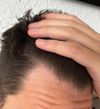
High cholesterol may accelerate hairloss by reducing blood flow and increasing DHT levels. Treatments mentioned include Minoxidil, finasteride, and RU58841.
Cannabis and THC may have mixed effects on hair, with some studies suggesting potential negative impacts on hair growth in isolated hair follicles, but these results are hard to apply to living humans. Treatments like minoxidil and finasteride are commonly used for hairloss, and the effects of cannabis might be neutral or vary based on individual factors.
The user managed hairloss with RU58841 and finasteride but is now experiencing graying hair, possibly due to stopping oral minoxidil. Many responses suggest embracing or dyeing gray hair, emphasizing that having gray hair is preferable to balding.
The user experienced hair shedding after starting testosterone replacement therapy (TRT) and is considering using DHT blockers like finasteride or dutasteride to address potential DHT-relatedhairloss. Low ferritin levels due to frequent blood donations may also contribute to hair issues, and the user is working on stabilizing iron levels.
User hoodoomoovoo discusses their interest in stem cell research and its potential for hairloss treatment. They share links to studies and mention ongoing trials, expressing optimism for a future solution to hairloss.
Cutting sugar may not significantly impact hairloss, as DHT and androgen receptors are the main issues. Effective treatments include finasteride, dutasteride, RU58841, and minoxidil, often combined with microneedling.
People with hairloss experience emotional struggles and body dysmorphia. Treatments like minoxidil, finasteride, and dutasteride are used, but results vary and can take time.
A 21-year-old experiencing significant hairloss despite using dutasteride, oral minoxidil, ketoconazole shampoo, and low-level laser therapy seeks advice. Suggestions include adding microneedling, checking for vitamin deficiencies or thyroid issues, and considering a scalp biopsy for other conditions.
Zinc pyrithione and ketoconazole shampoos may help reduce hairloss by removing DHT from the scalp. Users discuss various treatments, including minoxidil, finasteride, and non-pharmaceutical options like castor oil and dermarolling.
Hairloss treatments like dutasteride, finasteride, minoxidil, and RU58841 are discussed, with mixed results and ongoing hope for better solutions. Users express skepticism about a cure, sharing experiences with various treatments and lifestyle changes.
The conversation discusses potential future hairloss treatments, including SCUBE3, hair follicle cloning, and GT20029, with mentions of past disappointments like CosmeRNA and hopes for treatments like Verteporfin for infinite donor hair.
A 32-year-old male noticed accelerated hairloss after turning 30 and has been using minoxidil and finasteride with breaks, but stopped finasteride due to concerns about side effects. He is considering alternatives like topical treatments, ketoconazole shampoo, and possibly a future hair transplant.
Adequate nourishment and hormone replenishment helped with hair regrowth. Vegamour and Novo blends hair vitamins were also used but likely not effective alone.
The conversation is about a user suspecting excessive soy consumption caused their hairloss and considering removing soy from their diet. Another user suggests balancing soy with other nutrients, as soy is generally thought to protect hair.
The user has been experiencing hairloss for years, tried ketoconazole shampoo without success, and has been on finasteride for 3 months but is unsure if it's working. A reply suggests waiting 6-12 months to properly assess finasteride's effectiveness.
The conversation discusses hairloss treatments, focusing on reducing scalp itching and dandruff using natural shampoos, witch hazel, and apple cider vinegar. The user also mentions using finasteride and observing potential regrowth, though it's difficult to confirm.
Hairloss treatments like finasteride, minoxidil, and ketoconazole shampoo are discussed humorously, with skepticism about future cures. Users express frustration over the lack of a permanent solution and joke about investing in stocks or using time travel to solve baldness.
A 29-year-old female is experiencing severe hairloss and bald patches, seeking advice on shampoos, conditioners, hair masks, or topical medications. A user suggests starting an oral supplement.
Chronic Telogen Effluvium can be managed by avoiding inflammatory foods, exercising, staying hydrated, and using supplements like krill oil, saw palmetto, or licorice root. Minoxidil is discouraged due to its cost and potential for worsening hairloss, while castor oil is recommended to strengthen hair roots and reduce shedding.
A female user is experiencing heavy hair shedding and receding temples, possibly due to low ferritin levels. She is using oral minoxidil, iron supplements, and ketoconazole shampoo, and is hesitant to start spironolactone.
The user "Venom7337" shared their progress with hairloss, mentioning the treatments they used: Dutasteride, Minoxidil, and Ketoconazole shampoo. They hope to see further improvement in hair density and hairline.
A 23-year-old male is worried about potential hairloss and is considering finasteride but is concerned about side effects. He received reassurance from a doctor that he might not be balding and plans to confirm with a specialist.
The conversation discusses a hairloss treatment regimen involving finasteride, dutasteride, spironolactone, bicalutamide, oral estradiol, microneedling, and minoxidil. The regimen aims to reduce androgenic alopecia by blocking DHT and androgens, with a caution about potential feminizing effects.
The conversation is about a user feeling hopeless due to hairloss despite using finasteride, dutasteride, and OM for over a year. Responses suggest therapy, self-improvement, and changing perspectives on appearance.
The conversation is about someone experiencing continued hairloss despite using Pyrilutamide and considering the need for more time or better quality control for the treatment. Another person suggests waiting for the drug to be officially approved due to potential quality issues with current products.
Hairloss treatments, including finasteride, minoxidil, and herbal supplements, with a humorous tone. Users discuss the challenges and sacrifices of hairloss and hair restoration efforts.
A user's hair regrowth journey using biotin and minoxidil after initial treatments with Nizoral shampoo and Ketoconazole serum didn't work. The comments suggest the hairloss might not be male pattern baldness (MPB), but possibly Alopecia Areata, an autoimmune disorder, and recommend getting a second opinion and considering other treatments like corticosteroids.
Hairloss is often linked to inflammation and DHT, with treatments like finasteride, dutasteride, and minoxidil being effective for many. Natural remedies like turmeric and oils are discussed, but medications are generally seen as more reliable for managing genetic hairloss.
A 29-year-old with hairloss (NW 3) uses microneedling, oral minoxidil, and ketoconazole shampoo. They are considering topical dutasteride after limited success with current treatments and are questioning why it's not more widely discussed.
The conversation discusses various treatments for hairloss, including finasteride, minoxidil, dutasteride, microneedling, and checking for nutrient deficiencies. Some users suggest adding hydrocortisone butyrate, low-dose progesterone, or tretinoin to treatment regimens, while others recommend cosmetic solutions like Toppik hair fibers or shaving the head.