Using 2% ketoconazole daily can dry out the scalp; 1-2 times a week is recommended. Combining ketoconazole with treatments like minoxidil, alfatradiol, and fluridil can help manage hair loss effectively.
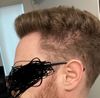
A 19-year-old experiencing diffuse thinning on the top of the head has seen some improvement with ketoconazole but is considering starting finasteride. They are seeking advice on whether to begin this treatment as they approach their 20th birthday.
Ketoconazole is discussed as a treatment for hair loss, with mixed reviews on its effectiveness and side effects. Some users find it helpful for scalp conditions, while others report it makes hair feel dry and doesn't aid regrowth.
A user started using Nizoral 2% to treat severe dandruff and asked about its application, potential hair dryness, and whether to consult a doctor. They have been using finasteride for hair loss since age 19.
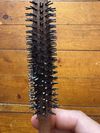
The user is experiencing white flakes and a greasy look from using a topical solution containing 0.025% finasteride, 8% minoxidil, 0.01% retinoic acid, and 1% hydrocortisone. Suggestions include reducing application frequency, using a brush to clean the scalp, and considering alcohol-free alternatives.
The user experienced reduced hair shedding with Ketoconazole shampoo, suggesting it may help with scalp inflammation and hair health. They also use Minoxidil and Finasteride, and suspect food intolerance and stress contribute to their hair issues.
The conversation is about a person considering participating in a study for Clascoterone, a topical cream for hair loss, and seeking advice on potential side effects. They have mild hair loss and are not currently using other treatments like finasteride.
Ketoconazole shampoo helps reduce hair shedding and improve thickness for some, but can cause dryness or irritation. Its effectiveness compared to finasteride or minoxidil varies among users.
Sildenafil (Viagra) shows potential for hair growth by enhancing dermal papilla cell proliferation and stimulating perifollicular vessel formation. Users discuss the possibility of using Cialis (tadalafil) similarly, noting its benefits and side effects.
Minoxidil and finasteride are being considered for hair loss due to seborrheic dermatitis and male pattern baldness. The user is also using ketoconazole and zinc pyrithione shampoo.
The conversation discusses using CB0301/Clascoterone as a potential treatment for hair loss, especially for those experiencing side effects from finasteride and dutasteride. The user currently uses oral minoxidil and considers combining it with other treatments like kx826, DHT blocker supplements, and 2% Nizoral shampoo.
A 28-year-old male is experiencing hair loss, itching, soreness, and numbness on the scalp, with symptoms including dry, brittle hair and scalp irritation. Treatments tried include Nizoral, salt water, various oils, and antihistamines, with limited success; a chemist suggested a possible fungal infection, while a doctor suspected male pattern baldness.
The conversation is about someone considering adding topical Cetirizine 1% to their existing hair loss treatment regimen and seeking advice on where to buy it and others' experiences with it.
Hair loss can be influenced by chronic low-level allergies, and treatments like fexofenadine or topical cetirizine may help with regrowth. The user avoids finasteride, dutasteride, and minoxidil, and has tried Regenera Activa and PRF sessions.
The conversation discusses hair regrowth after a health condition, with the appearance of white substance on the scalp. Suggestions include it being sebum or White Piedra, with a recommendation to try Nizoral.
The conversation is about comparing the effectiveness of fluridil and clascoterone in preventing hair loss and inquiring about their use as standalone treatments. There is a question about the concentration of the fluridil brand for efficacy.
A user is quitting ketoconazole shampoo, believing it worsened their hair condition, and plans to use clarifying, keratin, and pH balanced moisturizing shampoos instead. Another user suggests using conditioner after ketoconazole to prevent dryness.
After experiencing hair loss due to alopecia areata following COVID-19 vaccination and infection, the individual saw improvement with steroid treatments and Olumiant. They paused Olumiant during a second COVID-19 infection and expressed concern about potential hair loss flare-ups.
The user experienced severe scalp itching and hair loss while on dutasteride, which they linked to caffeine and masturbation. They plan to cut out both to see if their hair density improves.
User is experiencing a very dry scalp with thick white flakes from using liquid minoxidil twice daily for a year. They use Nizoral every 10 days and are seeking advice for a healthier scalp, with a suggestion to use finasteride instead.
The conversation is about using a DIY topical Cetirizine 1% solution with microneedling for hair loss treatment. Concerns were raised about potential side effects and the effectiveness of Cetirizine for this purpose.
The user is considering blood tests to understand their receding hairline and is exploring brewer's yeast for its biotin content. They have been using topical Minoxidil, biotin, collagen, and microneedling, but are avoiding oral Finasteride and Dutasteride.
A user struggles with male pattern baldness and a persistent tingling itch on their crown, trying various treatments like aloe vera, tea tree oil, and Nizoral without success. Another user suggests the itch might be psychosomatic, linked to worrying about hair loss.
A user is starting a topical finasteride treatment for diffuse patterned alopecia, having previously used minoxidil without success. They are cautious about side effects and have chosen topical over oral finasteride, while also using Nizoral and biotin in their routine.
Hair loss possibly caused by a fungal infection might be treated with antifungal shampoos or oral medications. If not fungal, treatments like minoxidil or finasteride may be necessary.
A user found that scalp itch might be linked to inflammation rather than DHT alone and noticed hair improvement with certain cancer drugs. They also discovered that black seed oil relieved their scalp itch and are experimenting with a mix of essential oils for dry scalp, questioning if oils affect minoxidil absorption.
Topical antihistamine creams, like diphenhydramine, are being considered for scalp inflammation and itchiness as an adjunct to standard hair loss treatments like minoxidil and finasteride. The user is cautious about oral antihistamines due to potential side effects and is exploring topical options.
DHT itch's existence is debated, with some claiming it's real and others saying it's psychological. Finasteride, Ketoconazole shampoo, and addressing scalp conditions like dandruff or eczema may help reduce itchiness.
The user switched to oral Dutasteride, added RU58841, and used Ketoconazole-enriched Minoxidil but still experiences scalp itch and hair loss after 4 months. They are advised to give Dutasteride more time, consider seeing a dermatologist, and explore other topical solutions.
The conversation is about a user experiencing a tingling sensation and redness on their scalp, possibly related to hair loss treatments. Suggestions include using Nizoral shampoo and consulting a dermatologist, while the user mentions using oral finasteride.