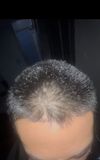
The user experiences an itchy scalp and finds relief using shampoo and Zyrtec, which helps with inflammation. They are unsure if the issue is related to histamines or seborrheic dermatitis.
Ketoconazole shampoo can be very drying, especially for curly hair, and may not be suitable for those who need to maintain moisture. Some users suggest using oils or masks to mitigate dryness, while others recommend avoiding it unless necessary for conditions like dandruff.
The conversation is about making a topical solution from clascoterone powder, with references to using a RU58841 mixing guide for guidance. Concerns about product authenticity and bulk purchase requirements are also discussed.
User on finasteride for a decade and oral minoxidil for a month asks about Nizoral shampoo's effectiveness and usage. Dermatologist suggests it may help with seborrheic dermatitis and hair loss, but not necessary; others share mixed opinions.
The conversation discusses managing seborrheic dermatitis (sebderm) and male pattern baldness (MPB) with treatments like finasteride, coal tar shampoo, Nizoral, and oral minoxidil. Users suggest dietary changes, regular shampooing, and using antifungal products to control sebderm before considering minoxidil.
The conversation discusses hair loss treatments, specifically using topical minoxidil, oral finasteride, ketoconazole, and derma stamping. Users share their experiences, with one noting improved scalp health and slight regrowth, while another considers switching treatments due to lack of progress.
The conversation is about the ineffectiveness of 1% ketoconazole for hair loss, with the user stating that studies support the 2% version and even that has minimal results. The user also mentions using minoxidil, which dries out their scalp, and ketoconazole worsens it.
Clascoterone cream was submitted for review to Health Canada in August 2022, with hopes of approval within 3-6 months. It may potentially enhance finasteride's effects for hair loss treatment.
A 19-year-old is experiencing worsening hair loss and severe seborrheic dermatitis despite using finasteride for six months. Nizoral (ketoconazole) is no longer effective, and they are seeking over-the-counter solutions and advice for an upcoming dermatologist visit.
A user with seborrheic dermatitis uses Ketoconazole 2% and Betamethasone and is considering starting Minoxidil for thinning hair. They are concerned about using Minoxidil and Betamethasone simultaneously.
The conversation discusses topical androgen receptor blockers for hair loss, mentioning Clascoterone, Pyrilutamide, GT20029, and RU58841. Ketoconazole's effectiveness and application methods are also debated.
A regimen for hair loss, which includes using Nizoral shampoo twice daily, Minoxidil foam from the can, 5mg of Propecia crushed and snorted on weekends, and dermastamping directly to the head of the penis. Replies discuss potential sides and other treatments, as well as the idea that confidence is more attractive than hair.
The user is using finasteride 1mg every other day and seeks a topical solution excluding minoxidil. They are considering various combinations of ingredients like finasteride, dutasteride, and tofacitinib, with options for nourishing oils and other additives.
The conversation discusses using Ketozolin shampoo in Germany as an addition to finasteride and minoxidil for hair loss treatment. Users recommend applying a small amount 2-3 times a week, leaving it on for 5-10 minutes.
A 23-year-old male with slight hair thinning is using ketoconazole shampoo, biotin, zinc, magnesium, D3/K2, and has just started topical finasteride (0.0125%). He plans to add minoxidil (4.5%) with 17α-estradiol and is seeking advice on the effectiveness and side effects of these treatments, as well as the use of a dermaroller.
A new alcohol-free, propylene glycol-free topical finasteride foam is available for prescription in Canada and the USA, offering a cleaner alternative for hair loss treatment. The product also offers a combination of 0.1% finasteride with 5% minoxidil and aims to be affordable and less irritating for sensitive scalps.
Nizoral, a ketoconazole shampoo, can cause scalp dryness and hair shedding if overused. Users discuss alternatives like Selsun Blue, finasteride, and dutasteride for managing hair loss and seborrheic dermatitis.
Clascoterone 5% solution (Breezula) is a promising alternative for androgenetic alopecia, showing continued hair growth with consistent use and no significant side effects. It may be suitable for those who cannot tolerate finasteride or dutasteride, especially when trying to conceive.
The user is considering blood tests to understand their receding hairline and is exploring brewer's yeast for its biotin content. They have been using topical Minoxidil, biotin, collagen, and microneedling, but are avoiding oral Finasteride and Dutasteride.
User explores no-finasteride hair loss treatments, considering compounds like Minoxidil, Eucapil, Alfatradiol, Stemoxydeine, Azelaic Acid, Retinol, and Ketoconazole Shampoo. They ask about mixing compounds, application schedules, and potential side effects.
The post and conversation discuss the link between DHT (a hormone), scalp itchiness, and hair loss. Some users share their experiences and treatments, including the use of fluconazole, corticosteroids, and ketoconazole shampoo, with one user suspecting minoxidil as a potential cause of their symptoms.
Nizoral is commonly used for hair loss and dandruff, but it can cause dryness; users often pair it with conditioners or alternative shampoos. Some also use finasteride, minoxidil, and red light therapy for hair care.
The conversation is about the approval of Clascoterone (Winlevi) in Canada for hair loss treatment. One user expressed skepticism about its effectiveness due to low concentration.
The user has been using finasteride, minoxidil, and a derma stamp for 3 months with significant improvement. They are now adding ketoconazole to their routine.
The user has been using oral minoxidil and dutasteride for hair loss without success and is considering adding topical 17α-estradiol, Pyrilutamide, Clascoterone, or cetirizine. They have confirmed low serum DHT levels and are exploring additional treatments due to genetic sensitivity to DHT and prostaglandin D2.
Hair loss discussion mentions Minoxidil, finasteride, and RU58841 treatments. Regenepure shampoo's ketoconazole ingredient causes confusion due to inconsistent listings.
Clascoterone 5% solution is discussed as a potential new treatment for hair loss, offering an alternative for those who can't use finasteride or need additional options beyond minoxidil. Concerns about cost, effectiveness, and safety compared to existing treatments like RU58841 and finasteride are highlighted.
Ketoconazole is somewhat effective for male pattern baldness (MPB), but the manufacturer promotes it for dandruff instead, possibly because the dandruff market is larger and to avoid confusion among dandruff sufferers without hair loss.
Clascoterone powder is now available, but it's expensive and not widely discussed due to past ineffective results at higher concentrations. Users are skeptical about its effectiveness and are seeking reliable sources.
Women experienced severe reactions, including Topical Steroid Withdrawal (TSW), from using Winlevi (Clascoterone 1%) on their faces. Concerns were raised about the potential risks of higher concentrations, especially for hair loss treatment.