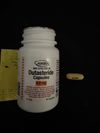
A user discusses a topical treatment combining Minoxidil, Betamethasone Valerate, Canrenone, Finasteride, and Dutasteride for hair loss. The treatment is RX-only and provided by a dermatologist.
Finasteride users report reduced libido and increased hair shedding initially, but some see these as temporary or manageable side effects. Vitamin E and D-3 supplements are discussed as potential aids for libido and mood.
The conversation discusses hair loss treatments, including minoxidil, finasteride, and dutasteride, with users sharing experiences and side effects. Some users express concerns about side effects like libido issues, while others mention alternative treatments like bee venom and dermarolling.
The post discusses the potential of GT20029 in treating hair loss, questioning if it will replace finasteride or be used alongside existing treatments. A reply indicates that its role is still uncertain.
Comparing two upcoming topical hair loss treatments, Fluridil and Breezula, to determine which is most effective for treating hair loss, taking into consideration factors such as price, side effects, potential for hair growth, convenience of application, smell, greasiness, and styling after use.
RU58841 may pose cancer risks due to its antiandrogen properties and lack of long-term safety data. Using it is considered a high-risk experiment with unknown potential for harm.
The user is experiencing diffuse thinning and inflammation despite using 2.5mg dutasteride daily, ciclopirox, and ketoconazole shampoos. They are considering treatments like hydroxychloroquine and JAK inhibitors due to suspected scarring alopecia and have faced challenges in obtaining a scalp biopsy.
A user successfully stopped balding by switching from topical to oral minoxidil, finasteride, and biotin, noting significant improvement after a year. They emphasize the importance of oral finasteride and consistent use for hair regrowth.
The user experienced significant hair improvement after 15 months of treatment, using finasteride initially, then switching to dutasteride, and recently adding topical minoxidil. They credit their progress to dutasteride and support from Haircafe, a YouTuber.
User experienced hair regrowth and no side effects after 10 weeks on 0.25mg finasteride daily, along with biotin, collagen, micro-needling, and hair oil. They stopped minoxidil due to inconvenience and noticed initial shedding but now see more fullness.
A user found that taking Zyrtec (Cetirizine) and Advil helped reduce their scalp inflammation and pain, potentially creating a better environment for hair growth. They have not used any other medication for hair loss or scalp issues.
A 28-year-old male shares progress on hair loss treatment using 0.5mg dutasteride and 5mg minoxidil, experiencing initial shedding but encouraged by community support. He also uses ketoconazole occasionally based on scalp oiliness.
The user mixes their own RU58841 solution and found that increasing the ethanol content improved absorption and reduced scalp itching. A study on minoxidil showed that penetration increased with higher ethanol concentrations, reaching maximum penetration at 90% ethanol.
The user has been experiencing hair loss since having COVID and has low vitamin D levels; they are seeing some improvement in their crown and hairline after starting vitamin D supplements. Commenters suggest the hair loss pattern is consistent with male pattern baldness (MPD) and varies by individual.
Eating 1g of broccoli seeds five days a week may help with hair regrowth due to their high sulforaphane content. However, caution is advised due to potential health risks from erucic acid in the seeds.
The conversation discusses creating a topical hair loss treatment by dissolving melatonin in ethanol and possibly mixing it with castor oil, questioning the stability of the solution. An alternative of using glycerin is also considered.
People discussed using peppermint, lavender, rosemary, and pumpkin seed oils for hair regrowth or thickening. They shared personal experiences and recommendations on using these oils alone or in combination.
The user is using Minoxidil, finasteride, Nizoral, and dermarolling for hair loss but is not seeing results. They are considering trying a product called "capilia longa" for beard growth and are questioning its effectiveness.
The user is experiencing painful side effects from finasteride and is considering switching to oral minoxidil and biotin to maintain their hair. They are seeking advice on whether this change would help preserve their current hair.
A user reported using 1.25mg finasteride daily for 9 months with positive hair growth results and increased libido but slower beard growth. Other users commented on the appearance of straightened vs. natural curly hair and potential hair damage from straightening.
Rice bran is claimed to be as effective as Minoxidil in promoting hair growth. The conversation discusses using rice bran as an alternative treatment for hair loss.
The user is using a regimen of 0.5mg dutasteride, 5% minoxidil foam at night, hair gummies, and rosemary water in the morning to address hair loss. They are experiencing some regrowth and are advised to be patient, with suggestions to possibly increase minoxidil application to twice a day for better results.
Clascoterone 5% solution showed a 539% improvement in hair count compared to placebo, but the actual increase in hair growth is minimal. Users express skepticism about the effectiveness of hair loss treatments.
The conversation discusses hair regrowth using Scandinavian Biolabs products, biotin pills, a dermaroller, rosemary oil, and a silicone head cleaner. The user observes weak hair regrowth and seeks opinions on the results.
Fluridil may decrease the number of androgen receptors in hair follicles by up to 95%. This suggests a different action mechanism from other non-steroidal antiandrogens like RU58841, indicating they might be used together.
The conversation discusses alternative hair loss treatments beyond the commonly used Minoxidil and Finasteride. One user is trying diclofenac gel, caffeine + antioxidant serum, finasteride, ketoconazole shampoo, and has stopped using Minoxidil due to ineffectiveness, while another user has adopted lifestyle changes like exercise, diet, stress reduction, and topical caffeine, along with scalp massages and microneedling.
Despite using 5% minoxidil, 0.1% finasteride, and other treatments like microneedling, MK-677, and Cialis, hair loss continues with high testosterone and DHT levels. Considering oral dutasteride but concerned about further increasing testosterone levels.