Search
for
Sort by
Community Join
750-780 / 1000+ resultscommunity Considering Topical Finasteride for AGA: Concerns About Oral Side Effects and Minoxidil Allergy
The conversation is about concerns regarding starting finasteride for AGA, with a preference for topical finasteride due to worries about oral side effects. The user is considering adding oral minoxidil later due to an allergy to topical minoxidil.
community [Discussion] Trichoscopy in sudden-onset AGA: Pathology and reversibility of "Yellow Dots" without 5AR-inhibitors?
Hair loss treatments discussed include microneedling, minoxidil, tretinoin, finasteride, dutasteride, pumpkin seeds, saw palmetto, and scalp massage. The consensus is that finasteride or dutasteride is necessary for significant regrowth, while other methods may only slow hair loss.
community Diy topical fin chunks on bottom
A user made a 70/30 ethanol/propylene glycol topical finasteride solution but noticed chunks at the bottom. The discussion focuses on this issue with the DIY hair loss treatment.
community An Uncontrolled Case Series Using a Botanically Derived, β-Cyclodextrin Inclusion Complex in Two Androgenetic Alopecia-Affected Male Subjects
The conversation discusses a botanically derived treatment for androgenetic alopecia using ingredients like saw palmetto, green tea, and evening primrose, showing impressive results over 270 days. Concerns include the study's uncontrolled nature and potential product motivation, with suggestions to enhance absorption through derma rolling.
community Does drinking topical minoxidil increase cancer risk?
A user has been using sublingual minoxidil for hair loss due to difficulty obtaining pills and is concerned about cancer risk from ethanol exposure. Other users advise against this method, suggesting topical application instead, and debate the potential risks of ingesting topical minoxidil.
community a topical that combines MIN, FIN and DUT
A user discusses a topical treatment combining Minoxidil, Betamethasone Valerate, Canrenone, Finasteride, and Dutasteride for hair loss. The treatment is RX-only and provided by a dermatologist.
community trichoscopy: for those of you with microscopes
The conversation discusses using USB microscopes for scalp photos and provides a link to an overview of trichoscopy. Treatments mentioned include Minoxidil, finasteride, and RU58841.
community Topical Finasteride Pill filler
Users discuss making topical finasteride solutions by dissolving crushed tablets in ethanol and propylene glycol, with concerns about residue affecting effectiveness. They also mention using minoxidil and oral finasteride, noting some hair regrowth and no side effects from topical use.
community Could Serum Ferritin Explain my Crazy Shedding?
The user is experiencing significant hair shedding and suspects it may be due to low serum ferritin levels rather than worsening androgenetic alopecia. They have resumed iron supplementation and are seeking additional solutions to address the shedding.
community Flakey scalp due to minoxidil?
Minoxidil can cause scalp flaking and dryness, often due to its alcohol content. Switching to foam minoxidil or using antifungal shampoos like Ketoconazole may help reduce these side effects.
community Hairloss is mentally exhausting
The conversation is about the mental toll of hair loss and seeking alternatives to finasteride. Suggestions include using minoxidil, considering pumpkin seed oil, and possibly seeking counseling for body dysmorphic disorder.

community Seeing tiny black hairs after using topical minoxidil
The user noticed tiny black hairs after using 5% topical minoxidil for 1.5 months and is unsure if it's due to the treatment. Another user suggests continuing minoxidil for at least 6 months and mentions that combining it with tretinoin and finasteride may improve results.
community Is this regrowth? 24M diffuse thinning
A 24-year-old experiencing diffuse thinning is using finasteride and minoxidil, noticing some hair thickening and new hair growth. Users suggest continuing the routine, as new hairs may become stronger in a few months.
community Bloodwork while on finasteride, any sugestions?
A user is experiencing side effects like less hard erections and sensitive nipples while on finasteride, with bloodwork showing high prolactin levels. They are seeking suggestions to address the prolactin issue.
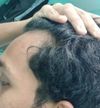
community 23M Receeding hairline, Hair fall and Hair thinning - Feeling mentally drained
A 23-year-old male is experiencing rapid hair thinning and receding hairline, feeling emotionally drained. He has tried GFC, PRP, ketoconazole shampoo, and supplements without improvement and is considering minoxidil, finasteride, and possibly a hair transplant.
community Dermastamping — do you use hyaluronic acid as lubricant?
The conversation discusses using high molecular weight hyaluronic acid after microneedling to form a protective barrier, though it's considered expensive and offers marginal improvement. Users share experiences with different microneedling tools like derma rollers, dermastamps, and Dr. Pen, with some opting not to use any products on the scalp.
community Thoughts and Experiences with Thickening Tonics?
OP is seeking recommendations for thickening tonics and decides to try Aveda thickening tonic after a suggestion. Another user recommends hair powder as an alternative.
community Costco sale on minoxidil starts today!
Minoxidil is on sale at Costco, but it poses a significant risk to pets, especially cats. Users discuss the pros and cons of foam versus liquid minoxidil, with some preferring liquid for better results despite its greasiness and dandruff issues.
community Discussion: High DHT levels while on Fin+Dut with substantial progress (pics)
A user's experience with using 5AR inhibitors (Finasteride and Dutasteride) in combination with Minoxidil foam and microneedling, which resulted in substantial improvements to their crown density and hairline, despite high systemic levels of testosterone and dihydrotestosterone.
community How can I get this spot more filled in? (Before & After)
The user has been using a daily topical spray of finasteride and minoxidil, along with occasional microneedling, to address hair loss since August 2023, and is considering switching to oral medication for convenience and cost reasons. Despite progress, they are exploring options like increasing microneedling frequency or potentially undergoing a hair transplant to address a stubborn spot.
community Scalp, eyebrow, eyelash and pubic hair loss.
The user experienced significant hair loss on the scalp, eyebrows, eyelashes, and pubic area, along with itchy, flaky skin and red patches. They have a history of eczema and dermatitis and suspect that stopping shampoo use and taking Ritalin may have contributed to the issue.
community Could fatty liver(other issues related to it..)play a role in Dupa/Aga?
Fatty liver and related issues may influence hair loss conditions like Dupa/Aga. Treatments discussed include Minoxidil, finasteride, RU58841, myo-inositol, and L-glutamine.
community Eucapil/fluridil - have you heard of it? What’s your opinion?
Eucapil/fluridil is discussed as a potential treatment for hair loss, with questions about its effectiveness and why it isn't a primary treatment. Minoxidil, finasteride, and RU58841 are also mentioned as treatments.
community Best way to go about making a DIY topical fin for someone who's allergic to PG?
The conversation discusses creating a DIY topical finasteride solution for someone allergic to propylene glycol, with suggestions to use glycerin or a glycerol-based vehicle instead. The user also mentions using foam minoxidil.
community Finally Scalp Folliculitis-Free after 2 Decades of Suffering
A 37-year-old male resolved scalp folliculitis by adopting a low-histamine diet and taking Vitamin A, Zinc, and Fish Oil, leading to better skin health and thicker hair. He warns about the potential toxicity of excessive Vitamin A intake.
community Progress: From June 2022 (7 months of min + fin) to now (1 year) — I’ve lost so much density in this period and I have no idea why. I was getting pretty good resultup until that point. Is there anything else I can try? I’ve tried min, fin, tretinoin, micro needling, and castor oil. I feel hopeless.
The user lost hair density after 7 months of using minoxidil and finasteride and is seeking advice on other treatments after trying tretinoin, microneedling, and castor oil. Suggestions include checking for scalp conditions like eczema or psoriasis, changing minoxidil brands, and questioning hair dryer use and finasteride dosage.
community how much propylene glycol is in kirlkland liquid?
Kirkland Minoxidil typically contains 50-60% propylene glycol. Users suggest adjusting the percentage for sensitive skin.
community Is fin not working for me? Burning sensation
The user is experiencing a burning sensation on their scalp despite using finasteride and nizoral for hair loss, and is unsure if they should switch to dutasteride. They have reduced their testosterone dose but the burning persists, and a trichologist suggested it might be telogen effluvium.
community Korean treatment that literally made me confident to tie my hair up.
A user shared their positive experience with MoriTint, a Korean scalp micro pigmentation technique that enhances the appearance of hair density without being permanent. They now offer this service in Los Angeles and emphasize its benefits for those with thinning hair, while clarifying it is not suitable for those with significant hair loss or baldness.