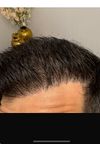
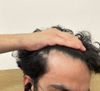
The user "OP" is frustrated with hair loss despite using oral minoxidil, topical finasteride, and oral dutasteride. Other users suggest keto shampoo, lifestyle changes, and low light laser therapy.
The user is taking 2.5 mg dutasteride and 5% minoxidil but is not seeing hair regrowth, and is considering adding RU58841. They are experiencing fatigue and low MCV/MCH, possibly related to dutasteride, and are advised to be patient, consider microneedling, and check for iron deficiency.
The user started a hair loss treatment with oral finasteride, minoxidil, and microneedling but hasn't seen improvement after six months, experiencing increased shedding instead. Suggestions include continuing the treatment for a year, considering topical minoxidil, and possibly adding dutasteride if needed.
A 24-year-old man saw hair loss improvement after 5 months using 1 mg finasteride daily, 5% minoxidil nightly, weekly microneedling with a Dr. Pen A6 at 1.5mm, daily biotin (at least 10,000 mcg), and using a shampoo for thinning hair every other day. He experienced no side effects and confirmed his health with bloodwork.
Despite using finasteride and dutasteride for years, the user experienced continued hair thinning and is now visibly balding. They are considering trying minoxidil but are doubtful about its effectiveness.
Topicals like minoxidil and finasteride should reach the scalp, but excessive massaging can cause hair to fall out. The evaporation felt is likely the carrier substances like alcohol or propylene glycol.
A 24-year-old experienced reduced hair loss with finasteride and minoxidil initially, but hair loss increased again after a few months. They switched to dutasteride and minoxidil, saw temporary improvement, but faced increased shedding again, seeking advice on next steps.
A 19-year-old tried oral minoxidil and finasteride for hair loss but experienced side effects like fatigue, dry eyes, and lack of motivation, leading to discontinuation. Suggestions included trying topical treatments, dutasteride, or accepting hair loss.
User experienced hair loss after weight lifting, had a successful hair transplant, but later faced significant thinning. Current treatment includes finasteride, minoxidil, dermal rolling, and supplements.
The user is considering another hair transplant or scalp micropigmentation (SMP) for a congenital bald spot, but previous transplants were less effective due to scar tissue. Suggestions include using hair fibers, changing hairstyles, or doing nothing, as the spot is not very noticeable.
A female, aged 17-18, is experiencing significant hair loss, feeling hopeless despite trying various treatments like leave-in conditioners, omega-3s, supplements, sulfate-free shampoo, and biotin. She is distressed as her hair continues to thin, affecting her body image and self-esteem.
MCL-1 protein may help maintain hair follicles in the growth phase and prevent miniaturization. There is interest in experimental treatments like exosomes, peptides, or stem cell serums to upregulate MCL-1 for hair loss, especially for those not using minoxidil or finasteride.
Minoxidil and finasteride are effective for hair loss, especially when used together. Microneedling may enhance minoxidil's effects, but its standalone effectiveness is uncertain.
The user experienced significant hair shedding while using finasteride and oral minoxidil but found that the shedding eventually stopped, and hair returned to its previous state. They advise patience, continuing medication, and maintaining good nutrition, including Vitamin D.
The user discusses using dutasteride to stop hair loss and bimatoprost for regrowth. They plan to use VEGF with hydrogels for potentially permanent hair follicle improvement and suggest PRP as an alternative.
The conclusion of the conversation is that dying the hair can be an effective method for managing hair loss, particularly for those with diffuse thinning.
The user is experiencing hair loss despite using minoxidil and dutasteride consistently since October, with no significant improvement. Suggestions include trying microneedling, switching dutasteride brands, or adding finasteride.
A potential treatment for hair loss that involves injecting fat into the scalp; the role of testosterone and estrogen in thinning fat tissue under the skin; research on using lard to treat androgenic alopecia, as well as PRP + ACELL/amniotic stem cell treatments; and ongoing clinical trials by doctors involved in the study.
Specialist_Soup_2289 is experiencing severe hair shedding despite using finasteride, dutasteride, and oral minoxidil. They hope for regrowth but are currently shedding a lot of hair.
A young person struggling with hair loss switched from finasteride to 0.5mg dutasteride and Oral Minoxidil 2.5mg, hoping for improvement before graduation. They are considering a hair transplant and exploring other treatments like stemoxydine and hair fibers, while dealing with the emotional impact of early balding.
The conversation is about using micro needling and PTD-DBM for hair loss treatment. The user applies PTD-DBM drops on weekdays and performs micro needling weekly.
The conversation discusses GT20029 as a potential cure for hair loss and includes information on specific treatments used. Minoxidil, finasteride, and RU58841 are mentioned as related treatments.
A 24-year-old male is experiencing hair loss due to low ferritin and vitamin D deficiency, and is using iron supplements, vitamin D3, finasteride, and ketoconazole shampoo for treatment. Users suggest increasing vitamin D and iron intake for better results and recommend consulting a professional for proper dosage.
The conversation discusses hair loss treatments, focusing on vitamin D and B12 deficiencies, and mentions using finasteride. It also suggests getting a biopsy to differentiate between MPB and other conditions.
A 19-year-old is unsure if their hair is receding or just maturing and is seeking opinions before starting treatments like Minoxidil, finasteride, or RU58841. They shared recent and past photos to compare changes over a few months.
A 31-year-old man feels depressed due to hair loss, using topical finasteride and previously tried minoxidil. Others suggest treatments like finasteride, minoxidil, hair transplants, or embracing baldness, highlighting the importance of mental health and self-acceptance.
The user started finasteride in January 2025 and experienced increased hair shedding by March 2025, despite initial improvements from PRP treatment. They are concerned but have read that this shedding might be a temporary phase of the finasteride treatment.
A 26-year-old male with a family history of early baldness documents his hair loss journey, using finasteride, dutasteride, and Nizoral, along with lifestyle changes like weightlifting and a vertical diet. Despite some stabilization, he continues to experience thinning and remains determined to fight hair loss.
A user increased their dutasteride dose to 3mg daily after two years but experienced significant hair loss. They also use RU58841 and minoxidil and are concerned about whether the loss is due to shedding or another issue like telogen effluvium.