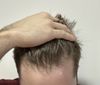
A user claims to have reversed baldness, possibly due to telogen effluvium recovery after weight loss. Others discuss the potential success of using GHK-Cu for hair regrowth.
The user is using a hair loss treatment regimen including Avodart (dutasteride), oral minoxidil, LLLT caps, vitamins, and ketoconazole shampoo, and is considering adding dermarolling and RU58841. They are experiencing unwanted body hair growth from minoxidil and are planning for a future hair transplant.
The user is trying alternative hair loss treatments like caffeine shampoo and dermarolling before considering minoxidil or other advanced treatments, and has noticed an increase in vellus hairs and some strong terminal hairs after two months of daily caffeine shampoo use. They plan to continue the treatment and document progress.
Delayed release oral minoxidil is seen as a promising advancement for hair loss treatment, offering safer, higher doses and more consistent hair follicle stimulation compared to current options. However, it is not expected to replace finasteride or dutasteride, as it does not prevent androgenetic alopecia.
The conversation is about a user who has been bald for 15 years and is trying to regrow hair using a dermaroller, minoxidil, nourishing serums, biotin supplements, and mesotherapy. Other users suggest using finasteride or dutasteride for better results.
The user is using a combination of 7% minoxidil, 0.2% finasteride, 0.5mg finasteride, RU58841, and daily microneedling but is not seeing hair regrowth after 5 months. Suggestions include being patient, reducing microneedling frequency, considering oral minoxidil, and possibly switching to dutasteride if no improvement after a year.
The user shared progress pictures over four months using topical finasteride (0.1%) and minoxidil, initially at 7% and later increased to 10%, with retinoic acid. Another user suggested trying a hair system or shaving, doubting the effectiveness of the treatments.
A 35-year-old man had a hair transplant in 2019 but experienced further hair loss due to not using finasteride or minoxidil. Many suggest shaving his head or considering a hair system, as his donor area is depleted and further transplants may not be viable.
The user diagnosed with DUPA tried treatments like dutasteride, finasteride, RU58841, and minoxidil without success and is considering a hair system. They hope for a future cure, possibly with PP405, and others suggest options like scalp biopsy and SMP.
The user has been using Minoxidil 5% since August and has noticed hair regrowth, with the left temple showing more concentrated growth and the right side having scattered single hairs. Some hairs are turning black, but the right side doesn't yet appear as full as the left.
The conversation discusses the difference in attitudes toward hair loss treatments, with a focus on lifestyle changes and hair transplant surgery in Hong Kong, as opposed to treatments like minoxidil, finasteride, and microneedling discussed on 'tresless'. The user is now using finasteride and minoxidil and considering microneedling.
User has been using topical finasteride and minoxidil for a year, seeing regrowth only on the hairline, not the crown. They also use keto shampoo, rosemary oil, and microneedle weekly, and are considering switching to oral treatments.
A 26-year-old man with diffuse alopecia is using electric scalp massage, dermastamp, and multivitamins for treatment but is intolerant to finasteride. A dermatologist recommended PRP and mesotherapy with exosomes and dutasteride.
A user shared their successful hair loss treatment using 1.25mg finasteride daily, 2.5mm microneedling every 1-3 weeks, zinc pyrithione shampoo, occasional scalp massages, and 40% glycolic acid on temples. They reported significant progress over 21 months.
A product called "PP405 Hair Follicle Serum" is being sold on Shopee, claiming to cure baldness without clinical trials or FDA approval, but users are skeptical and refer to it as "snake oil." Some users discuss testing the product's contents, while others share their experiences with hair loss treatments like finasteride.
The post discusses a hair loss treatment regimen including dermarolling, minoxidil, finasteride, biotin, Nizoral, castor oil, and a power laser comb. The user shares progress pictures to show the effectiveness of these treatments.
The user is considering a second hair transplant after previous treatments with finasteride and minoxidil failed to stop hair loss. Suggestions include trying dutasteride, oral minoxidil, scalp micropigmentation, or shaving the head.
The regimen includes using a diluted 5.5% Minoxidil / 0.025% Finasteride solution daily, microneedling weekly, and ketoconazole shampoo twice a week to minimize systemic exposure while maximizing scalp DHT reduction. The goal is to achieve hair regrowth with minimal side effects.
The post and conversation discuss hair loss treatments and the uncertainty of their results. Some users suggest that artificial hair systems might be the best solution, while others express preference for maintaining a mature hairline rather than aiming for a youthful one.
The user is discussing their hair loss treatment stack, which includes CB-03-01, Fluridil, Alfatradiol, Cosmerna, microneedling, and Stemoxydine. They have seen some new hair growth but wish they could use finasteride.
A 30-year-old shared their successful hair restoration journey using liposomal topical finasteride and minoxidil, vitamins, and a second hair transplant in Greece, which significantly improved their hair density without side effects. The transplant cost $7500 and involved filling an old scar, with the user expressing gratitude for the life-changing results.
The conversation discusses the potential market release of a hair loss treatment called GT20029 by Anageninc, with users expressing interest and discussing the importance of safety and effectiveness. Some users plan to contact Anageninc to show demand for the product.
The user shares their hair loss treatment routine, which includes topical minoxidil, botana oil, coconut moisturizer, derma stamping, derma rolling, 3% salicylic acid shampoo, and scalp massage. Suggestions include adding finasteride, switching to 2% ketoconazole shampoo, and using rosemary oil instead of botana oil.
The user is stressed about hair loss and is using a HIMS topical treatment containing finasteride, ketoconazole, minoxidil, and biotin, but is concerned about the oily appearance it causes. They are considering switching to Rogaine (minoxidil) due to budget constraints and side effect concerns with oral finasteride.
A user shared their hair loss treatment routine, which includes oral and topical Minoxidil, dermarolling, Keto shampoo, multivitamins, Biotin, oils, protein intake, and water. Another user suggested adding finasteride and continuing the routine for 6-12 months.
The conversation is about a user's four-month progress using finasteride, minoxidil, and weekly dermastamping for hair loss. People occasionally notice improvements in the user's hair.
A user shared their 1.5-month progress using a routine of topical finasteride and minoxidil gel, minoxidil foam, microneedling, keto shampoo, and a multivitamin. They reported noticeable hair regrowth for the first time in a decade.
The conversation discusses the correct method of microneedling for hair loss, questioning whether it should be done on areas with long hair without risking hair damage, and if it's necessary for improving blood flow to existing hair. No specific treatments were mentioned.
PP405 is a promising molecule that may reactivate dormant hair follicles, potentially offering a new treatment for hair loss. It is in phase 2 trials, with possible availability between 2027 and 2030.