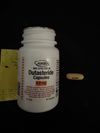
A user received brand name Avodart instead of generic dutasteride for a lower price. Another user mentioned experiencing depression as a side effect but prefers having hair.
A 21-year-old male, 13 months into hair loss treatment, reports increased hair fall despite using Dutasteride, oral Minoxidil, vitamins, and specialized shampoos. He questions the impact of anxiety and depression on hair fall and is hesitant to seek therapy.
A 24-year-old shared his 12-month hair loss progress, using 1mg oral finasteride daily, Minoxidil spray twice daily, weekly derma stamping, daily Biotin, Saw Palmetto Shampoo, and occasional Ketoconazole shampoo. He experienced minimal side effects and significant hair density improvement, no longer needing a hat.
Adding melatonin to minoxidil can improve hair growth and thickness, and it's easy to use with minimal side effects. The recommended concentration for melatonin in the solution is between 0.05% and 0.2%.
User found 15% procyanidin B2 supplement and asks if it's legit. Recommended dosage is 400-600mg daily, similar to study, and user wonders if it's effective for hair loss.
Taking zinc and copper may offset copper depletion and potentially aid hair health when used with finasteride. The user is considering whether to use these supplements alongside finasteride or wait until switching to dutasteride.
The conversation discusses hair loss treatments, specifically minoxidil, vitamin D supplements, and the potential impact of iron overload. The user experienced hair regrowth with high-dose vitamin D but faced hair thinning again after reducing the dosage, and is now exploring the role of iron overload in hair loss.
The user experienced noticeable hair growth after starting dermarolling with a 1mm device, using minoxidil, and nizoral shampoo. They plan to reduce dermarolling frequency to three times a week and are considering additional treatments like finasteride or a hair transplant for increased hair density.
The conversation discusses treating male pattern baldness with topical products containing Saw Palmetto extract. Specific treatments mentioned include Minoxidil, Finasteride, and RU58841.
The user switched from prescribed topical minoxidil and finasteride to stronger grey market alternatives, hoping for better hair growth but experiencing shedding. Concerns were raised about the legitimacy and safety of grey market products, with suggestions to use prescribed medications instead.
The conversation discusses hair regrowth treatments, specifically using 1mg oral finasteride and topical minoxidil for six and two months, respectively. Additional suggestions include red light therapy, derma rolling, and twice-daily minoxidil application.
Hair loss affects mental health and self-esteem, causing anxiety and depression. Treatments like finasteride, minoxidil, and hair transplants help some, but others continue to struggle.
The user had a hair transplant and uses oral minoxidil, a red laser therapy helmet, fish oil, collagen, and sardines for hair thinning but avoids finasteride due to side effect concerns. Many suggest these methods may not be effective long-term without a DHT blocker.
The user experienced intensified hair thinning after 10 years on finasteride and saw little improvement after switching to oral minoxidil and dutasteride for 8 months. Suggestions included continuing dutasteride for another 6-8 months, considering additional treatments like topical finasteride, and evaluating nutrition and other potential causes of hair loss.
The user did not respond to minoxidil and is considering using tretinoin to improve results. They also explored finasteride, microneedling, adapalene, red light therapy, and oral minoxidil as potential treatments.
The user is using finasteride 1.25mg three times a week for hair regrowth and reports no significant side effects except watery semen initially. They also use a local caffeine shampoo and are considering haircuts to improve appearance.
A 22-year-old is experiencing severe hair loss and questions the effectiveness of topical Minoxidil, considering that they might be a non-responder. They have recently increased the dosage and are not using Finasteride, while also using a 0.5 mm derma stamp.
The user experienced significant hair regrowth using 5% topical minoxidil and 1mg finasteride daily, despite multiple shedding phases, and emphasizes the importance of starting treatment early and maintaining consistency. They advise against obsessing over online forums during shedding periods and recommend checking for scalp conditions like seborrheic dermatitis and ensuring proper nutrition.
The user has been using finasteride consistently for 2 years and oral minoxidil for 4 months, noticing some hair regrowth. They also take vitamin D supplements to improve hair growth.
The user is experiencing a difficult shedding phase after starting a hair loss treatment with oral finasteride, topical minoxidil, and microneedling. Despite the shedding, they remain hopeful for regrowth and plan to continue the treatment, encouraged by others' positive results.
A user experienced significant hair regrowth using topical minoxidil, water-soluble pumpkin seed oil, and saw palmetto. Despite not using finasteride, the user reported reduced hair loss and increased hair growth, especially around the temples and beard.
The conversation discusses a user's six-month progress in treating hereditary hair loss using a regimen that includes minoxidil, finasteride, dutasteride, and other medications. Opinions vary on the effectiveness and logic of the treatment, with some users suggesting additional methods like microneedling.
A new hair growth product claims to use apple stem cells, plant collagen, and bamboo leaf extract, with a 120-day money-back guarantee. Some users are skeptical, noting the product's marketing alongside other treatments like Minoxidil, finasteride, and red light therapy.
Red light therapy is scientifically proven to promote hair growth by increasing strand density and thickness, and it's an additional treatment to DHT blockers like minoxidil and finasteride. Some users are skeptical about the cost and effectiveness of commercial devices, despite studies showing benefits.
User reports 2 months of hair growth using Minoxidil 5% twice daily and 0.5 Finasteride once daily. Different Minoxidil brand and increased application frequency may have contributed to success.
Enhancing minoxidil effects can involve using penetration enhancers like DMSO, urea, or retinol, and methods like dermarolling and adding substances like biotin and L-carnitine tartrate. Some users suggest trying higher concentrations of minoxidil if lower percentages are ineffective.
The user switched from finasteride to dutasteride to address temple hair loss and obtained generic oral minoxidil. They are questioning the legitimacy of Camber's dutasteride compared to other options.
Many users report negative experiences with Dutasteride, claiming it doesn't work as effectively as Finasteride for hair loss, despite some defending its efficacy. The conversation highlights skepticism about Dutasteride's effectiveness, with some users experiencing continued hair loss or no regrowth, while others see positive results.
The user had a hair transplant in March 2025 and has been using finasteride since 2023, which halted hair loss but didn't fully restore density. They plan to use dutasteride twice weekly, finasteride five times a week, and saw palmetto to improve hair thickness.
A user ordered a compounded medication from Musely containing Dutasteride, Minoxidil, and other vitamins, expressing concerns about its contents and effectiveness. Another user shared their experience with side effects but noted hair regrowth, while adjusting the dosage to reduce symptoms.