The conversation is about compounding topical cyclosporine for hair loss, suggesting it needs an oil base like castor oil. The user seeks tips or tricks for the process.
The user is experiencing irritation from using PG with RU58841 and is seeking alternative solutions like K&B in the UK. They report redness, itchiness, and flaky skin from the current treatment.
The conversation is about a person considering making their own topical finasteride to avoid side effects from oral use. They discuss potential methods and ingredients, including cayenne pepper extract, rosemary, and coconut oil, and seek advice on effectiveness and alternatives like light therapy or dermarolling.
Adding caffeine to topical minoxidil is unlikely to enhance its effectiveness, with most users agreeing it has minimal impact. The main treatments discussed are minoxidil and finasteride, with some users adding other ingredients like azelaic acid and retinol.
The conversation is about someone considering adding topical Cetirizine 1% to their existing hair loss treatment regimen and seeking advice on where to buy it and others' experiences with it.
Topical antihistamine creams, like diphenhydramine, are being considered for scalp inflammation and itchiness as an adjunct to standard hair loss treatments like minoxidil and finasteride. The user is cautious about oral antihistamines due to potential side effects and is exploring topical options.
The conversation discusses the difficulty of applying tretinoin 0.025% cream on the scalp and considers switching to a gel for easier application. It also mentions that a liquid solution, ideally combined with minoxidil, may be more effective for hair treatment.
Clascoterone 5% solution is not yet commercially available, with only the 1% solution currently sold for acne. Users discuss the potential of Clascoterone as a hair loss treatment, comparing it to other anti-androgens like RU58841 and Eucapil.
The user suspects scarring alopecia and is exploring NSAIDs and turmeric/pepper for inflammation-related hair loss, having experienced burning and thinning with finasteride and testosterone reduction. They are seeking feedback while unable to afford a dermatologist.
The conversation discusses a hair loss and scalp care routine involving ciclopirox shampoo, benzoyl peroxide, clindamycin gel, clobetasol propionate, and calcipotriol to manage seborrheic dermatitis, folliculitis, and inflammation. It also touches on the role of diet and other treatments like oral minoxidil and pioglitazone for scalp health.
The conversation is about making a topical solution from clascoterone powder, with references to using a RU58841 mixing guide for guidance. Concerns about product authenticity and bulk purchase requirements are also discussed.
A user was prescribed betamethasone dipropionate spray for a receding hairline, which caused skin peeling and depigmentation. They stopped using it and are considering alternatives like BPC-157/TB-500 for healing.
A user has been using Minoxidil for 5 months and is curious about the effectiveness of topical caffeine ointments for hair loss prevention. They seek recommendations and information on whether caffeine affects Minoxidil's efficacy.
A user is considering switching from regular 5% minoxidil foam to a compounded 5% minoxidil spray with added caffeine, melatonin, and tretinoin for easier application and potentially better results. Another user mentions that tretinoin can enhance minoxidil's effectiveness by converting it to its active form.
Topical Calcipotriol (vitamin D derivative) may help with hair regrowth, especially for alopecia areata. The user wonders if adding classic vitamin D to lotions like Minoxidil could have a similar effect.
Clascoterone, a topical anti-androgen, is generating interest for potentially fewer systemic side effects. Users are curious about its effectiveness and details like concentration and duration of use.
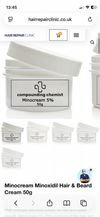
A user is considering switching from a 5% minoxidil spray to a minoxidil cream for easier application and less greasiness. They are inquiring about the Hair Repair Clinic 5% minoxidil cream, which includes optional tretinoin and other ingredients like isopropyl myristate and beeswax.
The conversation is about using valproic acid, an anti-seizure medication, as a topical treatment to promote hair growth. The original poster is seeking personal experiences from those who have tried this method.
The conversation discusses whether topical caffeine is effective for hair loss, with some users questioning its role due to its vasoconstrictive and vasodilative properties, while another suggests that temporary vasoconstriction might be beneficial by promoting angiogenesis. Specific treatments mentioned include caffeine shampoo, which one user believes is ineffective.
A user is considering switching from a 5% minoxidil spray to a minoxidil cream, hoping it will be easier to apply and less greasy. They are seeking feedback on the cream's effectiveness and suitability for sensitive scalps.
A user asks about experiences with Minichek F 5% with Procapil, specifically its drying time. Responses discuss the effectiveness and drying time of the treatment.
The solution contains minoxidil, finasteride, azelaic acid, caffeine, retinoic acid, and procapil. Users suggest minoxidil with tretinoin and a 5-alpha reductase inhibitor, while dismissing retinoic and azelaic acids as unnecessary.
Carpronium chloride 5% is a hair growth treatment in Japan, considered less effective than minoxidil or finasteride. Some users report moderate success with it, but its efficacy is not well-verified.
PP405 shows promise in activating dormant hair follicles and increasing hair counts but lacks detailed efficacy data compared to minoxidil and finasteride. Opinions are mixed, with some optimism and skepticism about its effectiveness.
The conversation discusses a user's unconventional hair loss treatment involving scalp massage, dermastamping, and pouring hot water to induce a burning sensation, with a warning not to try it without further evidence. Other users suggest more traditional treatments like Minoxidil and finasteride, while expressing skepticism and concern about the hot water method.
Caffeine ointment was mentioned as being as effective as Minoxidil for hair loss treatment without the side effects. Caffeine is also found in some shampoos.
The user applies a topical solution containing minoxidil, finasteride, dutasteride, retinoic acid, and hydrocortisone to address scalp inflammation and is considering adding cetirizine to the mix. They are calculating the correct amount of cetirizine to add to their formula and have paused this approach to retry oral minoxidil.
The user experienced red pimples and a rash from using topical minoxidil, possibly due to propylene glycol. Suggestions included seeing a dermatologist, switching to foam without propylene glycol, using Nizoral, and adjusting application timing.
Clascoterone 5% solution showed a 539% improvement in hair count compared to placebo, but the actual increase in hair growth is minimal. Users express skepticism about the effectiveness of hair loss treatments.