A user is using oral finasteride, oral dutasteride, and drinking topical minoxidil for hair loss, despite health warnings. Switching from finasteride to dutasteride did not improve hair density.
Dutasteride tablets from India are significantly cheaper than those from pharmacies, but there are concerns about authenticity and customs issues. The user is also using oral minoxidil, finasteride, and RU58841 for hair loss treatment.
A 22-year-old male using finasteride for hair loss has experienced reduced hair density after 11 weeks, with hopes for stabilization or regrowth. Users suggest adding treatments like dutasteride, minoxidil, and ketoconazole, but emphasize patience and consistency with the current regimen.
The user applied minoxidil and finasteride topically for hair regrowth, experiencing significant results but stopped finasteride due to side effects. They later added stevia to minoxidil, noticing potential improvement in hair density, particularly at the front.
Oral minoxidil is causing significant blood pressure fluctuations and increased heart rate, leading the user to consider switching to topical minoxidil and tretinoin. The user plans to consult a cardiologist and is likely to stop using oral minoxidil.
Dutasteride is often more effective than finasteride for hair regrowth, though it may cause initial shedding. Many users see positive results after several months, with some combining it with minoxidil for better outcomes.
Hair regrowth and gender transition using finasteride, estrogen, and spironolactone. Significant hair regrowth and personal transformation were achieved through hormone replacement therapy.
The conversation discusses using Dutasteride, Finasteride, and Minoxidil for hair loss treatment. The user plans to gradually increase Dutasteride dosage to 2.5mg if no side effects occur, while others suggest combining it with Minoxidil and microneedling for better results.
The user is experiencing hair regrowth and increased hair thickness after using supplements like biotin, zinc, selenium, and a complex with various natural ingredients, along with topical caffeine. They are considering using topical minoxidil and mesotherapy in the future.
A 22-year-old male experienced significant hair regrowth after five months using 1mg finasteride and 5mg minoxidil, with plans to switch to dutasteride. He reported emotional changes and thicker eyebrows and eyelashes as side effects.
The user has been using dutasteride twice a week for 8 months and oral minoxidil for 3 months but is experiencing increased hair thinning. Many recommend taking dutasteride daily for improved results.
Vitamin deficiencies, particularly in vitamins A, B, C, D, and minerals like iron, zinc, and copper, can lead to hair loss. Dietary changes, such as eating more nutrient-rich foods, can improve hair health.
The user experienced significant hair regrowth and no side effects after 14 months of using oral dutasteride and topical minoxidil. They initially had side effects with finasteride but found success with dutasteride, noticing hair stopped falling out within a few months.
The user experienced significant hair regrowth using dutasteride daily for six months, then every other day, after stopping minoxidil. They did not use finasteride and reported no side effects.
The user shared a 3-year hair restoration update using 0.5mg dutasteride daily, 5% minoxidil foam twice daily, a 1.5mm derma roller twice a month, and Nizoral shampoo. They reported significant improvement and maintenance of hair, with minimal side effects, and are satisfied with the results at age 40.
The user switched from finasteride to dutasteride and experienced hair thinning, which is expected during the transition. They are using ketoconazole shampoo, considering dermarolling, and adding topical minoxidil to their routine.
A user successfully regrew hair over 20 months using oral dutasteride and minoxidil, with no significant side effects. They are satisfied with the results but may consider a hair transplant for more density.
The conversation discusses the use of dutasteride and finasteride for hair loss, with a focus on starting with low doses of dutasteride to match the DHT suppression of finasteride. It highlights the longer half-life and potential side effects of dutasteride, as well as the preference for finasteride due to its availability and research backing.
Dutasteride caused persistent hair shedding and no improvement for 18 months, leading to a switch back to finasteride. The user also uses oral minoxidil and plans to focus on better scalp health.
A 22-year-old started using 0.5mg Dutasteride and 2.5mg Oral Minoxidil for hair loss and noticed regrowth and darker hair after one month. They experienced lightheadedness initially due to overlapping doses but resolved it by taking the medication consistently.
The user is experiencing significant hair loss after switching from finasteride to dutasteride for five months. Suggestions include that the hair loss might be a normal shedding phase, with some recommending continuing the treatment for up to 24 months or considering alternatives like RU58841.
Belgium disagrees with the EMA and does not authorize the 1 mg oral form of finasteride for androgenic alopecia, citing a negative benefit-risk ratio. Despite this, some individuals in Belgium can still obtain finasteride through prescriptions, and there is debate over its mental health risks versus its benefits for hair loss and other health issues.
The conversation discusses using finasteride, dutasteride, RU58841, and testosterone to combat hair loss and block DHT, with some users expressing concerns about side effects and vegan options for medication. The discussion also touches on personal experiences with hormone treatments and the desire to maintain a youthful appearance.
Dutasteride 0.5mg daily led to significant hair regrowth in 3 months, with minimal side effects like slight pelvic pain and increased libido. The user switched from Finasteride to Dutasteride, noticing reduced hair shedding and improved hair condition.
The user has been using minoxidil for a year, finasteride for 7 weeks, and incorporates derma rolling and rosemary oil into their routine, resulting in noticeable hair growth and thickness. They report minimal side effects and are considering sharing more progress photos due to positive feedback.
People discuss hair loss treatments like finasteride, dutasteride, and minoxidil, debating side effects and effectiveness. Concerns about side effects, especially sexual ones, are common, with varying opinions on dosing strategies.
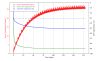
A Dutasteride Simulator predicts serum dutasteride, serum DHT, and scalp DHT levels using models from research papers. It simulates various dosing schedules to determine steady-state effects and visualizes outcomes, including hair growth-related scalp DHT suppression.
Bryan Johnson uses topical dutasteride, minoxidil, and microneedling for hair loss. Users discuss treatment effectiveness and side effects, debating topical versus oral dutasteride efficacy.
The conversation is about sourcing dutasteride powder for hair loss treatment, with users suggesting websites like Alibaba and Made-in-China for purchasing. Users discuss the challenges of compounding pills and the legitimacy of online sources.
The user has been using finasteride and minoxidil for hair loss since 2021, with some initial regrowth but now considering switching to dutasteride due to concerns about further hair loss. They also use microneedling and are exploring tretinoin, while others suggest adding oral minoxidil or a hair transplant for better results.