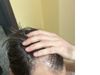
The user is using oral minoxidil and finasteride for hair loss and plans to add topical minoxidil and a dermaroller. They also use ketoconazole shampoo to support hair regrowth.
A user shared their 4-year progress using topical minoxidil and 1mg finasteride daily for hair regrowth, noting plans to reduce finasteride due to minor side effects. They emphasized consistency as key to success, with noticeable improvements in hair density and color.
A user shared their positive experience with Musely's Modern Hair Formula and Classic Combo for hair regrowth, highlighting ingredients like IPCs and Exosomes. They offered a $50 gift card for the product, leading to skepticism from others about the promotion.
Neofollics lotion is discussed as a hair loss treatment, but users report it is ineffective and not supported by strong evidence. Users suggest sticking to FDA-approved treatments like Minoxidil and Finasteride.
Piroctone olamine is more effective than ketoconazole for increasing hair growth and reducing itching and dandruff. Treatments discussed include Minoxidil, finasteride, and RU58841.
A user started using Nizoral 2% to treat severe dandruff and asked about its application, potential hair dryness, and whether to consult a doctor. They have been using finasteride for hair loss since age 19.
Avoid home-compounding topical minoxidil due to potential risks and complications. Use proper equipment and techniques to prevent aerosolization and ensure effective dissolution.
The conversation is about the FDA approval of WINLEVI for acne treatment and the anticipation of Breezula, a hair loss treatment using the same active ingredient, which may indicate a positive future for Breezula's release. There is disappointment that Breezula's results are not optimal, but it is seen as progress in hair loss treatment.
A user shared their 3.5-month progress using 1 mg oral finasteride daily, 5% topical minoxidil nightly, and a dermaroller weekly, reporting no side effects. Others congratulated the user on their progress and inquired about side effects, to which the user confirmed experiencing none.
The user shared progress after two months using a topical formulation containing Dutasteride 0.25%, Minoxidil 5%, Cetirizine 1%, Melatonin 0.5%, Caffeine 2%, and Latanoprost 0.005%. The focus is on hair loss treatment results.
The conversation is about the safety of using a product with azelaic acid and other ingredients on a receding scalp for hair loss. Specific treatments mentioned are Minoxidil, finasteride, and RU58841.
Creatine may cause increased hair shedding due to androgen receptor sensitivity, despite limited evidence. The user is using dutasteride and minoxidil and seeks advice on whether shedding will stabilize, with suggestions including GHK-Cu and RU58841.
The user's progress with hair loss treatments, including Fin 1mg daily, Minoxidil once a day and Keto 2% twice a week. Another user commented in response.
A trichologist prescribed Biotrade Sebomax HR Anti-Hair Loss Tonic, Spectral DNC-N Nanoxidil, Hairfollic Him/Man Vitamins, and Bosley MD DHT blocking supplements instead of finasteride due to potential risks at age 21. The user questions the legitimacy of the treatment and considers seeking a second opinion.
The conversation is about hair loss treatment using finasteride, ketoconazole, and sulfur soap, with consideration of starting dermastamp. The user prefers not to use minoxidil.
A user has been treating hair loss for a year with Finasteride, oral Minoxidil, microneedling, and ketoconazole shampoo, recently adding Dutasteride. They are unsure about the effectiveness and seek advice on whether to continue or switch fully to Dutasteride.
The user is experiencing significant hair regrowth with 5 mg oral minoxidil and 1 mg finasteride but also side effects like eye puffiness and hypertrichosis. They are considering reducing the minoxidil dose to 2.5 mg to lessen side effects and are curious about caffeine serums for eye puffiness.
AMP-303 and AMP-601 are new hair loss treatments targeting dermal papilla cells, with AMP-303 showing early efficacy in transitioning vellus hairs to terminal hairs after one injection. Further clinical trials are planned, and these treatments are seen as promising due to their biologic approach and less frequent application compared to daily treatments.
The user experienced significant hair regrowth on the crown using 1mg finasteride daily, 5% minoxidil at night, oral minoxidil 1mg, and daily vitamin D. They noted side effects like redness and dandruff from minoxidil, and others discussed the effectiveness and side effects of these treatments.
The user is experiencing good hair regrowth using topical minoxidil, oral finasteride, biotin, and ketoconazole shampoo. They are curious about when the regrowth will plateau.
VDPHL01 shows faster and stronger hair growth compared to standard minoxidil, with no major side effects reported. Users discuss combining it with other treatments like dutasteride and finasteride for better results, while expressing skepticism about the effectiveness of PP405.
The user experienced persistent acne and skin issues with dutasteride, leading them to stop its use. They switched to finasteride, which caused mild acne and potential liver concerns, prompting consideration of alternative treatments like topical finasteride and GHK-Cu.
The user is using a regimen of 0.5mg dutasteride, 5% minoxidil foam at night, hair gummies, and rosemary water in the morning to address hair loss. They are experiencing some regrowth and are advised to be patient, with suggestions to possibly increase minoxidil application to twice a day for better results.
The conversation is about severe Vitamin D deficiency and its potential link to hair loss. The user is already using oral finasteride, topical finasteride, and topical minoxidil for aggressive hair loss.
The user believes that combining alfatrodial and fluridil with minoxidil effectively maintains hair, based on their 7-year experience. They suggest this combination for those who can't tolerate finasteride.
A user shared their successful hair regrowth journey using 0.5 mg Dutasteride, 2.5 mg oral Minoxidil, and Biotin gummies, after switching from Finasteride due to insomnia. They highlighted the importance of brushing the scalp for blood flow and reported significant progress in four months without side effects.
A 23-year-old experiencing hair thinning has seen noticeable improvement after using 1.25 mg oral finasteride for over a year and recently starting 2.5 mg oral minoxidil, along with ketoconazole shampoo. They are considering a hair transplant in the future and have not experienced any side effects from the medication.
The FDA warned that topical finasteride can cause serious side effects like sexual dysfunction and brain fog, similar to oral finasteride. Compounded topical formulations pose additional risks due to lack of regulation.
JW0061 shows superior hair growth results compared to existing treatments, with significant increases in hair follicles. The Wnt/β-catenin pathway is crucial for hair growth, and JW0061 activates this pathway effectively.