The conversation discusses using Biotin 10000mcg with Keratin and DHT blockers for hair growth. The user seeks advice on other community-recommended options.
A user shared their one-year hair loss treatment progress using oral finasteride, topical finasteride/minoxidil, and microneedling, reporting no current side effects and significant hair improvement. They also use Head & Shoulders for dandruff control and recommend consistency in treatment.
The user is experiencing hair loss with possible causes including chronic telogen effluvium, diffuse alopecia areata, and androgenic alopecia. They have tried treatments like Nizoral shampoo, minoxidil, and finasteride, and are considering a biopsy for further clarity.
A new hair loss treatment, pp405, may regrow hair better than finasteride and minoxidil, with potential availability by 2028. However, there is skepticism about its effectiveness and commercialization timeline.
Creatine may increase DHT levels, potentially leading to hair loss, but whey protein and BCAAs are generally considered safe for hair. Finasteride can mitigate creatine's effects on hair loss.
Finasteride, Minoxidil, Bioneer CosmeRNA, Technoderma, Kintor, Hope, Breezula, and Follicum treatments showed increases in hair count, with Technoderma showing the highest increase at 24.3 hairs/cm². Amplifica has not yet published results.
Micronutrient testing and deficiencies related to hair loss, particularly androgenetic alopecia (AGA). Discussion includes the impact of iron, selenium, zinc, copper, folate, B12, vitamin E, vitamin D, amino acids, and fatty acids, alongside treatments like dutasteride or finasteride.
Creating a carrier solution for topical hair loss treatments using ethanol, propylene glycol or glycerin, and instructions on creating topical finasteride. Different recipes are provided with varying ratios of alcohol to humectant.
A user's experience of using Fin, Min and Microneedle treatments to help thicken their hair before undergoing a Hair Transplant (HT) procedure. The conversation also includes discussion about the results post-HT, including pictures.
The conversation discusses the effectiveness of AMSbzs supplements in significantly increasing hair count, weight, and keratin content. The user questions why this treatment isn't more widely known despite its impressive results.
Glycosaminoglycans are important for hair growth, and combining minoxidil with tretinoin and Biopeptide-CL may enhance hair growth by boosting glycosaminoglycan levels and improving the hair follicle environment. Users discussed the potential effectiveness and future of these treatments.
Corticosterone inhibits GAS6, affecting hair follicle stem-cell activity, with potential implications for stress-related hair loss. Ashwagandha and Vitamin K are suggested for reducing cortisol, but their effectiveness is debated.
The user has maintained their hair over 10 years using oral finasteride, oral and topical minoxidil, and other treatments like LLLT and ketoconazole. Despite starting hair loss at 17, they have largely preserved their hair, with some users suggesting a hair transplant for sparse areas.
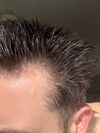
A 33-year-old male is experiencing thinning at the temples and hairline, with increased shedding over the past year. The user suspects androgenetic alopecia (AGA) despite AI suggesting a maturing hairline.
A user noticed baby hairs after combing out locs and has been applying castor, rosemary, and peppermint oil daily. They are curious about progress, sharing photos from different stages.
Hair loss discussion mentions losing 50 strands daily as normal, but varies for individuals. Some users joke about hair loss in other areas, while others emphasize individual differences and hair cycle length.
A 40-year-old male using 1mg finasteride and Costco liquid minoxidil for almost 2 months reports noticeable improvement in hair regrowth, though his temples remain recessed. Encouragement from others suggests continued use will yield further progress.
Hair cloning is being developed by companies like Kangstem Biotech and Stemson, with potential availability in a few years. Initial costs are expected to be high, but prices may decrease over time.
The conversation discusses a user's progress with hair regrowth after using Hims minoxidil and finasteride chews for 2.5 months, with some users expressing skepticism about the rapid results. The user also takes biotin, vitamin B5, vitamin B6, and vitamin C in a daily pill.
A user wants to make a solution for RU58841 and finasteride powder using only glycerin and asks if ethanol is necessary. They are seeking advice on whether glycerin alone is sufficient.
User on fin, minox, and ketoconazole seeks to add another topical anti-androgen. Hierarchy of effectiveness: 1. RU55841, 2. Fluridil - Eucapil, 3. CB-03-01 - Breezula, 4. Ketoconazole; alfatradiol suggested as addition.
The conversation discusses interest in participating in PP405 trials for hair loss treatment, with users expressing uncertainty about eligibility due to location. Participants are eager for updates and willing to pay for shipping if trials are limited to America.
The conversation is about a user's progress with an oral treatment for hair loss using a stack of finasteride, minoxidil, and biotin over two months, noting stabilization after an initial shed. The user mentions using Hims Chews, which are effective but costly, and another user comments that biotin is ineffective.
Sulforaphane, found in broccoli sprouts, promotes hair growth by degrading DHT. Users discuss its potential benefits and joke about unconventional application methods.
ShaneMorcs shared updated hair comparison photos and believes he's made progress. People commented on his improvement, asked about potential side effects, and inquired about the treatments he's using.
A user with diffuse hair loss for a decade tried various treatments, including LLLT Helmet, supplements, topicals, and hair transplants. They found relief from scalp inflammation and itching using a topical solution made from crushed Xeljanz pills mixed with ethyl alcohol.
The user has been using finasteride, minoxidil, and a derma stamp for 3 months with significant improvement. They are now adding ketoconazole to their routine.