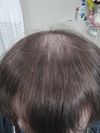
Experimenting with the effects of creatine and finasteride on DHT levels, as well as a discussion regarding the potential link between creatine supplementation and hair loss.
The user is experiencing severe hair loss, possibly due to telogen effluvium, after stress, poor nutrition, and hormonal changes. They are using Nizoral and supplements but are considering hormonal treatments like spironolactone despite previous side effects.
The user experienced sexual side effects from a topical finasteride and minoxidil combo and stopped using it after three weeks. They plan to use foam minoxidil nightly to slow hair loss and seek alternative treatments that don't affect sexual health.
The user is experiencing hair loss, possibly due to androgenic alopecia or telogen effluvium, and is considering treatments like Minoxidil, Finasteride, or RU58841. They also mention potential iron deficiency and sleep deprivation as contributing factors.
The user is experiencing diffuse thinning and inflammation despite using 2.5mg dutasteride daily, ciclopirox, and ketoconazole shampoos. They are considering treatments like hydroxychloroquine and JAK inhibitors due to suspected scarring alopecia and have faced challenges in obtaining a scalp biopsy.
A satirical discussion on intentionally inducing hair loss using harmful habits and substances like cigarettes, junk food, anabolic steroids, and stress. The conversation humorously suggests extreme measures like chemotherapy and hydrofluoric acid, while also mentioning the ineffectiveness of sulfates and pumpkin seed oil in hair loss prevention.
Ramsko1's experience with a hair loss regimen of oral minoxidil, dutasteride, ketoconazole cream, and dermarolling, which they started after considering taking their own life due to hair loss. Other users replied to offer support and ask questions about specific treatments.
The user has been treating hair loss for 2.5 years using finasteride, dutasteride, oral and topical minoxidil with tretinoin, and microneedling, but is experiencing shedding and is unsure if further improvement is possible. Another person shared a similar experience with no gains despite similar treatments.
The conversation discusses concerns about using cordyceps while on dutasteride due to potential DHT increase, with OP experiencing hair loss after using creatine. OP is advised to stop creatine and give dutasteride more time to evaluate its effectiveness.
The user is concerned about high DHT levels despite using finasteride and dutasteride for hair loss, suggesting these treatments may not be effective. They plan to consult an endocrinologist and consider other antiandrogens, acknowledging potential side effects.
The user is considering a hair transplant for crown hair loss but is anxious about recovery and results. They are debating whether to try oral minoxidil for 6-12 months before surgery and whether to address their hairline during the transplant.
A 23-year-old experiencing severe diffuse thinning after scalp inflammation is considering finasteride as a last resort after stopping minoxidil and using anti-inflammatory medication. Users suggest that inflammation causes temporary shedding and recommend consulting a dermatologist, with some advocating for finasteride as a reliable treatment option.
A user is experiencing hair loss despite using finasteride, minoxidil, microneedling, tea tree oil, and nizoral. They are considering switching to dutasteride due to an upcoming move to Japan.
The conversation humorously suggests that doing daily handstands can regrow hair by improving blood flow to the scalp, dismissing traditional treatments like finasteride and minoxidil. It satirically claims that gravity is the real cause of hair loss, with users joking about the effects of gravity on hair growth.
The user is struggling with hair loss and has tried treatments like finasteride, minoxidil, and hair systems, each with drawbacks. They are considering retrying finasteride before a hair transplant and are advised to seek therapy for mental health support.
A 24-year-old male is experiencing hair thinning and feels hopeless, considering treatments like finasteride and minoxidil but is concerned they might not work. He is also contemplating a dermatologist visit and is unable to afford a hair transplant.
Hair loss affects confidence, with discussions on treatments like finasteride, minoxidil, and RU58841. Emphasis is placed on self-acceptance and building confidence beyond appearance.
The conversation discusses potential vitamin deficiencies leading to hair loss, with a focus on Vitamin D and iron. Some individuals are using finasteride and minoxidil for hair loss, while others consider vitamin supplementation due to deficiencies.
The conversation discusses alternatives to 5AR inhibitors for hair loss treatment, suggesting options like minoxidil, KX-826, pyrilutimide, microneedling, and topical bicalutamide. Concerns about side effects and the effectiveness of these treatments are also highlighted.
The user experienced significant hair loss after 9 months of using 0.5mg dutasteride and oral minoxidil, possibly due to alopecia areata. It is advised to consult a doctor for accurate diagnosis and treatment, as dutasteride and finasteride may not be effective.
RU58841 caused chest tightness, throat irritation, and headaches, leading the user to stop its use. The user plans to restart with a lower dose if symptoms fully disappear but remains cautious due to anxiety and side effects.
A 24-year-old male has been using 0.5mg finasteride, 5% minoxidil twice daily, iron and zinc supplements, derma rolling weekly, and Nizoral weekly for hair loss. Despite these treatments, he experiences tight, painful scalp areas with no progress and some hair loss.
RU58841 is used by some for hair loss when finasteride and minoxidil are ineffective. Users report mixed results, with some experiencing side effects like chest pain and mood changes.
The user experienced hair loss issues after switching from finasteride to dutasteride and back, with stress and seborrheic dermatitis affecting hair quality. They plan to continue finasteride, treat seborrheic dermatitis, and monitor nutrient levels, considering low-dose oral minoxidil if safe.
An 18-year-old male using minoxidil and finasteride is experiencing increased hair loss, possibly due to a shedding phase from finasteride. He also takes zinc, magnesium, calcium, and vitamin C, and is concerned about hair loss from his temples.
The user is experiencing significant hair loss and has been using 5% minoxidil for 11 months, finasteride for nearly 6 months, and gel tretinoin for 4 months, with inconsistent use of ketoconazole shampoo. Despite these treatments, they are losing 200-250 hairs daily and are concerned about the lack of stabilization and potential continuous hair loss.
An SSRI (paroxetine) reduced hair loss and itching for a user with male-pattern baldness, but liver issues forced discontinuation, leading to increased hair loss and anxiety. The user plans to try other anti-anxiety medications, noting stress and anxiety significantly impact hair loss.
Stem cell hair restoration lacks scientific evidence and is often considered a scam. Effective hair loss treatments include hair transplants, Minoxidil, and Finasteride, but stem cell treatments are not proven.
The user experienced severe side effects from oral finasteride, including sexual dysfunction and mental health issues, and switched to topical finasteride, which led to significant hair shedding. They are considering other treatments like RU58841 or topical dutasteride and are advised to check testosterone levels and address potential underlying health issues.
A 22 year old man who is experiencing hair loss, thinning and dry scalp, has tried treatments such as finasteride and minoxidil, and other users sharing their experiences with similar issues.