Dutasteride may affect testosterone levels, leading to high ferritin and iron levels, which can cause hair loss. High ferritin might be linked to past heavy drinking or hemochromatosis.
A user created a web app called TrichoMetrics to track hair loss using photos and metrics like density and thinning. The app supports tracking treatments like Minoxidil and finasteride, with features for setting baselines, comparing progress, and logging treatment adherence.
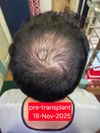
A 28-year-old male shares his 7-month progress after a crown hair transplant, using topical minoxidil foam, finasteride, and microneedling. He seeks feedback on whether his crown's progress is typical and if further thickening is expected between months 7 and 12.
N-Acetyl-Cysteine (NAC) is being explored for treating hair loss, but users report mixed results. Some also mention using Quercetin and Resveratrol without significant hair improvement.
The user experienced significant hair regrowth using 1mg oral finasteride, DIM, and beetroot powder, while also focusing on gut health and reducing alcohol intake. Other users discussed the importance of iodine, fermented foods, and maintaining a balanced diet for overall health and hair improvement.
Slow_Class_4465's progress using finasteride and minoxidil to address hair loss, which has resulted in drastic improvement. Other users have shared their experiences with the treatments, including possible side effects.
The conversation discusses various treatments for hair loss, including finasteride, minoxidil, keto shampoo, derma stamping, vitamin D, and dutasteride. It also mentions lifestyle changes like exercise, quitting smoking, and dietary supplements.
The conversation discusses the role of NADPH in hair loss and the potential impact of creatine and B complex vitamins on hair shedding. The user theorizes that increasing NAD levels with B complex vitamins may reduce hair shedding, despite using finasteride and minoxidil for 9 months.
The user has androgenetic alopecia (AGA) and low Vitamin D levels, and they started using topical minoxidil (5%). They are considering finasteride but are concerned about side effects and are advised to seek mental health support.
The user reported solid results after 5 months of using 1.25mg finasteride daily, with minimal sexual side effects and some hair regrowth at the hairline. They discontinued minoxidil due to its greasy effect on their hair.
A user shared their 2-month progress on finasteride 1mg daily and weekly derma rolling, showing noticeable hair regrowth. Replies confirm visible improvement, though some attribute it partially to lighting.
Topical pirfenidone is highlighted as an effective anti-inflammatory and anti-fibrotic treatment for hair loss, particularly in addressing perifollicular fibrosis, which may enhance the effectiveness of standard treatments like finasteride and minoxidil. The user also uses calcipotriol, MCT oil, ciclopirox shampoo, and benzoyl peroxide shampoo as part of their regimen.
The conversation discusses why CB-03-01, a potential hair loss treatment, isn't widely discussed despite evidence of its effectiveness and safety. Some users mention other treatments like melatonin, procianidin b2, and RU58841, debating their effectiveness and safety.
The conversation is about hair regrowth progress using topical finasteride 0.1%, minoxidil 10%, ketoconazole shampoo, and weekly microneedling. The user plans to continue the treatment for another year to assess its effectiveness.
The conversation discusses whether creatine causes hair loss for those using finasteride or dutasteride, with some suggesting creatine might increase DHT or upregulate androgen receptors, potentially leading to hair loss. Others argue the evidence is not conclusive, citing limited studies and personal anecdotes, with some avoiding creatine as a precaution.
Dutasteride improved the user's hair thickness and health, slowed body and facial hair growth, and enhanced skin condition. The user also reported feeling energetic with a slight decrease in libido but no issues with sexual function.
The user experienced significant hair maintenance using 0.25mg daily finasteride and minoxidil foam, with minimal side effects. They recommend oral finasteride for better results, especially for the crown area.
The user is using finasteride 1.25mg three times a week for hair regrowth and reports no significant side effects except watery semen initially. They also use a local caffeine shampoo and are considering haircuts to improve appearance.
DHT is important for sexual function and mood, but finasteride and dutasteride can reduce DHT, causing side effects like reduced libido and erectile dysfunction. These treatments are effective for hair loss, but their impact on DHT leads to debate.
The user is using minoxidil, topical finasteride, Nizoral shampoo, and a dermaroller for hair regrowth but is experiencing changes in sexual function. They are concerned about whether these changes are due to the treatment and are seeking advice on continuing hair growth without affecting sexuality.
User is excited about hair regrowth progress after 3 months using finasteride, minoxidil, dermarolling, and biotin. Initial side effects included chest tightness and faster heartbeat, but none persist.
The conversation is about a finding that finasteride does not significantly increase the risk of sexual dysfunction, with users sharing mixed personal experiences regarding side effects.
The release of a study on 5a-reductase inhibitors (finasteride and dutasteride) which showed an increased risk of depression, dementia, decreased libido, and reduced semen load as potential side effects; discussion around other forms of hair loss treatments such as topical minoxidil, RU58841, or opting to accept baldness; and advice to consider professional help for deeper issues related to hair loss.
Using finasteride and peptides, including GHK-Cu, improved hair thickness and regrowth. The user also used a KLOW blend and CJC/IPA for better sleep and recovery.
PP405 targets hair follicle stem cells differently than exercise-induced lactate, suggesting exercise alone may not replicate its benefits. Minoxidil and finasteride are recommended alongside exercise for hair regrowth, with additional suggestions like spicy food and infrared exposure.
A 28-year-old male noticed hair thinning and is considering treatments like minoxidil and finasteride but is concerned about finasteride's potential effects on epilepsy. He has tried microneedling, tretinoin, and minoxidil with slight improvement.
A 26-year-old male experienced hair regrowth and increased density after 6 months using oral finasteride and minoxidil tablets, along with a derma pen, multivitamins, omega-3, creatine, and L-citrulline. He plans to add RU58841 soon and is hopeful for further improvement.
Adding caffeine to topical minoxidil is unlikely to enhance its effectiveness, with most users agreeing it has minimal impact. The main treatments discussed are minoxidil and finasteride, with some users adding other ingredients like azelaic acid and retinol.
A 36-year-old started using finasteride (0.3-0.5mg daily), 5% minoxidil foam, and weekly dermarolling/dermapen treatments to address hair loss. They also began taking supplements for low ferritin and vitamin D, hoping to improve hair thickness and cover a bald spot.
An 18-year-old male with hair loss is considering starting finasteride but is concerned about potential side effects like gynecomastia due to his prolactin levels. He seeks guidance on whether his bloodwork indicates it's safe to begin treatment.