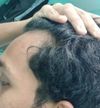
Switching from Arimidex to Raloxifene worsened hair loss despite using Dutasteride. The user added oral Minoxidil, dermastamping, and RU58841 to their regimen to address the issue.
Creatine is believed by some to cause hair loss, potentially by increasing DHT levels, despite conflicting evidence. Users report mixed results when combining creatine with treatments like finasteride, dutasteride, and minoxidil.
The user has been using finasteride for hair loss and is considering adding RU58841. They ask about RU58841's effectiveness, potential heart side effects, duration of action, dosage increase over time, transitioning to GT20029, and where to find the liquid form.
Exosome hair therapy involves injecting stem cell-derived exosomes into the scalp to boost hair follicle regeneration and repair. Exosomes, which are not stem cells but products of them, contain bioactive chemicals and specific growth factors that promote new blood vessel formation, increase cell proliferation, reduce inflammation, and improve tissue repair, all crucial for hair health.
Clascoterone lotion, being tested in Germany, is as effective as Minoxidil and Finasteride for hair loss but without serious side effects. About 400 men participated in the trials.
The conversation is about whether creatine causes hair loss in individuals who are taking finasteride or dutasteride for hair loss. Some users report experiencing hair loss when taking creatine, while others do not. There is no consensus on the issue.
Using a low dose of topical Tamoxifen effectively reduces gynecomastia caused by finasteride, with minimal side effects. The solution involves mixing Tamoxifen with ethanol and propylene glycol, applied daily to the chest.
Creatine is reported to cause increased hair shedding, but there is no scientific evidence linking it to hair loss. Some users manage hair loss with finasteride and minoxidil or consider stopping creatine if shedding worsens.
The user experienced no improvement in hair loss after using a dermatologist's minoxidil 10% and finasteride 0.1% solution, clotrimazole, daily dermarolling, and multivitamins. They plan to switch to oral finasteride and reduce dermarolling to once a week.
A user is concerned about low testosterone while using finasteride 0.625mg MWF and considers ashwagandha for stress. Others suggest exercise, magnesium, and not worrying about testosterone levels if no significant side effects are felt.
A 19-year-old male plans to start finasteride due to hair thinning after using creatine. He seeks advice on finasteride's effectiveness, especially for Asians.
A user experienced hair thinning and increased shedding after starting a high-dose B-complex supplement while using Minoxidil and RU58841. They are seeking advice on whether others have had similar issues with high doses of Vitamin B3 and B5.
A new technique developed by scientists in Japan to reverse balding using hair follicle cell transplants, and the discussion around the effectiveness of this approach compared to other treatments such as Minoxidil, finasteride, RU58841, Replicel, and Hairclone.
Epibiotech will offer off-the-shelf allogeneic hair multiplication treatment in South Korea, using dermal papilla cells from donors to grow hair in balding areas. This method is cheaper and less invasive than traditional hair transplants.
A 20-year-old is experiencing hair loss and is using finasteride, ketoconazole, and topical minoxidil. They suspect retrograde alopecia due to hair loss on the sides and nape, despite noticing some hair thickening on top.
The user is experiencing severe hair loss, possibly due to telogen effluvium, after stress, poor nutrition, and hormonal changes. They are using Nizoral and supplements but are considering hormonal treatments like spironolactone despite previous side effects.
Finasteride can cause gynecomastia, which may be reversible by stopping the drug and using selective estrogen receptor modulators (SERMs) like tamoxifen. Lifestyle changes such as weight loss and avoiding alcohol can also help, but surgery may be needed if the condition persists.
Transplanted hairs are thinning after switching from topical to oral minoxidil, with increased shedding and miniaturization. The user is considering reintroducing topical minoxidil and has started using ketoconazole shampoo.
An 18-year-old noticed significant hairline recession and is concerned about further hair loss. They plan to improve their lifestyle and are advised to use finasteride and minoxidil and consult a dermatologist.
Kevin's YouTube channel was terminated due to a trademark claim, causing frustration among users who found his hair loss content helpful. Many users expressed support for Kevin, mentioning treatments like finasteride and dutasteride, and hoped for his channel's reinstatement.
Hair loss may be linked to blood flow and inflammation, with treatments like Minoxidil, finasteride, and quercetin being discussed. The conversation also mentions the role of 5AR enzyme distribution in hair follicles.
A 28-year-old male is using Minoxidil 5% with tretinoin and azelaic acid for hair loss and is considering finasteride but is concerned about side effects. He seeks advice on recovering his temple area.
Using both finasteride and dutasteride for hair loss is debated, with some seeing it as beneficial during transition, while others find it redundant and risky. Oral minoxidil raises concerns about blood pressure, with a preference for topical use and microneedling for better results.
A user experienced severe side effects, including heart-related symptoms, after increasing their oral minoxidil dosage to 5 mg, leading them to stop the medication and seek medical advice. Many users advised against high doses of oral minoxidil, suggesting anxiety as a possible cause, and recommended consulting a doctor or switching to topical treatments.
The conversation is about a user trying a new hair loss treatment, Ruxolitinib, alongside their existing regimen of finasteride, minoxidil, ketoconazole shampoo, and microneedling. They plan to apply Ruxolitinib to their temples daily for 1-2 months.
User found 15% procyanidin B2 supplement and asks if it's legit. Recommended dosage is 400-600mg daily, similar to study, and user wonders if it's effective for hair loss.
Clascoterone is promising for hair loss, showing 24.5% improvement in satisfaction compared to placebo. Users consider it an alternative to finasteride, with concerns about absorption and side effects.