A user reports persistent sexual side effects three months after stopping finasteride, despite a healthy lifestyle and supplements. They express concern over the lack of libido and infrequent erections.
Alfatradiol is discussed as a weak 5ARI and estrogen, not as effective as minoxidil, RU58841, or CB-03-01, but a safe alternative for those who can't use finasteride. Users express frustration over the lack of strong FDA-approved topical antiandrogens for hair loss.
Low testosterone and estradiol may contribute to hair loss, and blocking DHT without sufficient hormone levels might hinder regrowth. The discussion highlights the importance of hormone balance, with some considering supplements and lifestyle changes to support hair health.
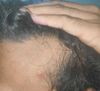
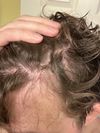
The conversation is about a user's four-month progress using finasteride, minoxidil, and weekly dermastamping for hair loss. People occasionally notice improvements in the user's hair.
DHT may inhibit hair growth by affecting mitochondrial function, leading to hair follicle miniaturization. Treatments like minoxidil and PP405 may promote hair growth by altering metabolic pathways, potentially counteracting DHT's effects.
The user experienced improved hair density and thickness after using finasteride and dermarolling for 2.5 years but noticed hair loss when doing anaerobic exercise. They increased their finasteride dose and continued dermarolling but are considering not starting minoxidil due to its perceived hassle and uncertain long-term benefits.
Alfatradiol is used by some for hair loss, often alongside treatments like finasteride, RU58841, and minoxidil, but its effectiveness is unclear. Some users report no significant improvement, while others note reduced sebum production but experience side effects like gallbladder pain.
The user is experiencing noticeable hair thickening after 4 months of using a topical spray combining minoxidil and finasteride, with no side effects reported. They are considering adding derma rolling to their routine and may switch to oral tablets in the future.
The user is concerned about hair loss and is using treatments like dutasteride, microneedling, and topical finasteride, while considering adding RU58841. They are also using Minoxidil on the temples and are worried about testosterone-related hair loss.
OP is experiencing severe side effects from daily Minoxidil, Dutasteride, and Biotin use and is considering reducing Minoxidil to once or twice a week. A response advised seeing a doctor due to heart-related issues.
A user is concerned about hair thinning and is using minoxidil, considering finasteride, and planning blood tests to rule out deficiencies. They are advised to consult a dermatologist to confirm if androgenic alopecia is the cause before starting finasteride.
The user uses a 1.5mm derma stamp weekly for hair loss and applies minoxidil afterward, feeling a slight burn but no bleeding. They question if bleeding, seen in others using a derma pen, indicates proper technique.
Exercise has minimal impact on hair loss, with weight lifting slightly increasing DHT and cardio potentially decreasing it. Finasteride and dutasteride are effective treatments for managing hair loss, even for those who exercise regularly.
Balding scalps have more androgen receptors, leading to increased TGF-beta, which causes blood vessel loss and hair follicle miniaturization. Blocking androgen signaling and TGF-beta may help prevent hair loss.
How diffuse unpatterned alopecia (DUPA) is not an invitation to self-diagnose oneself with aggressive AGA and that seeking a specialized dermatologist may help people experiencing hair loss. Treatment options discussed include topical clobetasol propionate, oral minoxidil, and discontinuing finasteride.
The user believes Retrograde Alopecia may be linked to vitamin imbalances, specifically from taking too much Vitamin E, A, Zinc, and Selenium, and suggests it could be a middle ground between Androgenic Alopecia and Telogen Effluvium. Treatments for hair loss mentioned include Androgen inhibitors and improving lifestyle factors like nutrition and sleep, with topical melatonin also recommended for Retrograde Alopecia.
Experimenting with the effects of creatine and finasteride on DHT levels, as well as a discussion regarding the potential link between creatine supplementation and hair loss.
The user suspects scarring alopecia and is exploring NSAIDs and turmeric/pepper for inflammation-related hair loss, having experienced burning and thinning with finasteride and testosterone reduction. They are seeking feedback while unable to afford a dermatologist.
The conversation is about a user experiencing hair thinning potentially due to excessive microneedling while using finasteride and minoxidil. Many suggest reducing microneedling frequency and considering alternative treatments like dutasteride or a hair transplant.
P-1075 is a more potent hair growth agent than Minoxidil, but it poses significant heart risks, making it unsafe for use. Despite promising results in macaques, concerns about its cardiotoxicity in rats have halted its development.
A 35-year-old male experiences rapid hair loss on his head and body despite normal test results for testosterone, thyroid, and vitamins. He previously used topical minoxidil and retinol, and doctors have been consulted without finding a clear cause.
The method combines finasteride, minoxidil, intense leg exercises, and cold exposure to treat androgenetic alopecia. It aims to boost metabolism and reduce androgenic effects, enhancing hair growth.
The conversation discusses the struggle with diffuse hair thinning and the effectiveness of treatments like finasteride, minoxidil, and RU58841. Users share experiences of hair thickening and shedding stopping with these treatments, but results vary and some are skeptical.
A 22-year-old male using finasteride, minoxidil, and derma stamping for one month reports progress in hair loss treatment. He also uses vitamin D, omega-3, beta carotene, tongkat ali, and ag powder, and maintains an active lifestyle.
Using a derma stamp instead of a derma roller for hair growth is more effective and less damaging. The user experienced hair improvement with oral finasteride, topical minoxidil, and a derma stamp.
The effects of smoking cigarettes on DHT levels and its potential effect on hair loss, with some people sharing experiences in relation to their own hair loss. Various treatments for reducing or reversing hair loss were discussed, such as quitting smoking, minoxidil, finasteride and RU58841.
The conversation is about treatments for androgenetic alopecia, focusing on hyperresponders. Treatments include Minoxidil, finasteride, RU58841, leg training, and cold therapy.
A user is experiencing side effects like less hard erections and sensitive nipples while on finasteride, with bloodwork showing high prolactin levels. They are seeking suggestions to address the prolactin issue.
The post and conversation are about the long-term side effects of using Dutasteride and Finasteride for hair loss, including issues like raised liver enzymes, high cholesterol, and loss of libido. The user advises regular blood work and careful monitoring for those using these treatments.