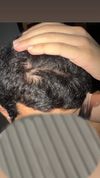
A 23-year-old male experienced hair thinning and side effects from finasteride and minoxidil. He found improvement in hair health and other symptoms by using mouth tape at night, suggesting better oxygen intake might help with hair loss.
GT20029 is a topical treatment that degrades androgen receptors to prevent hair thinning and loss, potentially offering fewer side effects than systemic treatments like finasteride. Concerns include its impact on hair texture and potential systemic effects, with market availability speculated in 3 to 5 years.
A 21-year-old started using topical finasteride and minoxidil for hair loss and experienced side effects like reduced libido, weaker erections, and sleep issues after one month. They are concerned and seeking advice on whether these effects will subside or if they should adjust the treatment frequency.
The conversation discusses the use of RU58841 for hair loss, focusing on its side effects, standardization issues, and user experiences. The user also inquires about the use of other treatments like minoxidil, finasteride, and microneedling.
A user is considering switching from oral to topical treatments for hair loss due to side effects like watery semen and erectile dysfunction. They are currently using oral finasteride and minoxidil and are concerned about potential sexual side effects with topical use.
The conversation discusses whether individuals using hair loss treatments like Dutasteride (Dut) or Finasteride (Fin) should regularly check their hormone levels through bloodwork. Some argue it's important to monitor the effects of these medications on hormone levels, while others believe it's unnecessary if there are no side effects, citing cost and practicality concerns.
The user is experiencing hairline thinning despite using finasteride, minoxidil (solution and foam), dermastamping, and tretinoin. They suspect minoxidil or tretinoin might be causing the issue but are unsure.
User is experiencing hair thinning and sebum overproduction after starting finasteride and a hair growth supplement containing biotin, iron, zinc, and calcium. They suspect the finasteride might be fake but have noticed a side effect of watery semen.
People discuss hair loss treatments like finasteride, dutasteride, and minoxidil, debating side effects and effectiveness. Concerns about side effects, especially sexual ones, are common, with varying opinions on dosing strategies.
The user is concerned about hair loss despite using oral finasteride, oral minoxidil, and topical minoxidil. They are seeking advice on additional blood tests to identify potential causes.
Young men often lack awareness of hair loss treatments like finasteride and minoxidil, causing stress and anxiety. There is a need for increased awareness and early screening to address the psychological effects of hair loss.
A 20-year-old female with PCOS is experiencing hair loss and excessive facial hair. She is using ketoconazole and caffeine shampoos, microneedling, and considering anti-androgens like finasteride, but is cautious about minoxidil due to facial hair concerns.
Creatine may contribute to hair loss, and users suggest avoiding it or using DHT blockers like Saw Palmetto and green tea. Some users report personal experiences of hair loss after starting creatine, while others advise focusing on consistent exercise instead.
A 20-year-old is concerned about potential hair loss and is seeking advice on whether to be worried about their current hairline, considering family history. They are contemplating treatments like Minoxidil, finasteride, or RU58841 but have not committed to any yet.
A young man is considering using Minoxidil and Finasteride for hair loss and is concerned about potential side effects like cognitive issues. Responses suggest focusing on self-confidence, trying Finasteride if hair loss is a major concern, and considering shaving his head as an alternative.
Minoxidil and caffeine are discussed for hair loss treatment. The user questions the logic of combining them due to their opposing effects on adenosine receptors.
Trans woman experiences hair thinning despite low testosterone and treatments like finasteride and microneedling. Possible causes discussed include past eating disorder and current stack of medications and supplements.
The user has not seen results from various hair loss treatments including finasteride, dutasteride, minoxidil, and others over several years and is considering adding RU58841 and starting hormone replacement therapy. They are also experiencing anxiety and contemplating moving to a more accepting environment for their nonbinary identity.
The user believes Retrograde Alopecia may be linked to vitamin imbalances, specifically from taking too much Vitamin E, A, Zinc, and Selenium, and suggests it could be a middle ground between Androgenic Alopecia and Telogen Effluvium. Treatments for hair loss mentioned include Androgen inhibitors and improving lifestyle factors like nutrition and sleep, with topical melatonin also recommended for Retrograde Alopecia.
The conversation discusses a user's plan to inject NAD+ and GHK-Cu into their scalp to improve hair health, with concerns raised about the risks of infection and necrosis. Alternatives like finasteride, dutasteride, microneedling, oral minoxidil, and scalp massages are suggested.
The user is experiencing asymmetrical hair loss at the frontal hairline and is concerned about potential conditions like frontal fibrosing alopecia. They have started using finasteride and pumpkin seed oil to address the issue.
The user experienced severe side effects from finasteride, including panic attacks and suicidal thoughts, and is seeking alternative hair loss treatments. They have been using oral finasteride and topical minoxidil.
A 17-year-old is concerned about potential hair loss due to maternal genetics and wonders if treatments like Minoxidil, Finasteride, or RU58841 will be effective. They hope their paternal genetics will help prevent hair loss or make treatments more effective.
The user experienced rapid diffuse hair thinning for five years despite no signs of AGA or miniaturization. They tried finasteride and oral minoxidil without success and have checked thyroid, iron, and vitamin D levels.
The user has been using finasteride and minoxidil, then switched to dutasteride and minoxidil for six months without significant results, noticing thinning after increasing creatine dosage. They plan to consult a dermatologist to explore potential causes beyond androgenetic alopecia.
Clascoterone 5% solution is discussed as a potential new treatment for hair loss, offering an alternative for those who can't use finasteride or need additional options beyond minoxidil. Concerns about cost, effectiveness, and safety compared to existing treatments like RU58841 and finasteride are highlighted.