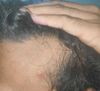
Minoxidil and caffeine are discussed for hair loss treatment. The user questions the logic of combining them due to their opposing effects on adenosine receptors.
A 15-year-old experiencing hair loss and anxiety is using minoxidil and microneedling but is advised against starting finasteride or dutasteride due to age. The discussion emphasizes consulting a doctor, considering hormonal evaluations, and exploring non-medication coping strategies.
A 26-year-old male with early hair thinning is using finasteride, topical minoxidil, and supplements for deficiencies in iron, B12, and vitamin D3. He is considering adding oral minoxidil to his treatment plan.
Applying hair loss treatments like minoxidil and finasteride, with concerns about side effects and application timing. Some users experience side effects, while others manage without issues, and there's interest in future treatments like pyrilutamide.
The conversation discusses the difficulty in distinguishing between side effects of finasteride (like brain fog and loss of libido) and depression caused by hair loss. Users share experiences of severe depression while on finasteride, leading some to stop the treatment despite anxiety over hair loss.
A 30-year-old woman with a history of anemia and low vitamin D experienced hair shedding, which improved after addressing nutrient deficiencies. Despite regrowth of terminal hairs, her dermatologist recommended treatments like minoxidil and spironolactone to prevent future bald spots, but she is cautious due to family history of hormone-related cancers.
The user experienced severe scalp itching and hair loss while on dutasteride, which they linked to caffeine and masturbation. They plan to cut out both to see if their hair density improves.
The user's experience with oral minoxidil, which resulted in under-eye wrinkles; other users sharing their experiences and advice regarding hair loss treatments such as topical minoxidil, finasteride, RU58841, and collagen supplementation.
User quit minoxidil and finasteride, starting stemoxydine, dermastamp, and dermapen for hair loss. Seeks advice on alternatives, avoiding androgen disruptors and vasodilators/vasoconstrictors.
The conversation is about a user planning a blood test to monitor health while on hair loss treatments: Finasteride, Minoxidil, and Dutasteride. Recommendations include testing for androgens, thyroid function, micronutrients, and basic health markers, with additional suggestions for PSA, prolactin, and estradiol.
The user completed their first month using oral finasteride and topical minoxidil without issues but is concerned about a 2-3 day gap in their finasteride supply affecting progress. They are also seeking advice on obtaining a multi-month supply.
Finasteride's long-term risks are often exaggerated; studies showing negative effects typically involve high doses or animal subjects. For those taking 1mg daily for hair loss, there is no significant evidence of severe side effects.
The user has not seen results from various hair loss treatments including finasteride, dutasteride, minoxidil, and others over several years and is considering adding RU58841 and starting hormone replacement therapy. They are also experiencing anxiety and contemplating moving to a more accepting environment for their nonbinary identity.
The emotional impact of hair loss and the risks associated with common treatments such as finasteride, dutasteride, minoxidil, RU58841, and Fluridil. People discussed their personal experiences with these treatments, including potential side effects and lowered fertility. Hair transplants were also mentioned as a possible solution.
A 19-year-old male shared his negative experience with finasteride, including side effects like vision issues, genital changes, pain, swollen lymph nodes, and mood alterations, which resolved after stopping the medication. He suggests alternative hair loss treatments like exercise, diet, possibly avoiding masturbation, topical anti-androgens, and dermarolling, emphasizing mental health over aesthetics.
The user is concerned about high LH and estradiol levels after using finasteride but reports no side effects. They are seeking advice on whether these levels are concerning despite feeling fine.
Hair loss can be influenced by nutritional deficiencies, particularly low Vitamin D and fatty liver, and improving nutrition and lifestyle can strengthen hair. Treatments suggested include regular exercise, a balanced diet, vitamin supplements, and coconut oil massages, while acknowledging that hereditary factors may also play a role.
A young male in his twenties discusses hair loss, mentioning the use of Minoxidil, topical finasteride, and occasional derma rolling. He inquires about scalp inflammation, fibrosis, and the potential benefits of magnesium oil and scalp massages for improving blood flow and hair health.
Coffee's effect on hair loss is debated, with some suggesting it may exacerbate hair loss due to vasoconstriction, while others believe it could have positive effects. Topical caffeine might be beneficial, but ingesting it could potentially inhibit vitamin D receptors.
The user has been taking 1mg of finasteride every other day for two months, experiencing improved hair quality but disrupted sleep. They are seeking advice on whether the sleep issues will improve with continued use or if they should stop the medication.
The conversation is about a 17-year-old experiencing severe hair thinning and the advice given is to see a dermatologist or doctor to check for underlying health issues or to start treatment early if it's male pattern baldness.
Finasteride and dutasteride have potential risks, including post-finasteride syndrome, but are commonly used for hair loss. RU58841, minoxidil, and needling are suggested as alternatives, though all treatments carry risks.
A user is concerned that prolonged use of valisone (betamethasone) and clotrimazole solution for scalp dermatitis may be causing hair thinning and loss. They noticed thinning in the area where the solution was applied.
The conversation discusses hair loss treatments without using Minoxidil, Finasteride, or Dutasteride, focusing on addressing hormonal issues and low ferritin levels. Suggestions include consulting a hematologist, checking for vitamin D deficiency, thyroid issues, anemia, and considering serums with copper peptides.
Microneedling stimulates hair growth through stem cell activation during wound healing, not just increased blood flow. Other methods like showers or supplements don't replicate this effect.
The conversation discusses the use of creatine while on finasteride and/or dutasteride for hair loss. Opinions vary, with some users reporting no issues and others experiencing accelerated hair loss, suggesting effects are individual.
Switching from finasteride and topical minoxidil to oral minoxidil and dutasteride worsened hair condition, leading to frustration and heart issues, prompting a return to topical treatments and the addition of tretinoin. Patience and consistency are advised, as these treatments can take years to show results, and abrupt changes may cause shedding.
A user is concerned about hair thinning and is using minoxidil, considering finasteride, and planning blood tests to rule out deficiencies. They are advised to consult a dermatologist to confirm if androgenic alopecia is the cause before starting finasteride.
The conversation is about a 19-year-old female experiencing hair loss, potentially due to deficiencies in iron, ferritin, and vitamin D. She is considering iron and vitamin D supplementation and exploring dietary changes, while also planning to consult a dermatologist when possible.
A 27-year-old male is experiencing a recurring pattern of hair loss after 5 months of using oral minoxidil and finasteride, despite initial success. He is considering using topical androgen receptor blockers like RU58841, pyrilutamide, or clascoterone to address potential androgen receptor hypersensitivity.