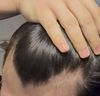
A user trying to avoid an expensive hair transplant, and the replies suggesting they wait two years on treatment before deciding if they need a transplant or not.
An 18-year-old is maintaining a stable hairline using Minoxidil, topical finasteride (Fynzur), and Dermastamp, and is considering adding oral finasteride for prevention. They seek advice on whether starting oral finasteride early is necessary given their family history and current regimen.
The user experienced side effects like heart palpitations, chest tightness, and fatigue from using 5% minoxidil foam once daily. They are considering switching to a 2% concentration due to lingering symptoms like lightheadedness and brain fog.
A user started using oral minoxidil (2.5 mg) and dutasteride (1 mg) for hair loss three months ago and noticed no side effects, possibly due to regular exercise. They speculate a possible link between COVID-19 and accelerated hair loss.
The conversation discusses using a lipodermal solution for hair loss, with concerns about side effects from multiple active ingredients. Users mention experiences with minoxidil, finasteride, and dutasteride, noting side effects like brain fog and sexual issues.
User obsessed with hair loss prevention shares collection of treatments, including oral and topical finasteride, minoxidil, dermapen, and more. Others suggest adding RU58841, laser helmet, and PRP, while some advise dropping certain treatments for long-term manageability.
Finasteride users have mixed experiences with creatine; some experience increased hair loss, while others do not. Finasteride's DHT-blocking effects might counteract any DHT increase from creatine, but individual responses vary.
The user is seeking advice on a hair loss treatment called Ell Cranell, which contains Alfatradiol. Another user shared information from a study stating that Alfatradiol only slows down or stabilizes hair loss, but does not increase hair density or thickness.
The user experienced side effects from using 1% finasteride and 2% minoxidil, including dermatitis, erectile dysfunction, and heart palpitations. They switched to using 2000mg pumpkin seed oil, saw palmetto capsules, and applying pumpkin seed oil and rosemary oil twice a week, seeking feedback on results.
The conversation is about treatments for androgenetic alopecia, focusing on hyperresponders. Treatments include Minoxidil, finasteride, RU58841, leg training, and cold therapy.
The user is taking finasteride for hair loss and is considering adding Resveratrol and Bio-Quercetin supplements for general wellbeing. They are concerned about potential interactions affecting the effectiveness of finasteride.
A human trial of verteporfin, a potential treatment for hair loss, with some users noting potential improvements in scarring and overall healing compared to control areas.
The conversation discusses anticipation for CB-03-01, a potential new hair loss treatment that may be more effective and have a cleaner safety profile than finasteride. Users are hopeful but cautious, discussing current treatments like minoxidil, nizoral, and dermarolling, and the possibility of combining them with CB-03-01 for better results.
User discusses group buy for finerenone, a third-gen mineralocorticoid antagonist for hair loss treatment. Finerenone inhibits TGFb, NOX, and ROS, and improves renal and cardiac function; topical dose should be no more than 10mg per day.
The conversation discusses using a dermapen for microneedling to treat hair loss, with specific mention of using Minoxidil, Finasteride, Dutasteride, RU58841, KX-826, and other topicals. The user experienced side effects like palpitations and itching after microneedling and applying these treatments.
The conversation is about someone who has not seen hair regrowth after 6 months on finasteride alone, asking if others have experienced delayed results. Some responses indicate that results can sometimes be seen after 12 months, with full effects up to 24 months.
Improving hair health involves not only using treatments like finasteride, minoxidil, and ketoconazole but also focusing on a healthy lifestyle, including diet, exercise, and stress management. A balanced approach enhances treatment effectiveness and overall well-being.
The user visited three dermatologists for hair loss treatment and was disappointed with their lack of thorough examination and discussion. Treatments prescribed included minoxidil, finasteride, multivitamins, ketoconazole shampoo, vitamin D3, and biotin, but the user was dissatisfied with the approach and lack of consideration for newer treatments.
The potential health risks associated with long-term use of finasteride and dutasteride, with some responses pointing out the low quality of the journal that published the review article as well as highlighting other alternatives such as keto or minoxidil, and RU58841.
The user has been using finasteride for years with little regrowth and recently started using Cécred edge drops, which have significantly improved their scalp condition. Another user mentioned combining Cécred with derma stamping for better results.
The conversation discusses a user's positive experience with a hair loss treatment routine involving dutasteride, oral minoxidil, and Nourkrin Man, with no side effects reported. Other users share their experiences with similar treatments, discussing side effects like heart palpitations and depression, and offer advice on obtaining prescriptions affordably.
User started minoxidil, noticed forehead lines and dark circles, and asked for non-invasive skin aging prevention methods. Another user suggested using tretinoin and hyaluronic acid for long-term benefits.
The user experienced severe side effects from finasteride, including panic attacks and suicidal thoughts, and is seeking alternative hair loss treatments. They have been using oral finasteride and topical minoxidil.
A 40-year-old shared their positive experience with a second hair transplant at HDC Cyprus, involving 4148 grafts and costing around 9,000 euros. They used oral minoxidil, Dutasteride, biotin, and vitamins to aid recovery and were pleased with the results.
A user shared their 9-month post-hair transplant results with 4600 grafts, using only Nourkin hair vitamins, Vitamin D, and B12, and expressed satisfaction. The replies debated the necessity of medications like finasteride and minoxidil for maintaining hair health.
The user is using topical minoxidil and finasteride with good results and is considering adding stemoxydine 5% to their regimen. Another user suggests trying it if financially feasible, as results can vary.
A US federal judge ruled that using patients' stem cells for medical treatments is not under FDA jurisdiction, potentially speeding up development of stem cell-based hair loss therapies. Some users are optimistic about increased research and development, while others express skepticism about the ruling's impact on safety and efficacy standards.
The conversation discusses hair loss treatments, specifically Minoxidil, finasteride, and RU58841. It also mentions an update on Dr. Bloxham's Verteporfin treatment.