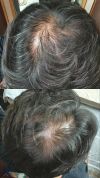
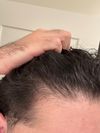
Working outdoors does not affect the efficacy of oral hair loss drugs like finasteride and minoxidil. A user plans to start oral minoxidil and use a dermastamp.
The user "OP" is frustrated with hair loss despite using oral minoxidil, topical finasteride, and oral dutasteride. Other users suggest keto shampoo, lifestyle changes, and low light laser therapy.
User regrew lost hair using microneedling, minoxidil, finasteride, Nizoral, fish oil, and collagen peptide. Progress was slow but constant, and patience was important.
The user is experiencing hair loss and has tried various treatments including topical and oral finasteride, minoxidil, dutasteride, and ketoconazole, but continues to lose hair. They are considering alternative solutions like hair systems due to the lack of improvement and a scalp condition called CVG.
A 24-year-old male with crown thinning and an oily scalp is seeking advice on shampoo recommendations and whether to restart minoxidil or try a hair growth serum. He is concerned about daily shampooing and managing greasy hair.
Anti-hair loss shampoos, like the one with rosemary, quillaja, and jaborandi extracts, mainly support scalp health but are not effective for hair regrowth compared to treatments like finasteride or minoxidil. Ketoconazole 2% is noted as the only effective anti-hair loss shampoo, while others are often considered scams.
Topical caffeine is considered ineffective for hair growth, with users favoring minoxidil, finasteride, and dutasteride. Some view it as a scam or only useful for non-responders to other treatments.
The user is using oral finasteride and minoxidil 2mg for hair loss and is considering adding a scalp serum with caffeine, but is concerned it might interfere with minoxidil. They seek advice on maintaining a hydrated, non-oily scalp.
The conversation discusses hair loss treatments, with users sharing experiences and opinions on finasteride, minoxidil, and other methods. Many recommend finasteride for its effectiveness, while others express concerns about side effects and emphasize the importance of acting quickly to address hair loss.
The user regrets not using medication after a failed hair transplant and is now using a combination of minoxidil, finasteride, derma rolling, oils, and ketoconazole shampoo to try to improve hair regrowth. They are seeking feedback on progress and considering further treatment options.
Men losing hair at a younger age, with theories including lifestyle factors like diet, pollution, and technology use. Treatments mentioned include Minoxidil and finasteride.
How easy it is to fake hair growth, and the skepticism of progress pictures on the subreddit. Some treatments mentioned include finasteride, minoxidil, microneedling, Toppik/Hair Fibers, Dermmatch and a hair transplant.
User started using Pantostin Alfatradiol after watching haircafe on YouTube and noticed thicker hair. They wonder why it's not more popular, as it's a 5α-reductase inhibitor with a different mechanism than minoxidil.
Hair loss discussion focused on 2% Fluridil's peak efficacy at 3 months and 7% Fluridil group buy results, including shedding decrease, side effects, and regrowth.
Hair loss can be distressing, but treatments like finasteride, minoxidil, and scalp micropigmentation can help manage it. Embrace self-improvement, focus on personal goals, and maintain a positive attitude despite hair loss challenges.
The user is concerned about using only minoxidil for hair loss without finasteride, despite having seborrheic dermatitis. They are considering seeking a second opinion from another doctor.
The user experienced noticeable hair regrowth after using finasteride for 5 months and oral minoxidil for 3 months. They are considering adding microneedling to their routine and report no significant side effects.
People often notice and analyze others' hairlines due to their own insecurities about hair loss. Treatments mentioned include finasteride, minoxidil, dutasteride, and red light therapy.
Oral minoxidil can cause cardiovascular issues, but an extended release formulation may reduce side effects like heart rate and blood pressure spikes. This new formulation offers a safer option for those who previously had to stop due to health concerns.
The user started using 5% liquid minoxidil on their scalp and noticed increased facial dryness and faster facial hair growth. They plan to reduce the application to once a day to see if it helps with the dryness.
New hair loss treatments like GT20029 and PP405 could potentially replace minoxidil and finasteride, offering better results with fewer side effects. However, current treatments like finasteride and minoxidil are still effective for many, despite concerns about side effects.
The user is experiencing hair regrowth with oral minoxidil and dutasteride but still has fragile hairs that easily pluck out from the front center. Despite improvements, the user is concerned about the persistent fragility and shedding of these hairs.
A 31-year-old male seeks advice on reversing crown and hairline baldness. Recommendations include using finasteride or dutasteride, minoxidil, microneedling, and ketoconazole shampoo.
Topical Clascoterone showed a 539% improvement in hair count compared to placebo, but its effectiveness and safety are debated. Users compared it to minoxidil and finasteride, with mixed opinions on its potential release in 2026 or 2027.
The user has been using 3mg oral Minoxidil and 1.1mg oral Finasteride for 15 months and plans to switch to 5mg oral Minoxidil, 1.1mg oral Finasteride, and 0.1mg oral Dutasteride. They have also used ketoconazole and salicylic acid shampoo for seborrheic dermatitis and hope to see more hair growth with the increased dosage.
A 19-year-old shared their one-year progress using finasteride for hair loss, despite inconsistent use and poor lifestyle habits. They plan to improve their routine and have noticed thicker beard growth.
The user noticed increased hair loss over the past three years and is seeking advice. A suggestion was made to consult a dermatologist or trichologist and consider blood tests, particularly for vitamin D levels, to address potential androgenetic alopecia (AGA).
The user is concerned about the toxicity of a homemade topical solution of minoxidil and finasteride to their new kitten and is considering replacing minoxidil with stemoxydine. Other users suggest using oral treatments, keeping the solution away from the cat, and ensuring proper hygiene.
The user experienced significant hair regrowth in 90 days using 1.25 mg finasteride daily and topical 5% minoxidil once a day, with noticeable thickening of eyebrows and eyelashes. Despite the progress, the user plans a hair transplant due to traction alopecia affecting the hairline.