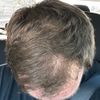
Creatine might increase hair loss due to increased DHT sensitivity, but evidence is mostly anecdotal. The user is using oral minoxidil for hair loss and is cautious about starting creatine.
The post discusses the potential of upregulating aromatase to treat hair loss, suggesting that increasing CCL2 levels through Vitamin D or microneedling might help. The user questions why microneedling doesn't work for everyone, especially those with advanced hair loss.
Tretinoin may enhance minoxidil's effectiveness for those not responding to minoxidil alone, but it could reduce efficacy for some who are already responding to minoxidil. Tretinoin requires careful use, including skin moisturizing and sun protection due to increased sensitivity.
A 19-year-old male has been using topical finasteride and minoxidil for 8 months with no progress and is considering seeking a second opinion due to potential misdiagnosis. The discussion revolves around whether the hair loss is due to male pattern baldness, alopecia areata, or a vitamin deficiency.
Minoxidil may cause wrinkles and dark circles, which some users report can be mitigated by adjusting dosage. Reactions vary, and while some dismiss these side effects, others experience significant changes.
The conversation discusses a hair loss treatment formulation containing cyclosporin, minoxidil, and tacrolimus, and mentions ongoing research on hair color reversal. The treatment showed high efficacy in restoring hair color in trials with 40 to 50 people.
Korean scientists developed a red light therapy that reduces a hair loss marker by 92%. Users discussed the benefits and drawbacks of natural sunlight versus red light caps for hair health, with some suggesting supplements for vitamin D.
The user experienced significant hair regrowth using a treatment of finasteride, minoxidil, tretinoin, and microneedling, reducing their Norwood scale from 2.5 to 1.5 in six months. They received compliments on their hair, boosting their confidence, and are now reducing their finasteride intake due to quick progress and potential side effects.
The user experienced excessive bleeding during microneedling after consuming caffeine and THC, and is unsure if they should continue with the same routine. They are seeking advice on whether the bleeding is a cause for concern.
The user experienced hair regrowth after using rosemary oil daily, vitamin gummies, and getting plenty of sleep. The timeframe between the before and after pictures is one week.
The conversation discusses hair loss treatments, specifically using Minoxidil, finasteride, and RU58841. It also mentions the importance of raising vitamin D3 levels.
Some individuals taking finasteride for hair loss report increased libido and frequent masturbation, with no immediate hair regrowth but darker hair appearance. A dermatologist explains that finasteride may raise testosterone levels temporarily, which could lead to increased sex drive in some people.
The user is experiencing hair thinning and has a vitamin D deficiency, which they suspect might be causing the issue, but they are also considering androgenic alopecia (AGA) as a cause. They are currently using minoxidil and are unable to get finasteride prescribed, while others suggest addressing the vitamin D deficiency and consulting a dermatologist.
The conversation discusses whether creatine is safe to use with finasteride for hair loss treatment. It suggests consulting a doctor before adjusting finasteride dosage.
The conversation is about experiencing hyper-trichosis from taking oral Castor Oil. The user reports increased hair growth on the stomach and legs but is not concerned as it is harmless and will stop when the treatment stops.
Alfatradiol (0.025%) is an effective and safe treatment for androgenetic alopecia in both men and women, increasing anagen hair rates with minimal side effects. Users discuss its cost-effectiveness and ease of use compared to other treatments like finasteride and RU58841, with some combining it with stemoxydine and Minoxidil.
A user with low ferritin and zinc levels is asking if others have seen hair improvement after taking iron supplements. They were prescribed minoxidil and finasteride by their doctor.
A user experienced hair loss due to a folic acid deficiency and saw hair regrowth after taking a folic acid supplement. They advise checking for a folic acid deficiency before spending money on other treatments.
A user shared their 7-month progress on hair regrowth using a regimen of dutasteride, minoxidil, stemoxydine, microneedling, and keto shampoo. They noted significant improvement, particularly in vellus hair growth, and discussed the potential addition of RU58841, though they experienced side effects with it previously.
A user named Medical_Opinion8120, a 23-year-old female, is experiencing hair loss potentially due to a past accutane course. She has tried minoxidil without success and is currently taking iron and zinc supplements.
Using retinol with minoxidil may not be as effective as tretinoin, but retinaldehyde or adapalene could be alternatives. A micro-roller with minoxidil is suggested for better results.
The experiences of users who have used RU58841 to treat hair loss, including both positive and negative effects. Some side effects reported include chest pain, joint pain in the hands, tinnitus, and increased heartbeat.
Tretinoin can cause non-telogen hair loss in some men by inducing catagen-like changes in hair follicles and through retinoid toxicity, especially when used with minoxidil. Some users report hair loss even when using retinoids on the face, while others experience benefits when combined with treatments like finasteride and minoxidil.
Creatine may increase DHT levels, potentially causing hair loss in some people, though experiences vary. Treatments like finasteride or minoxidil are suggested to manage potential hair loss.
Glycine supplementation may increase 5-alpha reductase activity, potentially affecting hair loss. Users discuss its impact on hair fall and its role in the body.
The conversation humorously discusses exaggerated hair growth results using 500mg finasteride and 1000mg minoxidil daily, with side effects including a bloody nose and lowered libido. It also jokes about microneedling, hair transplants, and elephants, suggesting the post is satirical.
A user's progress pictures showing the results of taking Fin (0.5 mg per day), Min (5 mg per day) and microneedling with Dr. Pen Ultima M8; another user asked when the regrowth was noticed, and commented on the hair appearing darker.
Vitamin D supplementation may have led to slight hair regrowth and density improvement. Other treatments discussed include finasteride, minoxidil, and maintaining optimal vitamin D levels.
Microneedling stimulates hair growth through stem cell activation during wound healing, not just increased blood flow. Other methods like showers or supplements don't replicate this effect.
The user is experiencing sudden hair loss and is considering micro-needling, low-level light therapy, iron supplements, folihair, and Omega 3. They are hesitant to start finasteride, suspecting the hair loss might be due to telogen effluvium from a past COVID-19 infection.