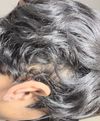
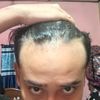
The user has been using finasteride and minoxidil for almost 2 years with maintenance but no significant regrowth. After adding tretinoin 2 weeks ago, they experienced increased shedding and are seeking advice on whether this is a positive sign.
The user reported unexpected hair growth on their crown after using a derma stamp, ketoconazole, and other treatments like rosemary oil and biotin, but before starting finasteride or minoxidil. They questioned if the growth was due to these treatments or an underlying issue besides androgenetic alopecia.
A 23-year-old male started using Redensyl and Aminexil, along with Tab BTN Ultra and Vitamin D3 supplements, for hair loss. He shared progress pictures after 45-50 days of treatment.
The user is concerned about hair loss and is using minoxidil while considering beetroot powder, which may affect testosterone and DHT levels. They are cautious about starting finasteride due to potential side effects.
A 15-year-old is experiencing uneven hair loss, with one temple receding significantly. They are considering using finasteride, minoxidil, or dutasteride to slow hair loss before visiting a dermatologist, and may consider a hair transplant in the future.
User shares progress after 4 months of using finasteride and dermarolling, with occasional use of coconut and rosemary oil. They aim to stop hair loss and hope for increased top density.
Minoxidil may cause wrinkles and dark circles, which some users report can be mitigated by adjusting dosage. Reactions vary, and while some dismiss these side effects, others experience significant changes.
Hair loss discussion includes homemade 15% Procyanidin B2 apple skin extract as alternative to Minoxidil. User reports thicker hair, but no new growth yet.
Dutasteride is more effective than finasteride for hair loss, especially at the crown and midscalp, but both have similar side-effect profiles with low incidence of sexual adverse events. Improvement is measured visually, and significant results may take over 12 months to appear.
A user reported significant facial aging after using minoxidil for hair loss, despite a good skincare routine and healthy lifestyle. They plan to switch to dutasteride and possibly stop minoxidil.
The user is experiencing a greasy and dandruff-prone scalp from using RU58841 with glycerin and is seeking alternative carriers for seborrheic dermatitis. They are also using dutasteride 0.5mg.
The conversation is about hair loss and regrowth, with the original poster discussing iron deficiency and using iron supplements. Other users mention treatments like finasteride, minoxidil, ketoconazole shampoo, and hair care products for managing symptoms.
The user is starting Dutasteride mesotherapy and seeks advice on whether to apply the solution immediately after microneedling or wait 12-24 hours. They couldn't find instructions for first-timers.
The user shared a 9+ month hair loss treatment progress with 1mg finasteride in the morning, 2.5mg oral minoxidil at night, and vitamin A spray at night, noting the importance of seeing a dermatologist early as their cousin started treatment too late for it to be effective.
User "cheekykevin" shared 15-week progress using minoxidil and dermarolling, with positive results. Others suggested using ketoconazole for dandruff side effect.
A user shared their initial experiences with The Ordinary hair density serum, which contains Redensyl (taxifolin). They observed increased hair volume but also developed pimples, likely due to the serum stimulating sebaceous glands.
A user shared their hair regrowth progress using a regimen of finasteride, minoxidil, derma stamping, red light therapy, and supplements like biotin and vitamin D. They also use keto shampoo and Alpecin C1 shampoo, exercise regularly, and follow a keto diet.
The discussion is about using ASCEplus HRLB exosomes for hair loss treatment, which combines 10 billion exosomes with growth factors, nutrients, biotin, and copper tripeptide. The treatment is expensive and typically administered via scalp injections, but in Europe, it's done with microneedling.
The user is experiencing hair loss at Norwood 2.5 and is using minoxidil, finasteride, and vitamins, noticing minimal regrowth after 8 months. They are considering using a dermaroller but are unsure of its effectiveness.
A user is using topical dutasteride, topical finasteride, and minoxidil to address a receding hairline and is seeking opinions on their routine. They report seeing vellus hair growth after nearly three months of use.
A user shared their positive experience with a 4-in-1 topical solution containing finasteride, minoxidil, ketoconazole, and biotin, along with weekly microneedling using a 1.2mm dermastamp. The user reported no noticeable side effects and mentioned that the biotin likely doesn't contribute to hair growth.
The user is concerned about high DHT levels despite using finasteride and dutasteride for hair loss, suggesting these treatments may not be effective. They plan to consult an endocrinologist and consider other antiandrogens, acknowledging potential side effects.
A user shared their positive experience with MoriTint, a Korean scalp micro pigmentation technique that enhances the appearance of hair density without being permanent. They now offer this service in Los Angeles and emphasize its benefits for those with thinning hair, while clarifying it is not suitable for those with significant hair loss or baldness.
FCE 28260 (PNU 156765), an under-explored 5α-reductase inhibitor, showcases promising results in research by Giudici et al., outperforming well-known treatments like Finasteride in reducing the conversion of testosterone to DHT. Its superior efficacy, demonstrated through lower IC50 values in both natural and human recombinant enzyme studies, suggests it could offer more effective management of DHT-related conditions. Additionally, its lower molecular weight hints at better potential for topical application, potentially offering advantages in treating conditions such as androgenic alopecia. Despite its potential, it has not advanced in development, possibly due to financial limitations, leaving its therapeutic prospects and side effect profile largely unexplored.
The user has experienced significant hair regrowth using finasteride, oral minoxidil, microneedling, keto shampoo, an LLLT helmet, vitamins, and supplements. They note progress but hope for further improvement in a specific area.
The conversation discusses using daily microneedling at 0.25mm and red light therapy to enhance hair regrowth, especially when traditional treatments like finasteride and minoxidil become less effective. The combination is said to improve hair density and thickness, with red light therapy being more cosmetic, while microneedling is essential for challenging areas.
Tiny blond hairs on the vertex may indicate early hair regrowth from using dutasteride and minoxidil. Consistent treatment is advised, with potential for thicker hair over time, but a hair transplant might be needed for significant results.
The user treated traction alopecia for over a year using Nutrafol, rosemary oil, topical and oral Minoxidil, dermarolling, biotin, collagen, and vitamin D, and shared progress photos to inspire others on their hair growth journey. They also acknowledged the community and a specific person for support and encouragement.