Finasteride, Minoxidil, Bioneer CosmeRNA, Technoderma, Kintor, Hope, Breezula, and Follicum treatments showed increases in hair count, with Technoderma showing the highest increase at 24.3 hairs/cm². Amplifica has not yet published results.
HMI-115, a newly discovered hair loss treatment that could potentially be effective for those with diffuse thinning and telogen effluvium. It is based on prolactin receptor antagonist signaling and has already undergone Phase I trials in women, with potential commercialization by 2027.
The user experienced hair regrowth after using finasteride for three months and microneedling with a dermapen for a month and a half. Many responses confirm noticeable hair thickening, though some suggest waiting longer for more definitive results.
The user experienced significant hair regrowth using 1mg finasteride every other day, 5% minoxidil twice daily, and ketoconazole shampoo. The progress was noted as impressive, with some users questioning the authenticity of the results.
The user reports hair thickening after 2 months on 1.25mg oral minoxidil and 1mg oral finasteride, having previously used topical minoxidil with no improvement. Other users suggest taking consistent progress photos and share their own experiences with similar treatments.
The conversation is about a user's progress in treating diffuse hair thinning using a topical regimen including finasteride, minoxidil, ketoconazole, microneedling, saw palmetto, collagen, and vitamins, along with lifestyle changes. The user plans to switch from topical to oral finasteride for potentially better results.
A 36-year-old is experiencing underwhelming results from derma stamping for hair thinning, using needle lengths of 0.5mm to 0.75mm. They are considering increasing needle length, taking a break, or pairing the treatment with rosemary oil.
A user discusses their experience with at-home microneedling at 1mm for hair growth, feeling like they're hitting their skull. Other users suggest lowering the needle depth or stopping due to discomfort.
The user experienced rapid diffuse hair thinning for five years despite no signs of AGA or miniaturization. They tried finasteride and oral minoxidil without success and have checked thyroid, iron, and vitamin D levels.
The user has been using topical minoxidil, finasteride, microneedling, and laser light therapy for 11 weeks to address hair thinning. They report difficulty applying the treatment due to increased hair thickness and are unsure if the results are significant.
The user is using topical dutasteride, finasteride, minoxidil, and tretinoin but seeing no results or side effects. They also microneedle every two weeks but experience little bleeding, questioning if a thick scalp is preventing treatment effectiveness.
A 19-year-old is experiencing hair thinning and recession above the temples, causing stress and consideration of starting finasteride despite financial constraints. They are unsure whether to begin treatment immediately or wait to assess the situation further.
Diffuse thinning is often due to androgenetic alopecia, and DHT blockers like finasteride are recommended. Treatments mentioned include minoxidil, finasteride, dutasteride, and RU58841, with emphasis on starting early and using a holistic approach.
Hair loss may be linked to blood flow and inflammation, with treatments like Minoxidil, finasteride, and quercetin being discussed. The conversation also mentions the role of 5AR enzyme distribution in hair follicles.
A user experiencing diffuse thinning at the hairline after 12 months on finasteride is considering adding minoxidil, dutasteride, or RU58841 to their treatment. Another user suggests adding minoxidil now, holding off on dutasteride, and shares personal side effects from RU58841.
The user experienced hair thinning and was diagnosed with alopecia incognito and male pattern baldness. They are using minoxidil, finasteride, and dutasteride scalp injections, reporting gradual improvement with no side effects.
An 18-year-old with diffuse hair thinning is considering switching from a topical Minoxidil 10% + Finasteride 0.1% solution to Minoxidil 5% foam and oral Finasteride 0.5mg, while also addressing vitamin D deficiency and potential scalp inflammation. Users suggest using Nizoral shampoo for inflammation, considering dutasteride for better results, and maintaining vitamin D levels to protect hair follicles from DHT.
The user experienced initial success with topical finasteride 0.025% and melatonin but noticed rapid hair thinning after three months. They are considering switching to a higher dose of topical finasteride or oral finasteride, as advised by others, while being cautious about potential side effects.
A 26-year-old male with high testosterone is experiencing diffuse hair thinning despite using a comprehensive treatment regimen including dutasteride, oral minoxidil, RU58841, ketoconazole shampoo, microneedling, and low-level laser therapy. Suggestions include adjusting dutasteride dosage, monitoring iron levels, and consulting a dermatologist for further evaluation.
A 25-year-old male has been using 0.5mg dutasteride and 5mg minoxidil for 1.6 years to treat diffuse thinning, with significant hair regrowth except for the hairline. He plans to get a hair transplant for further improvement and reports no side effects from the treatment.
A user shares progress on hair thickening using finasteride, minoxidil, RU58841, and dermastamping. Another user notes slow but ongoing improvement with a similar treatment routine.
Diffuse thinning is unpredictable, and while some suggest treatments like finasteride or dutasteride, others emphasize acceptance as hair loss may continue. Some users share personal experiences with treatments like nizoral, scalp massage, and lifestyle changes, but results vary.
Many users experienced increased diffuse thinning after starting finasteride, with some switching to dutasteride or adding minoxidil in hopes of improvement. Thyroid issues and low ferritin levels were also discussed as potential factors affecting hair loss.
To increase hair density appearance, options include using hair fibers, volume powders, scalp micropigmentation, and a combination of sea salt and holding sprays. Tape-in extensions and clip-in fringes are also considered, but cost and maintenance are concerns.
Trans woman experiencing thinning hair despite low testosterone and finasteride use seeks possible causes and solutions. Current treatments include finasteride, spironolactone, estradiol, vitamins, and microneedling; minoxidil not tried due to concerns about dependence and side effects.
The user is experiencing diffuse thinning despite using oral minoxidil (3mg), dutasteride (0.5mg), microneedling, scalp massaging, and vitamins. Suggestions include increasing the minoxidil dose, checking for scalp conditions, and continuing current treatments.
A 23-year-old male is experiencing diffuse hair loss and miniaturization, possibly due to high IGE levels after using tofacitinib. He seeks advice and has not yet consulted a dermatologist.
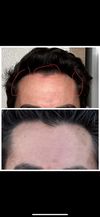
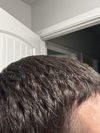
A 29-year-old man experienced significant hair thickening at the front and top after using finasteride and microneedling for two months, as noticed by his hairdresser. He used 0.5 mg/day of finasteride orally, switched to a topical solution, and performed microneedling with a Derminator2 every 6-7 days.