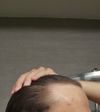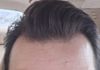
The user reports slow progress in hair regrowth using finasteride, minoxidil, dermarolling, and a weekly oil massage. They note improvement in the crown area but minimal change in the hairline.
The conversation discusses the effectiveness and side effects of taking 1.25mg oral minoxidil for hair loss, with some users suggesting starting at a lower dose to minimize side effects before potentially increasing to 2.5mg. Concerns about cardiovascular side effects and the importance of individual responses to dosage are highlighted.
A user's progress pictures that show the results of their hair loss treatments, such as minoxidil and finasteride, along with dermarolling and clippers. They have been trying to recover from severe hair loss since 2021.
The user reports hair regrowth at the crown and thickening at the front after three months using 1mg finasteride, 0.5% minoxidil, biotin supplements, vitamin D, and argan oil shampoo and conditioner. They express a wish that hair growth could occur at the back of the head as well.
Scalp massage significantly reduced hair loss for the user, who had been using finasteride without improvement. The user attributes the reduction in hair loss to the massage rather than the medication.
A 31-year-old male shares his 4-month progress in treating hair thinning with tar shampoo, 5% topical minoxidil, and finasteride. He reports thicker hair, no folliculitis, and no significant side effects, except increased libido.
A user with diffuse thinning experienced no hair regrowth with finasteride or Avodart but slowed hair loss with Avodart. They are considering trying Minoxidil and are seeking advice on whether to use foam or liquid, and if combining it with other treatments could be beneficial, excluding micro-needling due to scalp irritation concerns.
The user experienced hair loss after chikungunya and started PRF (platelet-rich fibrin) injections with injectable Dutasteride, noticing new hair growth. They are hopeful for continued improvement.
Pyrilutimide and CB-03-01, two treatments for hair loss, have similar clinical trial results despite different binding affinities to androgen receptors. Factors other than binding affinity, like the time a drug stays bound to the receptor, may influence their effectiveness.
The user had a hair transplant with 2000 grafts in the frontal and mid-scalp areas and has been using finasteride and minoxidil for 3 months. The crown area is expected to improve with continued treatment, and results are generally positive so far.
A 36-year-old started using finasteride (0.3-0.5mg daily), 5% minoxidil foam, and weekly dermarolling/dermapen treatments to address hair loss. They also began taking supplements for low ferritin and vitamin D, hoping to improve hair thickness and cover a bald spot.
The user is dissatisfied with the results of using 0.3% finasteride and 6% minoxidil for hair thinning and is considering a topical treatment combining finasteride, dutasteride, minoxidil, melatonin, caffeine, and latanoprost. Another user suggests that high topical concentrations can lead to systemic exposure and recommends using oral dutasteride and microdosing topical finasteride.
Dutasteride significantly improved hair thickness and regrowth for users, often more effectively than finasteride alone. Many users experienced positive results with a combination of dutasteride, finasteride, and oral minoxidil, with minimal side effects.
Significant hair improvement was achieved using 1.25mg finasteride and 5mg oral minoxidil daily, with no side effects. The user increased the minoxidil dosage to 7.5mg after noticing minor thinning and plans to continue the routine.
Topical melatonin may help reduce hair loss and increase hair thickness in people with androgenetic alopecia (AGA), with some studies showing positive results. It can be mixed with minoxidil for application, and its effectiveness might be enhanced when used with micro-needling, but results may vary among individuals.
The user shared a 6-month update on using topical minoxidil 5% twice daily and dutasteride 0.5 mg weekly, reporting improved hairline and temple regrowth with no side effects. Microneedling was also mentioned as a helpful addition to the treatment.
A user shared their 6-month progress using 1ml of Kirkland minoxidil daily and weekly 1mm dermarolling, noting no side effects and minimal shedding. They plan to consider finasteride or dutasteride after midterms, attributing hair loss to genetics.
The user shared progress after 3.5 months using topical finasteride (0.2%) and minoxidil (5%), noting thicker hair despite a receding hairline. They plan to consider a hair transplant in the future and found applying treatments easier on a shaved head.
A user shared their 88-day progress using 1.25mg finasteride, topical minoxidil, and weekly 1mm microneedling, noting improvement from NW 4.5 to around NW 3. Another user complimented the progress.
The conversation is about whether taking 0.5mg of finasteride daily is as effective as 1mg for hair regrowth and if there are long-term studies supporting the lower dose. The user is considering the lower dose to save money and reduce concerns about side effects.
The conversation discusses a user's positive experience with hair regrowth using topical finasteride, minoxidil, and microneedling after 2.5 months, noting initial shedding but improved hair density, especially at the temples, possibly eliminating the need for a hair transplant. The user is satisfied with the current treatment and is hesitant to try the experimental drug RU58841, hoping the current routine will suffice for further improvements.
A 30-year-old is experiencing hair thinning and is considering using finasteride to stop hair loss and possibly thicken existing thin hairs. They are unsure of their Norwood scale stage and seek advice on whether finasteride is suitable for their situation.
The conversation is about a user's hair transplant progress using 3000 grafts with DHI technique, foam Minoxidil, Tretinoin, and Dutasteride after 5.5 months. Commenters are impressed with the results, noting significant improvement.
The group buy for CB-03-01, a topical anti-androgen for hair loss, was postponed and refunded due to issues with the product's form and solubility. The product, also known as Breezula, is an alternative to finasteride with fewer side effects, but its official release is delayed until 2021.
Clascoterone is promising for hair loss, showing 24.5% improvement in satisfaction compared to placebo. Users consider it an alternative to finasteride, with concerns about absorption and side effects.
A 21-year-old female shared her 4-month hair growth progress using Minoxidil 5%, finasteride 1mg, Theradome LLLT, Viviscal vitamins, and PRP treatments twice. Commenters praised her progress and discussed other treatments like microneedling, but she noted her dermatologist advised against it due to potential scalp damage.
The user struggles to cover their entire scalp with 1 ml of RU58841 while using dutasteride and oral minoxidil for hair loss. Suggestions include using a syringe for precise application, applying twice daily, and considering the use of more than 1 ml to ensure full coverage.
User has been using Minoxidil twice daily for a year with good results and is considering adding a 1.5mm titanium derma roller for better hair regrowth. They seek advice on the best derma roller size and frequency of use, suggesting once a month or every 3-4 weeks.
A 23-year-old has been using 0.5mg Dutasteride and 5mg oral Minoxidil daily for two years, but their hair has thinned considerably. Suggestions include increasing the Dutasteride dose, adding Finasteride, or considering a hair transplant.
The conversation discusses using USB microscopes for scalp photos and provides a link to an overview of trichoscopy. Treatments mentioned include Minoxidil, finasteride, and RU58841.