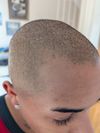
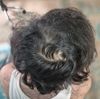
Peptides, specifically GHK-Cu, are being considered for hair growth benefits, such as increasing blood flow to the scalp and preventing hair follicle shrinkage. A user reported starting GHK-Cu after hearing it made a friend's hair thicker.
The post discusses the user's experience with hair loss treatment using finasteride, clobetasol propionate, and ketoconazole shampoo. The conversation warns about the potential side effects of clobetasol, a powerful topical steroid, and emphasizes its short-term usage.
A user shared progress pictures after almost 5 months of using oral minoxidil and finasteride for hair loss. Despite initial heavy shedding, they noticed improved hair density at the crown.
A 20-year-old male experienced early hair thinning due to male pattern baldness and successfully thickened his hair using oral finasteride and topical minoxidil. The conversation highlights the importance of early action and overcoming fear of medication side effects.
Ketoconazole 2% shampoo effectively regrew hair by treating scalp dermatitis and inflammation. The user also used jojoba and oat oil, Aveeno moisturizer, and hyaluronic acid for scalp care.
A 42-year-old experienced significant hair regrowth after 12 weeks on an oral combination of finasteride (1 mg) and minoxidil (2.5 mg), with noticeable improvements and no side effects. The user is considering continuing the treatment for a year due to the unexpected positive results.
The conversation is about using Verteporfin with microneedling as a potential hair loss treatment that may regenerate hair follicles with minimal scarring. There are concerns about the optimal dosage and the DHT sensitivity of the new follicles.
The conversation discusses the completion of a Phase II trial recruitment for Breezula (CB-03-01), a potential treatment for androgenic alopecia. Specific treatments mentioned include Minoxidil, Finasteride, and RU58841.
The conversation discusses managing seborrheic dermatitis (sebderm) and male pattern baldness (MPB) with treatments like finasteride, coal tar shampoo, Nizoral, and oral minoxidil. Users suggest dietary changes, regular shampooing, and using antifungal products to control sebderm before considering minoxidil.
A user shared a 5-month update on their hair transplant, praising the natural results and the surgeon in Patna, India. They mentioned using 2000 grafts at a cost of 90,000 INR and discussed the importance of taking finasteride or dutasteride to maintain the transplanted hair.
The user has been using oral Finasteride, Ketoconazole shampoo, and a dermaroller for 3 months, showing progress in hairline improvement. They are considering adding topical Minoxidil after evaluating the results from Finasteride.
The conversation discusses the hair loss treatment Breezula by Cassiopea, which had a successful Phase II trial and is expected to start Phase III by the end of the year. Users are curious about the timeline for availability and note that it performs slightly better than finasteride at 6 months, slightly worse at 12 months, with the benefit of having no side effects.
The conversation is about a user's 3-month hair regrowth progress using finasteride, minoxidil, and a 0.5mm dermaroller, with recent addition of caffeine shampoo. Users are responding positively and inquiring about application methods.
Using a combination of topical finasteride, minoxidil, caffeine and dermaroller treatments to help with hair loss, while discussing the potential results and other options.
This post and conversation are about using receipt paper as a satirical treatment for hair loss. Users humorously discuss various absurd methods, including rubbing, ingesting, and making suppositories out of receipts.
The conversation discusses whether finasteride and minoxidil can help regrow hair at the corners, with one user suggesting that recovery is possible even from worse conditions.
Hair loss treatments RU55841, CB-03-01, and Eucapil were discussed, with concerns about needing increased dosages over time and potential side effects. A user suggested that CB's results could be due to various factors and that combining it with finasteride might slow down any upregulation.
The conversation is about a user considering joining a clinical study for Clascoterone (Breezula) after experiencing no results with topical finasteride and minoxidil, and side effects from oral finasteride. The user is seeking advice on clinical study participation and experiences.
A user shared their experience with a second hair transplant by Dr. Gokhan Gur, focusing on the midscalp and crown with 1849 grafts. Their current treatment includes dutasteride, finasteride, oral and topical minoxidil, and Nizoral shampoo.
The conversation discusses using topical dutasteride with a dermapen for hair loss treatment. The user is deciding between liposomal and mesosomal formulations for this purpose.
AltruisticBro's experience with Fluridil (Eucapil) as a hair loss treatment, and the current blood work results associated with it. They are not willing to take finasteride due to potential permanent side effects.
The user shared their positive 5-month results using finasteride, minoxidil, derma rolling, and supplements like biotin, zinc, iron, and vitamin C. They provided before and after photos and mentioned applying minoxidil even when derma rolling.
Cosmo Pharmaceuticals has enrolled about 850 out of 1400 patients for their phase 3 clinical trials of clascoterone (Breezula) and claims to be on schedule. The conversation is about hair loss treatments.
The user switched from topical to oral finasteride and minoxidil, noticing thicker and longer baby hairs, suggesting potential regrowth at the temples. Other users agree it looks like a sign of success.
The user experienced significant hair regrowth after three months of using minoxidil foam, finasteride, and a dermastamp, along with Nizoral shampoo. They noticed thicker hair on their crown and hairline, with no issues applying topical treatments.
DUPA is considered more treatable than FAPD, as FAPD involves scarring that prevents hair regrowth. The user has started treatment with oral dutasteride and minoxidil, hoping for better results than previous treatments.
ABS-201 shows promise for male hair regrowth by blocking the prolactin receptor, with higher expected efficacy than current treatments. The discussion also covers dosing differences between macaques and humans for hmi115, highlighting a significant dosage disparity.
The user has been using finasteride and minoxidil for hair regrowth, with positive results, and recently added daily broccoli consumption, noticing improved hair thickness. Another user suggests that leg exercise, not broccoli, might be contributing to the hair improvement.
The conversation is about hair loss treatment using finasteride, ketoconazole, and sulfur soap, with consideration of starting dermastamp. The user prefers not to use minoxidil.