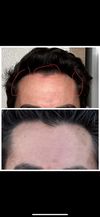
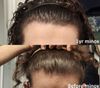
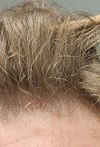
A 38-year-old user shared their hair loss treatment progress over a year, using dutasteride daily and minoxidil intermittently. They haven't experienced side effects and are considering microneedling.
The conversation discusses starting hair loss treatments and concerns about side effects. Treatments mentioned include Minoxidil, finasteride, and RU58841.
A 19-year-old transgender individual is experiencing worsening temple recession despite taking female hormones and 1.25mg finasteride. They are seeking advice on additional treatments to address hair loss.
The user has been using topical minoxidil, topical and oral finasteride, and oral minoxidil for hair loss but hasn't seen improvement after 7 months. Suggestions include continuing treatment, considering dutasteride, and consulting a dermatologist, as shedding from oral minoxidil is temporary.
PP405 is discussed as a potential alternative to finasteride, but its effectiveness and market availability are uncertain. Users share experiences with finasteride, minoxidil, and topical treatments, noting side effects and application techniques.
The user is taking Dutasteride, Finasteride, Estradiol, Spironolactone, and Progesterone for hair regrowth and is considering adding Minoxidil and rosemary oil. They are experiencing some hair regrowth and are consulting a dermatologist to avoid a hair transplant.
The user experienced hair regrowth and thickening after using minoxidil for three months and finasteride for two months, along with vitamin D and iron supplements. They reported softer erections as a side effect of finasteride but found the hair improvements worth it.
The user has been using finasteride, minoxidil, microneedling, PRP, and ProCell therapy for hair loss but sees no progress after nine months. They are considering switching to dutasteride and possibly a hair transplant, with suggestions to add oral minoxidil.
Finasteride can regrow hair but may cause depression and suicidal thoughts in some users. The connection between finasteride and mental health issues is debated, with some attributing it to pre-existing conditions or stress.
A 21-year-old is concerned about androgenic alopecia and has been using minoxidil for a year, noticing some stabilization in the hairline but fears using it on the whole scalp due to seborrheic dermatitis. Another person suggests considering a psychiatrist for stress management, using Nizoral shampoo, and possibly trying a small dose of finasteride.
The conversation discusses hair loss treatments, specifically using finasteride, dutasteride, and minoxidil. The original poster mentions adding dutasteride to their regimen alongside finasteride, noting thicker hair, while others share experiences and concerns about these treatments.
The user is experiencing increased hair shedding, scalp sensitivity, and itching despite using finasteride for four months, and has tried various shampoos without relief. They are advised to consult a dermatologist for potential scarring alopecia and consider other treatments like adding Dutasteride.
DHT may inhibit hair growth by affecting mitochondrial function, leading to hair follicle miniaturization. Treatments like minoxidil and PP405 may promote hair growth by altering metabolic pathways, potentially counteracting DHT's effects.
The conversation discusses various hair loss treatments, including minoxidil, finasteride, latanoprost, tretinoin, dutasteride, and cetirizine, with concerns about effectiveness, cost, and potential side effects. Users express skepticism about the product's price and the combination of multiple compounds.
A user shared their positive experience with a hair transplant in Patna, using 1800 grafts to enhance their hairline and temple points. The procedure cost around Rs 85K, and the user is pleased with the natural-looking results.
A 26-year-old man with diffuse alopecia is using electric scalp massage, dermastamp, and multivitamins for treatment but is intolerant to finasteride. A dermatologist recommended PRP and mesotherapy with exosomes and dutasteride.
The conversation is about a user experiencing hair shedding after switching from finasteride to dutasteride and increasing their oral minoxidil dose. The user is advised to continue with the current treatment, consider adding topical minoxidil, and consult a dermatologist for potential underlying issues.
The user added topical minoxidil to their finasteride regimen, resulting in healthier hair and some regrowth, especially after quitting nicotine. They experienced minimal shedding and noted improvements in hairline density, finding the treatment mostly preventative.
The user has been using oral finasteride, minoxidil, and biotin for a year with minimal progress in hair regrowth. Many suggest a hair transplant and recommend switching to dutasteride and considering topical treatments.
The user shared their experience with taking 30g of creatine daily, noting no hair loss and improved physical performance, but minimal mental performance benefits. They also use 1.25mg of finasteride every other day.
Creatine use is linked to increased hair shedding for some, especially those with DHT sensitivity, but experiences vary. Some users manage hair loss with treatments like finasteride, minoxidil, or dutasteride, while others stop creatine to reduce shedding.
Disinfecting microneedlers is important to prevent infection, with suggestions to use high-percentage alcohol or denture tablets for sterilization. Rollers may cause skin damage, so stamps or pens are recommended for safer microneedling.
The user stopped using finasteride due to mental side effects but is concerned about hair loss. They are seeking affordable alternatives to finasteride, as their hairline is receding.
A 23-year-old discusses their hair loss treatment using finasteride, dutasteride, oral and topical minoxidil, and topical tretinoin under medical supervision. They stress stabilizing hair loss before a hair transplant and plan to continue the regimen for at least 18 months.
A 20-year-old with no signs of hair loss is considering finasteride or dutasteride due to family history of baldness. Advice given is to monitor hair and start treatment only if thinning occurs.
A user experienced significant hair shedding after three years on finasteride, possibly due to stress or whey protein, and sought advice. Others suggested it might be a temporary shed, recommended monitoring for deficiencies, and mentioned adding dutasteride if needed.
A 28-year-old experiencing worsening hair loss despite using Dutasteride and oral Minoxidil is considering exosome therapy and possibly switching treatments due to side effects. They seek advice on whether to continue with Dutasteride or try alternatives like Pyrilutamide or topical supplements.
The conversation humorously discusses hair loss treatments, with mentions of minoxidil and finasteride. Suggestions range from hair transplants to satirical advice like using snake oil or adopting extreme diets.
The user is considering a hair transplant and is using topical finasteride, minoxidil, antiandrogens, ketoconazole shampoo, and serenoa repens. They are deciding between surgeons Dogan Turan and Bruno Pinto, and are concerned about the technique and potential complications due to diffuse hair loss.
The user shared minimal results from using JXL-069 for hair loss, noting a slight lengthening of vellus hairs and plans to switch to a prodrug variant due to limited effectiveness. They also mentioned using finasteride and minoxidil, which have plateaued in results.