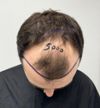
Hair fibers impressively cover bald spots, boosting confidence. User started big 3 treatment (0.5mg fin, 1 time minoxidil 5% topical, ketoconazole 2%) for regrowth.
A new hair growth product claims to use apple stem cells, plant collagen, and bamboo leaf extract, with a 120-day money-back guarantee. Some users are skeptical, noting the product's marketing alongside other treatments like Minoxidil, finasteride, and red light therapy.
Bovine colostrum is being discussed for its potential in hair regeneration, with some users noting that oral consumption may not be effective due to stomach acid destroying exosomes. The conversation also touches on ethical concerns about sourcing colostrum.
ABS-201 shows promise for male hair regrowth by blocking the prolactin receptor, with higher expected efficacy than current treatments. The discussion also covers dosing differences between macaques and humans for hmi115, highlighting a significant dosage disparity.
A new potential hair loss treatment called HMI-115, and the cost of this treatment which may be expensive due to production costs but could be competitive with other treatments such as hair transplants.
GT20026 is discussed as a potential treatment for hair loss that targets androgen receptors without affecting hormone levels, but it may not promote significant regrowth. It is expected to be available by 2028, with other treatments like Breezula and Clascoterone also mentioned.
PP405, a potential hair loss treatment, is facing delays in releasing Phase 2 results, causing frustration among users who compare it to past failed treatments. Despite skepticism, some remain hopeful about PP405's future, while others discuss alternative treatments like Clascoterone and its expected market release.
A user seeks advice on using hair fibers for a TV appearance to cover hair loss. Suggestions include practicing application, using a fixing spray, and ensuring color match.
A female user with alopecia is researching peptide usage, specifically ghk-cu, for hair loss. Other users shared mixed experiences with copper treatments, noting some success with topical application.
KY19382 is discussed as a potential treatment for creating new hair follicles and possibly curing hair loss. The conversation seeks user experiences and sourcing information for KY19382.
A 25-year-old female is experiencing hair loss and has tried PRP, Minoxidil 5% with Biotin, and weekly needling sessions. Her doctor suggested switching to GFC treatment and stopping the needling sessions due to increased shedding, which may be caused by Minoxidil.
Kintor Pharma has started a Phase II trial in China for GT20029, a potential new treatment for hair loss. Participants are discussing the significance, potential release dates, and comparing it to other treatments and technologies like stem cell hair transplants and SAMIRNA.
Minoxidil is on sale at Costco, but it poses a significant risk to pets, especially cats. Users discuss the pros and cons of foam versus liquid minoxidil, with some preferring liquid for better results despite its greasiness and dandruff issues.
A user shared their positive experience with a hair transplant of 2300 grafts performed by Dr. Ko in Korea, noting significant improvement in hair condition and recommending the surgeon. The user also mentioned using finasteride but not minoxidil.
User shared a 10-month update after a 4000-graft hair transplant, using finasteride, minoxidil, hair density shampoos, hair oils, and vitamins. Replies suggest patience as crown growth can take up to 18 months.
A user shared their experience with a hair restoration method involving adding individual human hairs on ultra-fine strands between existing hair, allowing for natural movement and appearance without blocking the scalp. They also continue using rosemary oil and gentle massage for basic growth support.
Astaxanthin may cause increased hair shedding, affecting even transplanted hair and eyebrows. The user has tried various treatments for androgenic alopecia, including minoxidil, finasteride, and RU58841.
A potential non-invasive topical treatment targeting the WNT Signaling Pathway for hair regeneration is being researched, with positive results on human hair follicle cells. Current effective treatments for hair loss include Minoxidil, finasteride, and hair transplantation.
The user is exploring hair loss treatments and is interested in procyanidin B2 and annurca apples but has concerns about the effectiveness and availability of supplements. They cannot use Dutasteride or Finasteride and are considering Minoxidil with microneedling.
Following a Ray Peat diet led to less hair fall, thicker hair, and new hair growth at bald spots. The diet included stopping Omega 3 supplements, eating liver, increasing fruit, sugar, and saturated fat intake, and occasionally consuming coffee, tea, raw carrots, and shellfish.
Koshine KX-826 has different versions, and the green version uses a plant-based carrier that may be less irritating for those sensitive to propylene glycol. Users report irritation with some versions of KX-826.
HMI-115, a newly discovered hair loss treatment that could potentially be effective for those with diffuse thinning and telogen effluvium. It is based on prolactin receptor antagonist signaling and has already undergone Phase I trials in women, with potential commercialization by 2027.
The conversation is about using GHK-Cu, a copper peptide, for hair loss treatment. Users discuss their experiences, dosages, and additional benefits like improved skin and energy.
The user noticed new baby hairs after using sulforaphane but is still experiencing shedding. They are seeking a supplement to stop shedding, possibly grape seed extract.
The conversation discusses skepticism about the effectiveness of new hair loss treatments, mentioning that despite 40 years of research, only accidental discoveries like Minoxidil and Finasteride have been made. It also notes that drug development is a slow process, often taking a decade or more to bring a new drug to market.
Clascoterone 5% solution shows strong potential for hair growth, offering a new treatment for alopecia with minimal side effects. It blocks androgen receptors locally and may be available by late 2026 or early 2027.
A person had a successful hair transplant in Turkey with 3200 grafts using FUE and DHI techniques, and is satisfied with the results after 9 months. They have been using finasteride for 7 years to maintain hair health.
The conversation discusses post-hair transplant care, specifically about removing scabs gently after a week, using Vitamin E oil. The user wonders if using harsher methods like steel wool would affect results, but others reassure that if there was no pain or bleeding, it's likely fine.
Clascoterone 5% solution showed a 539% improvement in hair count compared to placebo, but the actual increase in hair growth is minimal. Users express skepticism about the effectiveness of hair loss treatments.