Search
for
Sort by
Community Join
330-360 / 1000+ resultscommunity What routines helped you reduce dry scalp, flaking, and irritation?
community Don’t neglect your scalp health guys
community Replicel, worthy of hype or probable disappointment? Questions thread
The conversation discusses the potential of Replicel/Shiseido treatment for hair loss, questioning its effectiveness, whether it grows new follicles, and its market release timeline. It also compares Replicel to other competitors like Kyocera/RIKEN/Tsuji.
community Pyrludimide (KX-826) actual drug could work better than the cosmetic version
community Has anyone used both gray market and official Pyrilutamide?
The conversation discusses the effectiveness of official and gray market Pyrilutamide for hair loss. One user experienced chest pain with the gray market version, while another found the official Koshine version mildly effective.
community ACV Shampoo Bar
The conversation discusses using an apple cider vinegar shampoo bar as an alternative to Nizoral 2% ketoconazole due to excessive shedding. Users also mention starting minoxidil and considering finasteride, while exploring natural shampoo options to reduce scalp irritation and hair loss.
community Creating the Holy Grail Hair Loss Topical
The conversation is about creating a natural hair loss topical using ingredients like cetirizine, Zinc Sulphate Heptahydrate, Safflower Extract, Ricinoleic Acid, and others. The user is seeking input and collaboration on this topical formula.
community A less common type of hairloss case
High-dose Lysine and Histidine supplements caused curly/kinky hair and shedding due to Elastin dysfunction. Minoxidil, white tea, and dark grape juice were mentioned as treatments to inhibit Elastase and mimic Lysyl Oxidase.
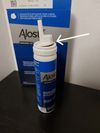
community Concern About Authenticity of Minoxidil Foam Bought Online from French Pharmacy
Concerns about potentially fake minoxidil foam due to a lifted dispensing nozzle on bottles bought online from a French pharmacy.
community Brush suggestions for diffuse thinning hair.
The conversation is about finding a suitable hairbrush for diffuse thinning hair without causing separation or flattening. The user is using oral dutasteride, minoxidil foam, Nizoral, microneedling, and Pura D’or shampoo and conditioner.
community What hair does to a man... Mohamed Salah Hair Transplant
Mohamed Salah's hair transformation, possibly involving a hair transplant, has improved his appearance. There is discussion about using finasteride and hair fibers for hair maintenance.
community Is it a safe bet to say that hair cloning will be available in the next 30 years?
community Scalp care on procapil and procyanidin b2 hair serum
User uses Indian hair serum with procapil and procyanidin b2, stopped minoxidil due to allergies. Seeks advice on hair wash techniques and products for shoulder-length hair and scalp care while using hair growth serums.
community 1 yr update of 2300 FUE hair transplant in Seoul, Korea. Dr.Ko's work.
A user shared their successful 1-year update after a 2300 FUE hair transplant in Seoul, Korea, praising Dr. Ko's work for achieving a natural-looking hairline. The conversation includes admiration for the results and inquiries about the procedure's cost and requirements.
community Eucapil is my savior - Significant reduction in hair loss (with pictures)
User ItchyRaccoon experienced significant hair loss reduction using Eucapil after trying low-dose topical finasteride with no results. Some replies mention that shed hair counts are not reliable indicators of hair loss progression or regression.
community switching to Kirkland Min from Online Pharmacy min?
The user is considering switching from an expensive topical hair loss treatment containing 8% Minoxidil, 0.3% Finasteride, Retinoic Acid, and Hydrocortisone to a cheaper Kirkland brand Minoxidil. They are concerned about the effectiveness of the lower concentration and the absence of additional ingredients.
community Has anyone experienced more shedding as a result of nopoo?
community SHEDDING doesn't mean shit. Stop worrying about it!!
Hair loss sufferers becoming hyper aware of shedding, and the various treatments available for reducing shedding. The conversation also discussed differentiating between shedding and balding, as well as the potential side effects from using certain treatments.
community 5.5 month progress - 3500 grafts- WSC clinic Istanbul
A user underwent a hair transplant with 3500 grafts at WSC clinic in Istanbul and uses finasteride, biotin, multivitamins, minoxidil with finasteride, biotin shampoo, and coconut oil with peppermint oil for hair loss treatment. Another user commented that the result looks like a barren patch of hair.
community 0-5 months: almost perfect hair regrowth. But now, after ten months….
The user experienced significant hair regrowth with topical finasteride, minoxidil, ketoconazole, and dermarolling, but later faced severe hair shedding after stopping dermarolling and reducing ketoconazole use. Suggestions included switching to oral treatments, resuming dermarolling, and considering lifestyle changes.
community People treat you way nicer when you have hair, I didn’t believe it until it happened to me
Having hair improves social interactions and treatment by others, with hair transplants and finasteride enhancing confidence and attractiveness. People often receive more positive attention after addressing hair loss.
community Cheap Dermastamp: My Experience
A user shared their positive experience using a cheap dermastamp from Aliexpress for microneedling, finding it effective and mostly painless. Other users discussed their experiences with similar products, cleaning methods, and needle lengths, with some noting differences in product quality between sellers.
community I am trying to buy pyrilutamide from this Chinese company, i found on website echemi, they told me 25gram/180 dollar, and this lab result they provided. Does this look legit to you guys ?
Hair loss discussion includes treatments like hinoki tree oil and procyanidin b2. Experiences and effectiveness of these treatments are shared.
community Affordable shampoo and conditioner suggestions for long but thinning hair?
A user with thinning, curly, dry hair is seeking affordable shampoo and conditioner recommendations. They are using oral minoxidil and apply argan oil, but dislike products with keratin and biotin, and another user suggests ketoconazole shampoo for added density and DHT blocking.
community 1100 Grafts in Crown Area - Moart Clinic in Seoul, KR
A user underwent a hair transplant at Moart Clinic in Seoul, receiving 1100 grafts in the crown area after Dutasteride and oral Minoxidil failed to improve a stubborn bald spot. The procedure was successful, with minimal pain and good post-op recovery, costing $6900 USD before a tax refund.
community Kintor does not have abandoned KX-826 - ANNUAL RESULTS 2023
The conversation discusses disappointment with the hair loss treatment KX-826 but notes that the company Kintor is still focused on developing and commercializing it, as stated in their 2023 annual report. The user questions the effectiveness of KX-826 in comparison to minoxidil's role in improving hair thickness and appearance.
community Shiseido RCH-01
Shiseido RCH-01 and Replicel's upcoming trial data release. Users discuss expected release timelines and clarify quarter dates.
community JW Pharmaceutical shows superiority of 'JW0061' in hair growth over existing treatments in US
JW0061 shows superior hair growth results compared to existing treatments, with significant increases in hair follicles. The Wnt/β-catenin pathway is crucial for hair growth, and JW0061 activates this pathway effectively.
community Do you know something about Capilia Longa?
Capilia Longa is considered as an alternative to Minoxidil for beard growth, with some users reporting positive results. However, concerns exist about its effectiveness and high cost, especially for scalp use.