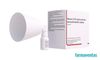
A human trial of verteporfin, a drug that can inhibit wound healing by scarring and promote regeneration of original tissue and hair follicles to provide an unlimited source for hair transplants; people discussed the potential of this drug and how it could be rolled out in mainstream with more doctors getting on board.
PP405 is seen as promising but uncertain, with users advised to continue using existing treatments like minoxidil and finasteride. Concerns include its cost, availability, and interaction with hair transplants, while some hope it could complement current treatments.
The user has been using finasteride and minoxidil for 5 years with initial success but is now experiencing hair thinning despite increasing dutasteride usage. They are considering adjusting dutasteride frequency and possibly adding treatments like eucapil, minoxidil, and GHK-Cu peptides.
A peptide-based hair loss treatment, PP405, reportedly increased hair density by 62% in 90 days, but these claims are unverified and met with skepticism. Users compared PP405 to Minoxidil and Finasteride, expressing doubts about its effectiveness without more evidence.
Pyrilutamide is a selective AR antagonist with a high binding affinity, making it effective in competing with DHT for androgen receptors. The 1% concentration is more effective than the 0.5%, but the latter may suffice for mild hair loss; the drug is considered a good option for those avoiding 5AR blockers due to side effects.
The conversation discusses using topical synthetic prostaglandins like Bimatoprost, Latanoprost, and cetirizine for hair growth. The user shares a link suggesting these treatments may be effective.
Pelage is moving to Phase III clinical trials for PP405, a hair loss treatment, with results to be presented at a medical meeting. Users express skepticism and hope, comparing it to existing treatments like Minoxidil and finasteride, while discussing the potential for new hair growth in previously bald areas.
Verteporfin is being discussed for its potential to regrow hair and heal scars, possibly aiding hair transplants or replacing them. Some users are skeptical about its effectiveness, while others suggest combining it with microneedling for better results.
PP405 is discussed as a potential hair loss treatment, with doubts about its effectiveness and availability. Users mention using finasteride and minoxidil, and express concerns about PP405's cost and market release.
The conversation is about someone considering using CB-03-01 for hair loss but has ordered finasteride, which they are hesitant to use. They are seeking advice on how to prepare CB-03-01 from powder form and the appropriate strength to use.
The conversation discusses the use of coenzyme Q10 as a potential aid for androgenetic alopecia, alongside dutasteride. The user is seeking feedback on whether coenzyme Q10 improves or worsens hair condition.
The user is experiencing severe side effects from finasteride, including sleep issues, depression, and gynecomastia, and is considering stopping the medication. They are exploring other treatments like RU58841 and dutasteride but are hesitant due to potential side effects.
A new hair loss treatment, KX-826, is being discussed as a stronger and safer alternative to RU58841 and finasteride. Opinions are mixed, with some users skeptical about its effectiveness and others considering it as part of their regimen.
Minoxidil is extremely toxic to cats, even from residue on surfaces, and can be deadly if they come into contact with it. Switching to oral minoxidil is suggested as a safer alternative for pet owners.
The conversation is a humorous and hopeful prayer for the effectiveness of finasteride in combating hair loss. Participants express gratitude and support for the treatment.
The conversation discusses using NAC (N-Acetyl Cysteine) alongside minoxidil and finasteride for hair loss, with some users noting potential hairline improvement and increased energy. The original poster reduced their finasteride dosage due to mental decline and anxiety, and while NAC's effects on hair are anecdotal, it is considered low-risk with other health benefits.
The user experienced hair regrowth using 0.5mg oral finasteride and the iRestore laser cap every other day, with reduced shedding. They also take collagen peptides and Nutrafol vitamins, though they are unsure of the latter's effectiveness.
The user experienced good hair regrowth using natural methods and mechanical stimulation but decided to add finasteride to their regimen for better results. They are optimistic about further regrowth and plan to update on the effects of finasteride, noting no significant side effects so far.
Kopexil (Aminexil) is not approved as a drug in the US and Europe because it is marketed as a cosmetic, which requires less testing and regulation. L'Oreal's 1.5% Aminexil is noted to reduce hair shedding, but its efficacy as a drug is not proven.
The conversation humorously discusses a visit to the Everychem laboratory, with a focus on hair loss treatments like Minoxidil, finasteride, and RU58841. The tone is satirical.
The group buy for CB-03-01, a topical anti-androgen for hair loss, was postponed and refunded due to issues with the product's form and solubility. The product, also known as Breezula, is an alternative to finasteride with fewer side effects, but its official release is delayed until 2021.
Pelage, backed by Google Ventures, is seen as a promising company potentially finding a cure for hair loss using stem cell activation. There is skepticism and optimism among users, with some awaiting results from ongoing trials.
The user is concerned about the effectiveness of a prescribed topical finasteride spray, Alocare, when applied to the scalp. They are unsure if hair might block the solution and reduce its effectiveness.