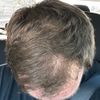
Dermarolling has potential for hair regrowth and is being used alongside minoxidil and a rosemary oil/castoroil mix. Users discuss its effectiveness and the need for more research.
A user noticed baby hairs after combing out locs and has been applying castor, rosemary, and peppermint oil daily. They are curious about progress, sharing photos from different stages.
A 24-year-old male experiencing increased hair thinning and shedding recently started using rosemary and castoroil, microneedling, and an anti-dandruff shampoo. He is considering adding Saw Palmetto and seeks recommendations for a good shampoo.
The user is asking if they are experiencing hair regrowth while using a treatment regimen that includes hair regrowth gel with castoroil, minoxidil 5% with latanoprost, dermastamping once a week, ketoconazole shampoo, and nizoral cream. They have shared photos after applying these treatments.
The user is experiencing intense hair shedding all over the scalp after applying pyrilutamide to the hairline and taking oral castoroil. They are also using topical finasteride and latanoprost, but are unsure which treatment is causing the shedding.
A user mixed peppermint, rosemary, and castoroil and applied it to their scalp, causing excessive hair shedding. They're concerned about permanent hair loss, while another user shared their experience of using undiluted rosemary oil without any major issues.
The conversation discusses creating a topical hair loss treatment by dissolving melatonin in ethanol and possibly mixing it with castoroil, questioning the stability of the solution. An alternative of using glycerin is also considered.
Elevated PGD2 levels in bald scalp tissue may contribute to hair loss, and treatments like castoroil, finasteride, and minoxidil are discussed as potential solutions. Some users explore alternatives like oral castoroil and cetirizine for those who cannot use finasteride.
User reports visible hair growth after 1.5 months using dermarolling, Jamaican black castoroil, and onion juice, having stopped minoxidil due to initial hair loss. Replies suggest continuing minoxidil despite shedding, buzzing hair, and trying finasteride or scalp massages.
A 29-year-old male experienced hair loss and found improvement using a combination of onion hair oil, castoroil, ketoconazole shampoo, and aloe vera gel with vitamin E, while discontinuing minoxidil and finasteride due to side effects. He emphasizes the importance of scalp massage and oiling for hair growth and reduced hair fall.
The conversation is about compounding topical cyclosporine for hair loss, suggesting it needs an oil base like castoroil. The user seeks tips or tricks for the process.
A user discusses using dermastamping for hair loss and questions the timing of applying a mixture of peppermint oil, spearmint oil, rosemary oil, and castoroil due to their anti-inflammatory effects. They wonder if waiting 10 hours after stamping would be more effective.
Applying oils like coconut, jojoba, and castor to hair, with methods including mixing oils and using them overnight or in a spray bottle for scalp and hair health. Users share their specific oil ratios and application techniques to avoid excessive thickness and maintain hair health.
A user shared their hair regrowth journey using topical minoxidil (5%) twice daily, along with microneedling, castoroil, and jojoba oil treatments. They experienced initial hair shedding but saw some regrowth, although their hair remains thin and uneven, and they are cautious about using finasteride due to past depression.
The conversation is about creating a topical finasteride solution without minoxidil, using an alcohol-based base like ethanol. The discussion includes using finasteride in powder form and mentions adding ingredients like glycerol, salicylic acid, or castoroil.
Applying minoxidil to eyelashes is unsafe due to potential eye irritation and chemical burns. Safer alternatives include peptide serums, castoroil, or lash lifts/extensions.
Topical dutasteride 0.05% is more effective for hair growth than oral finasteride 1mg, with minimal DHT reduction. The formulation uses castoroil and MCTs for better absorption but is not widely available until 2028.
A female user discusses hair loss possibly caused by wearing a hijab, considering treatments like derma stamping, hair serum, Nizoral shampoo, rosemary/castoroil, and possibly a hair transplant. Others suggest traction alopecia from hijab use and recommend consulting a dermatologist, with treatments like spironolactone and minoxidil.
The user experienced positive hair regrowth using topical minoxidil, along with other factors like shorter hair, castoroil, and hair masks. The user is optimistic about further progress and wants to avoid baldness.
The user switched from finasteride to dutasteride in January and noticed increased crown thinning, despite using minoxidil with rosemary, biotin, and castoroil. They are concerned about hair loss and considering visiting a clinic for further advice.
The topical solution with 1% finasteride and 5% minoxidil, using water, glycerin, and PEG-40 hydrogenated castoroil as carriers, is considered adequate for hair loss treatment. Consistent use is recommended, with full results potentially taking up to a year.
The user is using a topical solution containing 1% finasteride and 5% minoxidil for hair loss, with water, glycerin, and PEG-40 hydrogenated castoroil as carrier agents. They are questioning if these ingredients are effective carriers after using the solution for three months.
The conversation discusses hair loss treatments, including finasteride, Nizoral shampoo, peppermint/castoroil with saw palmetto, and plans to start oral minoxidil. The user seeks advice on managing scalp buildup and flakiness from topical minoxidil, especially for curly hair, and considers using both oral and topical minoxidil.
The conversation is about a user experiencing hair shedding after using a brand of RU58841, questioning its effectiveness and safety. Concerns are raised about RU58841 being an abandoned research chemical and the use of heavy oils like castor and argan oil potentially affecting absorption.
The user experienced significant hair regrowth using a regimen of minoxidil 5% twice daily, finasteride 1 mg daily, microneedling, ketoconazole 2% twice a week, and occasional castor and coconut oil, along with daily scalp massages. They are optimistic about reversing their Norwood 5/6 hair loss.
The user experienced significant hair shedding and dryness after starting minoxidil 8 months post-hair transplant, despite using finasteride and oils like castor and pumpkin seed oil. They expressed concern over the loss of density and the appearance of a failed transplant.
A user experienced initial hair shedding but saw improvement after three months using finasteride, minoxidil, and dermarolling with castoroil. They shared progress photos and sought advice for further improvement.
The user experienced positive hair regrowth using a routine of microneedling every 3 days, applying a blend of castoroil with peppermint and rosemary, bhringraj oil, and moringa oil, and using Pura D'Or DHT-blocking shampoo. They also take multivitamins and saw palmetto daily, reporting no side effects from saw palmetto.
OP saw positive results from 4 months of finasteride, vitamin D3, and microneedling. They plan to add rosemary and castoroil but decided against using minoxidil.
User switched from finasteride to dutasteride due to shedding, experienced two sheds, and now uses 5mg oral minoxidil, 0.5mg dutasteride, and 3ml oral castoroil daily. Hair has recovered from the second shed, and the user plans to maintain the current treatment.