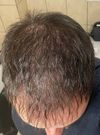
A user shared their 6-month progress using a dermaroller and a homemade shampoo made of rosemary water, aloe vera, and vitamin E for hair loss. They provided a link to photos showing their results.
Essential oils like rosemary, thyme, lavender, and cedar wood in a carrier oil may effectively treat alopecia areata and potentially male pattern baldness by stimulating the scalp similarly to minoxidil. The user plans to try this routine and share results.
The user experienced significant hair improvement using rosemary and peppermint oils, alongside minoxidil, after other treatments like finasteride and pyrilutamide showed no results. They noticed reduced hair shedding and thicker hair, particularly in the mid and crown areas.
A user shared their 3-month hair loss progress using finasteride, minoxidil, low-level light therapy, pumpkin seed oil, and rosemaryoil. The user saw a reduction in balding crown size but couldn't determine which treatment was most effective.
The conversation is about a user's hair transformation using a routine that included dermastamping, minoxidil, finasteride, ketoconazole, and rosemaryoil. The user later stopped using minoxidil and rosemaryoil due to greasiness, continuing with finasteride, dermastamping, and ketoconazole.
Peppermint oil at 3% was found to improve hair growth more effectively than Minoxidil. The user is also using a topical caffeine hair growth oil and making their own peppermint solution to combat hair thinning.
The user treated their hair loss with microneedling, nanoxidil, rosemaryoil, jojoba oil, scalp massages, keto shampoo, and supplements. They experienced significant hair regrowth and a reduction in hair shedding within 8 weeks.
The conversation is about personal experiences with Nifeishi rosemary mint oil for hair loss and requests for an ingredient review to assess its quality. Specific treatments mentioned are Minoxidil, finasteride, and RU58841.
A user is experimenting with applying undiluted peppermint oil to their scalp daily to stimulate hair growth, based on a rat study where peppermint oil outperformed minoxidil. The user reports immediate hair thickening and increased scalp blood flow, while others in the conversation express skepticism, humor, and concern about the undiluted application.
The conversation discusses using Cedarwood, Rosemary, and Lavender essential oils for hair growth and preventing hair loss. The user plans to apply Cedarwood oil daily.
The user has tried finasteride, minoxidil, dutasteride, microneedling, retinol, topical finasteride, and ketoconazole for hair loss but continues to experience hair recession. They are considering adding oral minoxidil or RU58841 and are unsure about the next steps.
The conversation discusses using Sandalore for hair loss treatment, with a focus on finding the correct concentration for a topical lotion. The consensus is to start with a 0.1% concentration due to potential scalp irritation at higher levels.
Herbal treatments like pumpkin seed oil, saw palmetto, and rosemaryoil showed little to no effectiveness for hair loss, with some users experiencing negative effects. Regular treatments like finasteride and minoxidil are suggested to be more effective, while vigorous scalp massage and low-level laser therapy (LLLT) might offer some benefits.
The user shared a one-year progress of treating hair loss with finasteride, minoxidil capsules, and rosemaryoil, and also improved mental health by addressing childhood trauma and changing negative thought patterns. Commenters congratulated the user on both hair regrowth and mental health progress, with one asking for advice on overcoming self-hatred and low confidence.
Essential oils like lavender, peppermint, and rosemary may help with hair growth, similar to Minoxidil. Turmeric with piperin might be as effective as Finasteride without side effects.
A user noticed worsening hair thinning and started using rosemaryoil, jojoba oil, a 1.5mm dermastamp, 1% ketoconazole shampoo, scalp massages, and vitamin D tablets. They may switch to Minoxidil and Finasteride if needed.
The conversation discusses using a mixture of 4% peppermint oil in jojoba oil to reduce flaking and dandruff caused by 5% Minoxidil lotion. The user reports significant improvement after one application of the oil mixture.
The user is exploring alternatives to finasteride and dutasteride due to concerns about side effects, and is using rosemary and jojoba oil, ketoconazole, minoxidil, microneedling, multi-peptide serum, saw palmetto, and stinging nettle for hair loss. They are also considering CB 03 01 and spironolactone.
The effects of using various treatments on hair loss, with one user reporting positive results after 6 months and another user commending their progress. Treatments discussed include rosemary mixed with jojoba oil, minoxidil, finasteride, dermarolling, dermastamp, and Nizoral shampoo.
Hair loss treatment involves gland treatment with iodine, liver extract, wild American ginseng, and black cohosh, along with crude oil scalp massage. The approach aims to stimulate hormones and improve blood circulation to promote hair growth.
The user shared progress after one year of using Minoxidil, rosemaryoil, and dermarolling for hair loss, noting fuller hair despite some scalp exposure. Another user inquired about the dermarolling process and frequency.
The conversation discusses hair loss treatment progress using Minoxidil, a 0.5mm derma stamp, and caffeine serum, with additional use of rosemary, peppermint, and olive oil. The user is avoiding DHT blockers like Finasteride due to potential interference with other medications.
The user plans to use an electric microneedling pen for hair loss, set to penetrate 0.6mm to 0.8mm, and apply rosemaryoil in jojoba oil post-treatment. They also intend to use 5% Minoxidil daily, followed by a blend of rosemary, peppermint, and jojoba oils.
The user is using 2.5 mg oral minoxidil, rosemary essential oil with olive oil, biotin, folli hair tablets, and a rice water mask for hair regrowth. Another user inquired about finasteride, and others wished the user good luck and asked for updates.
The user is experiencing scalp irritation from using RU58841 with a 70% ethanol and 30% propylene glycol vehicle and is considering switching to a less irritating vehicle, such as 30% ethanol with 70% squalane or emu oil. They are seeking feedback on the effectiveness and irritation levels of these alternative carriers.
The conversation discusses a user's hair growth routine involving scalp massages, dermastamping, and rosemaryoil, with mixed opinions on its effectiveness. Some users suggest proven treatments like minoxidil and finasteride, while others debate the merits of alternative methods.
The user is considering adding Stemoxydine to their hair loss regimen, as they already use topical finasteride with rosemary and cannot use Minoxidil. They are seeking feedback on Stemoxydine and Alphatradiol, and another user mentions 2-deoxy-d-ribose as a potential option.