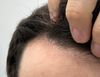
The conversation discusses hair loss treatment progress 11 weeks after a crown transplant. The user is using minoxidil every two days and biotin daily, without finasteride.
People are discussing the anticipated release of PP405 phase 2a results, expected by the end of March, with some skepticism about its effectiveness. There is cautious optimism due to past experiences with similar treatments like Breezula, despite concerns about the lack of presentation at the AAD 2026 conference.
The user has been using finasteride, minoxidil, and microneedling consistently for one month to improve hair regrowth. They also use collagen peptides, pumpkin seed oil, vitamin D, biotin, nizoral shampoo, adenosine shampoo, caffeine topical, and rosemary oil as part of their routine.
Kintor Pharma successfully dosed the first patient in a Phase II trial for KX-826 for acne vulgaris. Users are more interested in results for male pattern baldness (MPB).
A 29-year-old shared their crown hair recovery using a daily liposomal topical solution of finasteride and minoxidil, low-level light therapy, and specific vitamins, noting significant improvement without side effects. They experienced issues with oral finasteride previously but not with the topical treatment.
A user shared progress pictures showing significant hair regrowth after using 1mg finasteride and weekly microneedling for about 2.5 to 3 months. The user reported no side effects and maintained good health and mood.
A user shared impressive hair growth results after 77 days using oral finasteride, topical minoxidil, and weekly microneedling. They reported thicker, darker hair and minimal shedding, with treatment costs around 30 euros per month.
The conversation discusses using microneedling with growth factor serum, PRF injections, dutasteride, oral and topical minoxidil, and topical exosomes to treat hair loss, particularly on the crown. OP plans to microneedle twice a month and seeks feedback on Korean growth factor serums.
The conversation is about a 21-year-old using finasteride, dermarolling, ketoconazole shampoo, hair growth serums, and exosome therapy to treat early-stage thinning on the crown. They are questioning if these treatments are sufficient to improve hair thickness.
The user had a hair transplant and is asking when they can resume microneedling their forehead, which they did previously once a week with positive results on their crown. They are currently on a treatment regimen that includes oral finasteride, oral and topical minoxidil, ketoconazole shampoo, and black castor oil for moisturizing.
A user has been using finasteride since 2018, switched to dutasteride, and added minoxidil, microneedling, and a tretinoin/spiro compound. They are pleased with the results and hopeful for more improvement.
The user is considering changing their hair loss treatment from topical minoxidil and oral finasteride to oral minoxidil and oral dutasteride, with suggestions to add microneedling and possibly red light therapy. They are also exploring the addition of a caffeine and adenosine mix to their regimen.
A user's results after 10 months of hair transplant surgery, which they had been taking care of with 0.5mg/day finasteride, 1x daily minoxidil and 1.5 times weekly microneedling treatments. One other user replied positively to the post.
A 19-year-old male with no family history of androgenetic alopecia (AGA) is experiencing hair loss and considering using a topical minoxidil and finasteride mixture. Despite low vitamin D levels and normal DHT serum levels, he seeks confirmation of AGA before starting treatment.
Lab-grown hair using iPSCs is being explored, but practical applications are limited. Finasteride is suggested as the only current effective treatment.
Microneedling may help regrow hair in dormant bald regions by stimulating stem cell transfer. Users discuss its effectiveness and how collagen might aid in the process.
The user experienced hair repigmentation and attributes improvements in hair and overall health to a carnivore diet, Boron, and Selenium supplementation. They stopped using finasteride after 20 years, noticed increased testosterone and libido, and observed hair regrowth with RU58841.
Men with early male pattern baldness (MPB) may have hormonal abnormalities similar to those in women with PCOS. Specific treatments mentioned include Minoxidil, Finasteride, and RU58841.
PP405's phase 2a trial results were presented, focusing on safety and pharmacokinetics, with a future meeting planned to share the full dataset. The trial includes a randomized controlled portion and an open-label extension, with no indication of phase 2B completion.
A user is documenting their natural approach to treating a receding hairline using a dermastamp, essential oils (rosemary oil at 3% dilution with pumpkin seed oil), a multivitamin with vitamin D, and daily collagen shakes. They acknowledge the common recommendations of minoxidil and finasteride but prefer to test natural methods and share their results.
A 28-year-old male is experiencing temple regrowth but crown thinning while using 5mg minoxidil and 0.5mg dutasteride. The shedding phase is seen as a positive sign of treatment effectiveness, with expectations of noticeable improvements around 6 to 12 months.
The user is experiencing sudden hair loss and is considering micro-needling, low-level light therapy, iron supplements, folihair, and Omega 3. They are hesitant to start finasteride, suspecting the hair loss might be due to telogen effluvium from a past COVID-19 infection.
The user is exploring hair loss treatments and is interested in procyanidin B2 and annurca apples but has concerns about the effectiveness and availability of supplements. They cannot use Dutasteride or Finasteride and are considering Minoxidil with microneedling.
The conversation is about seeking updates on the hair loss treatment RCH-01, specifically its next phase and any news from Shiseido. The user recalls someone being in contact with a researcher or company representative.
Microneedling once a week at 1mm caused bumps, possibly scars, in the treated area. The user is considering cleaning the skin before microneedling to prevent this issue.
Despite using treatments like Dutasteride, Minoxidil, RU58841, and GHK-Cu injections, the individual continues to experience aggressive hair thinning and is seeking a specialist for further help. Suggestions include trying finasteride, dermarolling, or another hair transplant.
The conversation is about someone who initially had positive results with Minoxidil for hair loss, lost those gains due to a hospital stay, and is now not seeing the same results upon resuming treatment. They plan to add microneedling and/or tretinoin to their regimen and are seeking success stories from others who did not respond to Minoxidil alone.
Microneedling with exosomes is being considered for hair regrowth, but concerns exist about their effectiveness and safety, especially since exosomes degrade quickly and lack FDA approval. The user is seeking alternatives for non-responders to minoxidil and dutasteride, as exosomes may not provide additional benefits.
The user shared their successful hair regrowth journey using minoxidil 5% twice daily and weekly microneedling. Other users suggested adding finasteride to maintain gains long-term.