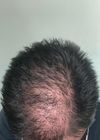
A 33-year-old man experienced diffuse thinning and hair shedding due to sleep deprivation and low testosterone. After starting hCG treatment, he noticed hair regrowth on his temples.
The conversation discusses using cyproterone temporarily to reverse hair loss, followed by finasteride to maintain regrowth. Concerns about cyproterone's side effects, such as lowering testosterone and potential health risks, are raised, with alternatives like spironolactone suggested for androgen-related issues.
A 21-year-old shares their one-year progress using finasteride for hair loss, experiencing initial shedding but eventual regrowth, especially on the crown. They consider switching to dutasteride due to continued hair loss at the front temple and mid-scalp areas.
An 18-year-old male experiencing hair loss since 2023 is using minoxidil, microneedling, and topical finasteride. He is considering switching to oral finasteride for potentially better results.
A 20-year-old lost significant hair after one year of treatment, using minoxidil, finasteride, and later dutasteride. They are considering adding RU58841 but are advised to return to finasteride and minoxidil for a year before deciding.
A 38-year-old user shared progress pictures after 3.5 months of using oral dutasteride, oral minoxidil, dermastamping, and Nizoral shampoo, reporting significant hair regrowth. The user is optimistic about further improvement, while others discuss the effectiveness and side effects of these treatments.
The conversation discusses the link between increased estrogen and autoimmune diseases, with a focus on avoiding soy and milk. It also mentions treatments like Minoxidil, finasteride, and RU58841 for hair loss.
A 24-year-old has been using finasteride, oral minoxidil, and microneedling for hair loss. They reduced minoxidil due to heartburn and are considering a hair transplant.
The user experienced significant hair regrowth using a treatment regimen including finasteride, oral and topical minoxidil, RU58841, red light therapy, microneedling, and various supplements. They switched from dutasteride to finasteride due to side effects and reported improved results and well-being.
RU58841 is being discussed as a hair loss treatment without using finasteride or dutasteride. Users are sharing their experiences and success with RU58841 alone.
A 26-year-old man shared his positive results after 10 months of treating male pattern baldness using a regimen that includes Estradiol Enanthate, DHPA, Bicalutamide, Dutasteride, oral and topical Minoxidil, and a dermaroller. He experienced mild gynecomastia and reduced body hair as side effects but was satisfied with the outcome.
A 19-year-old male shared his 3-month hair regrowth progress using finasteride, minoxidil, and microneedling, with noticeable improvement. He uses 1mg oral finasteride daily, 5% minoxidil foam twice a day after day 80, and microneedles with a 1.5mm derma stamp every 1-2 weeks.
The conversation is about someone planning to start finasteride for hair loss and wanting to interpret pre-treatment blood panels to assess the risk of side effects like gynecomastia. They list various tests to measure hormone levels and other health indicators.
The user is using RU58841 twice daily, dutasteride 0.5mg every two days, dutasteride mesotherapy every three months, and 20mg oral minoxidil daily. Other users suggest this regimen is excessive and recommend adding microneedling and ketoconazole shampoo.
The conversation discusses using ketoconazole, an anti-androgen, for hair loss and whether mesotherapy with dermarolling could enhance its absorption into the scalp. The user questions if the typical 2% ketoconazole shampoo dose would be effective when used after dermarolling to target androgen receptors in the scalp.
The conversation discusses maintaining hair regrowth using minoxidil and finasteride and whether using gt20029, which degrades androgen receptors, would affect this. Fluridil, a similar treatment, can disable over 90% of active androgen receptors.
The conversation is about making a 20mg/ml RU58841 solution for hair loss treatment using ethanol and propylene glycol. The user receives advice on calculating the correct amount of RU58841 powder needed.
A 19-year-old shared 6-month progress photos after using only finasteride for hair loss, noting no significant changes and considering adding oral minoxidil. Others commented that the hair looks healthy and suggested continuing the current treatment.
The conversation is about choosing a topical antiandrogen for hair loss, with options including RU58841, CB0301, Pyrolutamide, Alfatradiol, and Fluridil. Users discuss their preferences and reasons for selecting specific treatments.
The user is seeking help with using Ell-Cranell for hair loss treatment. They are unsure about the correct application method and dosage. They also inquire about combining microneedling with topical alfatradiol and question a study that referred to alfatradiol as a hair growth inhibitor in male mice.
The conversation discusses the use of RU58841 for hair loss, focusing on its side effects, standardization issues, and user experiences. The user also inquires about the use of other treatments like minoxidil, finasteride, and microneedling.
A user tried the Rapid Minoxidil Response Test (TrichoGene) and found they don't respond to topical Minoxidil, so they added tretinoin. The test is available internationally, and another user is considering ordering it.
People are discussing the anticipated release of PP405 phase 2a results, expected by the end of March, with some skepticism about its effectiveness. There is cautious optimism due to past experiences with similar treatments like Breezula, despite concerns about the lack of presentation at the AAD 2026 conference.
A 39-year-old man shared his 18-month hair regrowth progress using oral dutasteride, oral minoxidil, saw palmetto, biotin, red light therapy, and microneedling. He experienced significant improvement after switching from finasteride to dutasteride and adding oral minoxidil, with plans to possibly consider a hair transplant in the future.
Finasteride and Nizoral shampoo with Ketoconazole are used for hair loss treatment. Liquid Chromatography–Mass Spectrometry (LC-MS) is recommended over Enzyme-Linked Immunosorbent Assay (ELISA) for more accurate DHT testing.
A 23-year-old male shares progress pictures after two months of using oral finasteride and topical minoxidil for hair loss, noting significant improvement in hair fullness and reduced scalp sensitivity. The user expresses gratitude for the dermatologist's support and the community's advice.
The user is considering whether to add RU58841 or Nizoral shampoo to their current hair loss treatment of finasteride and minoxidil, noting budget constraints and concerns about hair dryness. They are unsure if RU58841 is worth adding or if they should use both treatments to see the effects.
A 24-year-old uses microneedling, tretinoin, topical and oral minoxidil, and oral finasteride for hair growth, noticing baby hair growth and initial side effects that resolved. Another user shares a similar regimen, excluding finasteride.
The user experienced concerning side effects like throat irritation, shortness of breath, chest pain, and testicle pain after using RU58841 for hair loss, despite also using finasteride and minoxidil. Other users shared mixed experiences, with one advising to stop using RU58841 due to similar side effects, while another reported significant hair loss reduction without side effects.