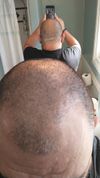
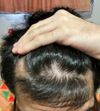
An 18-year-old experienced hair regrowth using 5% liquid minoxidil and plans to start finasteride at 19. The user noticed thicker hair and new growth, particularly around the temples, and feels more confident.
A user discusses using tazarotene to enhance minoxidil's effectiveness for hair regrowth, believing it will make a significant difference. Others caution about potential risks of retinoids accelerating hair loss in some individuals.
A user is participating in a phase 3 trial for Clascoterone, a topical acne medication that may stimulate hair growth, and will share results after 6 months. They will have a section of their hair shaved and marked with a tattoo for the study.
A 22-year-old experiencing hair loss and persistent scalp itchiness since age 16 has tried various treatments, including finasteride, ketoconazole shampoo, and dietary changes, with no success. Suggestions include consulting a knowledgeable dermatologist, considering seborrheic dermatitis, and trying different shampoos like Selsun Blue or those with selenium sulfide.
A 22-year-old male has been using finasteride for 4 months without major side effects but is concerned about hormone test results showing low SHBG and high estrogen. He plans to consult a doctor and is considering alternatives like minoxidil or topical finasteride to avoid health issues.
A 22-year-old male with hair loss is considering treatments like finasteride, minoxidil, and derma rolling after being diagnosed with MPB, vitamin D deficiency, and dandruff. He seeks advice on whether these treatments can realistically improve his hair density and achieve a healthier NW2.
The conversation discusses using red light therapy as a complementary treatment for hair loss alongside finasteride, minoxidil, and other supplements. It suggests investing in reputable, albeit expensive, red light devices for effectiveness and mentions the potential benefits of scalp massage.
Ketoconazole 2% shampoo effectively regrew hair by treating scalp dermatitis and inflammation. The user also used jojoba and oat oil, Aveeno moisturizer, and hyaluronic acid for scalp care.
An 18-year-old in India is seeking a dutasteride prescription for aggressive hair loss, as family members are bald by age 20. Local doctors advised against it, so they are considering using Indian telemedicine apps for a prescription.
A 19-year-old diagnosed with AGA was refused finasteride by a dermatologist who cited fertility concerns and prescribed minoxidil, vitamins, and shampoos instead. The user is unsure about using minoxidil and considers finding another dermatologist.
A 36-year-old male using dutasteride and minoxidil has seen significant hair regrowth, confirmed by a dermatologist and supported by before-and-after photos. He plans to increase his oral minoxidil dosage and add dermapen to his routine.
The conversation is about a 23-year-old who started treating their hair loss with daily oral dutasteride (0.5mg), oral minoxidil (2.5mg), topical RU58841 (80mg), and weekly microneedling at 1.5mm after seeing others' success stories. Significant improvements have been noted, and there is optimism for even better results in the next 6 months.
User discusses group buy for finerenone, a third-gen mineralocorticoid antagonist for hair loss treatment. Finerenone inhibits TGFb, NOX, and ROS, and improves renal and cardiac function; topical dose should be no more than 10mg per day.
Some users of RU-58841 report cardiovascular symptoms like heart palpitations and chest tightness, which may be linked to its metabolites causing lung disease. The safety of RU-58841 is uncertain due to lack of long-term data and concerns about product purity, especially from gray market sources.
The conclusion of the conversation is that the user, djamezz, has experienced significant regrowth and improved density in their hairline by using treatments such as RU (RU58841), dut (dutasteride), and Inkey's Caffeine Scalp treatment. They are satisfied with their progress and do not plan to cut off their hair.
Promising hair loss treatments in clinical trials include Pyrilutamide, GT20029, CB-03-01, and PP405, with potential market releases between 2027 and 2029. Hair cloning remains experimental and expensive, while existing treatments like finasteride, minoxidil, and microneedling continue to be used.
Finasteride, minoxidil, and derma rolling are currently the best treatments for hair loss. New treatments like TDM-105795, GT20029, PP405, HMI 115, Tsuji, Scube 3, RU, JW0061, Topilutamide, and verteporfin show promise but have uncertain timelines.
The user experienced side effects from RU58841, including dry eyes and potential eyesight issues, and decided to stop using it. They confirmed the product's legitimacy but advised caution due to its experimental status and lack of safety data.
A user experienced rapid hair loss and was prescribed Desonide cream for mild Alopecia. They are seeking feedback on its effectiveness and potential side effects.
A 19-year-old trans female has been using topical minoxidil and dermarolling for nearly two months, alongside oral minoxidil, finasteride, spironolactone, and estrogen. She noticed significant hair improvement after starting topical minoxidil and dermarolling.
The conclusion of this conversation is that the user experienced hair regrowth and increased overall hair thickness after using dutasteride and derma pen treatments for 5 years. They did not experience any side effects.
MCL-1 is important for hair follicle stem cell survival, but its impact on human hair regrowth is unclear. Minoxidil and finasteride are the main treatments, with doubts about new discoveries leading to effective human solutions soon.
The conversation is about someone looking for specific side effects reported in clinical trials for GT20029, a hair loss treatment. No results or data were found on the clinical trials site.
A monoclonal antibody clinical trial for potential hair loss treatments in Victoria, Australia and the discussion of their efficacy. People shared information about similar drugs already on the market, speculated about potential side effects, and discussed how to spread the word about the trial.
The user has been using 1mg finasteride daily, 2.5mg minoxidil daily, topical tretinoin three times a week, and topical minoxidil daily from June 2023 to June 2025 without noticeable improvement in hair loss. Suggestions include switching to dutasteride and increasing oral minoxidil to 5mg daily, but concerns about long-term health effects are raised.
The user is experiencing shedding of thick, healthy hair after using KX826 0.5% for a month. They are concerned about losing coverage and are seeking others' experiences with regrowth.
A human trial involving verteporfin for hair regeneration, with the results showing some regrowth of 1-2 hairs in an area where a follicular unit was extracted. The conversation also suggested that future studies should involve higher doses and more frequent injections.
Using tretinoin or tazarotene with minoxidil may eliminate the need for microneedling or dermastamping. Microneedling can enhance minoxidil's effects but may cause long-term scalp issues.