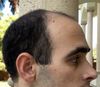
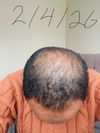
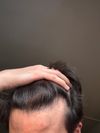
A 20-year-old with thinning hair has low vitamin D and normal testosterone. They are prescribed oral minoxidil and vitamin D, and are questioning if finasteride is also necessary.
PP405 cannot restore extracted hair follicles after a transplant as they are removed, not dormant. Combining verteporphin with wounding and PP405 is suggested but not confirmed effective.
Hair loss treatments, including PP405, minoxidil, finasteride, and RU58841, with hopes for future solutions. Participants discuss the emotional impact of hair loss and consider alternatives like hair transplants or acceptance.
Kx-826 at 0.5% shows limited effectiveness for hair loss, while 1% is more promising but expensive. RU58841 is considered a more feasible option until 1% kx-826 becomes affordable.
A 28-year-old male using Tugain 10 minoxidil, Finpecia 1mg finasteride, Cipla Ketoconazole shampoo, and dermarolling 0.5mm weekly for 3-4 months is seeing some hair regrowth. Encouragement is given to continue the regimen.
A user shared impressive hair growth results after 77 days using oral finasteride, topical minoxidil, and weekly microneedling. They reported thicker, darker hair and minimal shedding, with treatment costs around 30 euros per month.
The user has been taking 1.25 mg of finasteride daily for over a year, noticing thicker hair and some regrowth. They plan to start using topical minoxidil, dermarolling, and mesotherapy before a hair transplant in February 2026.
The user started treating their slightly thinning, receded hairline with a serum containing Redensyl and other ingredients, and dermarolling weekly. They recently began taking finasteride and plan to stop Redensyl in the future to test if hair loss resumes.
A user is treating their advanced hair loss with a regimen including topical finasteride, minoxidil, hydrocortisone, stem cell serum, peptide serum, multivitamins, he shou wu tea, derma pen, argan oil, and a derma roller. Replies suggest it's too early to judge progress and recommend staying consistent, with one suggesting oral minoxidil as an additional option.
A 24-year-old is using 5% topical minoxidil once daily, 1mg finasteride daily, and a derma stamp weekly for hair thickening. Users advise patience, caution with the derma stamp, and suggest waiting longer to see significant results.
The user experienced significant hair regrowth using a daily regimen of finasteride, minoxidil foam, and scalp massages over three years, with no side effects from finasteride. They noticed new hair growth within 1-2 months and have maintained their results, sharing their experience to help others.
A 25-year-old is using finasteride for hair loss and plans to start minoxidil and ketoconazole shampoo soon. They hope to see hair regrowth and will continue to shave their head while monitoring progress.
The post discusses the user's experience with hair loss treatment RU58841, which was tested for quality and found to be 96+% pure. The conversation includes various responses, with some users questioning the safety of the product and others expressing satisfaction with the test results.
A 44-year-old man experienced significant hair regrowth after switching from topical to 1.25mg oral minoxidil and 0.5mg daily finasteride, with no side effects. He noticed hair thickening after two months and credits the oral form's effectiveness.
A 40-year-old male has been using 5% minoxidil foam, 1mg finasteride, and a derma roller weekly for 2.5 months to treat hair loss. He is seeking feedback on whether the treatment is showing progress or if it's too early to tell.
The user tried Redensyl but stopped using topical finasteride and continued with 5% minoxidil. They are experiencing hair loss and considering accepting baldness.
Folligenz liposomal minoxidil sulfate is being discussed for its effectiveness and cost, with users comparing it to regular minoxidil and tretinoin. One user found no difference with the 10% version and noted that a lower tretinoin percentage reduced side effects like skin peeling.
The conversation discusses hair regrowth using Finasteride, Alpecin shampoo, vitamins, RCP serums, and Redensyl, with noticeable improvement in the fifth month. The user experienced some shedding initially but found stability without using Minoxidil, as advised by their dermatologist.
The user experienced significant hair regrowth and reduced shedding after increasing their dosage of minoxidil to 5mg daily and finasteride to 5mg three times a week. They reported noticeable improvements within five months and encouraged others to consider this treatment.
The conversation discusses the link between increased estrogen and autoimmune diseases, with a focus on avoiding soy and milk. It also mentions treatments like Minoxidil, finasteride, and RU58841 for hair loss.
Veradermics' phase 2 trial of slow-release oral minoxidil shows promising hair regrowth with minimized side effects, gaining significant attention and funding. PP405 is also noted for its potential as a side-effect-free alternative.
A mixture of MSM, kombucha, and black tea was applied topically for hair growth in mice. The conversation suggests skepticism about translating these results to humans.
Using 0.025% tretinoin may enhance minoxidil's effects for hair loss. Users suggest starting with 0.025% and gradually increasing the concentration, and discuss combining treatments like microneedling.
The user is using topical finasteride, Bioscalin, Omega 3, and hair filler therapy for hair loss. There is some progress noted, but varying photo angles and lighting make it hard to assess fully.
The user noticed a significant improvement in hair loss after 3.5 months using a topical treatment of 7% Minoxidil, 0.1% Finasteride, and 0.025% Tretinoin, which was prescribed and shipped from a pharmacy in Indiana. Other users discussed alternative products with varying concentrations of Minoxidil and Finasteride.
The user is concerned about starting finasteride due to ongoing body development and seeks alternatives to maintain hair until age 25. They are considering options other than finasteride for hair loss management.
The user is experiencing solid hair regrowth after two months using a regimen of minoxidil foam, a 3-in-1 topical spray containing finasteride and tretinoin, and weekly dermastamping. They report no side effects and attribute success to the combination of treatments and a supportive diet and lifestyle.
A user shared a 25-day progress picture showing significant hairline restoration attributed to microneedling, in addition to using minoxidil and finasteride for 6 months. Other users discussed needle length, frequency, and whether the effects of microneedling are permanent.
A 23-year-old has been using 5% minoxidil and derma stamping for three months to address hair loss, with noticeable improvement. Users suggest adding finasteride to prevent further hair loss, as minoxidil alone doesn't address the underlying DHT issue.
A person treated their diffuse alopecia with oral minoxidil (10mg daily), oral finasteride (reduced to 0.25mg daily due to side effects), castor oil, vitamins, and ashwagandha, and plans a hair transplant in Turkey. They stopped using topical minoxidil, have seen improved hair density, but are still experiencing hair loss.