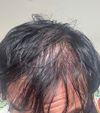
A user claims to have reversed baldness, possibly due to telogen effluvium recovery after weight loss. Others discuss the potential success of using GHK-Cu for hair regrowth.
A user shared their hair regrowth progress after a year of derma stamping, daily minoxidil, and four months of oral finasteride, along with regular workouts. Others discussed the effectiveness of these treatments and additional methods like red light therapy and RU58841.
Treatments for hair loss, specifically the use of minoxidil, finasteride and RU58841. Replies to this post suggest that users should share relevant information publicly rather than through direct messages.
A 41-year-old with over 10 years of hair loss showed progress after 2 months using topical finasteride and minoxidil, dermaroller, DHT blocker shampoo, laser cap, and vitamins B12, Biotin, D3. Commenters are impressed with the results and suggest continued treatment and focus on health for further improvement.
Current treatments like finasteride, minoxidil, and derma rolling are considered the best for hair loss, while new treatments such as GT20029, PP405, and others are in various trial phases with results expected in the coming years. There is cautious optimism about the affordability and effectiveness of these upcoming treatments.
A user successfully regrew hair using 1mg Finasteride daily, 5% topical Minoxidil 1-2 times a day, and weekly derma stamping, with no side effects. Others shared their hair loss struggles and interest in these treatments.
A user shared their positive experience 5 months after a hair transplant, emphasizing the importance of thorough research and using finasteride and minoxidil to control hair loss. They had 3700 grafts transplanted to the front/mid-scalp and used medications to fill in the crown.
A 46-year-old shared 1.6 years of hair regrowth progress using a regimen that includes Minoxidil, Finasteride, and possibly other treatments. Suggestions included considering a hair transplant, using dutasteride, and adding tretinoin for further improvement.
The user shared a four-month update on their hair regrowth journey using 1mg daily finasteride, 5mg daily oral minoxidil, and weekly dermarolling, noting significant improvement in hair thickness and uniform growth. They reported no side effects from minoxidil except increased hair growth on arms, fingers, and eyelashes.
A 38-year-old man from Poland, balding for 15 years, shared his hair regrowth progress after 4 months of using finasteride (fin), minoxidil (min), micro-needling, and infrared light treatments. He recently switched from finasteride to dutasteride.
The user had a hair transplant with 2000 grafts in the frontal and mid-scalp areas and has been using finasteride and minoxidil for 3 months. The crown area is expected to improve with continued treatment, and results are generally positive so far.
Low-Level Laser Therapy (LLLT) is seen as a safe and effective method for maintaining hair and promoting regrowth in androgenetic alopecia (AGA) and male pattern baldness (MPB), with devices like the HairMax LaserComb® and iRestore helmet being popular. Some users and professionals are skeptical about its long-term effectiveness and cost.
A user shared their personal experience with hair loss treatment, detailing their journey from initial hairline thinning to regrowth. They tried several protocols, with the most effective being a combination of finasteride, minoxidil, dermarolling, and topical tretinoin, and plan to continue finasteride daily.
Male pattern baldness (MPB) may be influenced by androgen receptors in scalp hairfollicles and potentially poor blood flow. Transplanted hair is not immune to DHT, and factors like inflammation and scalp tension might also contribute to hair loss.
A 20-year-old male experienced early hair thinning due to male pattern baldness and successfully thickened his hair using oral finasteride and topical minoxidil. The conversation highlights the importance of early action and overcoming fear of medication side effects.
A 35-year-old man with 10 years of hair loss at NRW7 started using topical Minoxidil and noticed some hair regrowth. He plans to continue with Minoxidil, add microneedling, and possibly try topical treatments like finasteride or dutasteride.
The user documented hair regrowth progress over 8 weeks using Minoxidil foam twice daily and weekly microneedling. Another user suggested adding finasteride for better results.
A user shared their positive experience with oral finasteride (1.2mg daily) and minoxidil (3mg daily) for hair regrowth, noting no side effects and significant improvement in hair density. Other users discussed their experiences with these treatments, including side effects and different application methods, with some expressing skepticism about side effects and others sharing their own challenges.
A user's successful hair transplant, with some people questioning the donor area regrowth, and others speculating that hair fibre may have been used to help fill in areas.
A user who experienced positive results from using finasteride and dutasteride to treat their hair loss, with 2000 grafts being transplanted in the temples area for further improvement. They also discussed cost and other treatments such as minoxidil.
AnagenInc is ready to produce a hair loss treatment called GT20029 if there is enough demand. People are discussing combining it with other treatments like finasteride and minoxidil, and some are concerned about the legitimacy and safety of gray market products.
The user is using topical finasteride and minoxidil daily and has had a hair transplant, but their hair remains thin. They are considering using dutasteride to address the issue.
The user successfully managed hair regrowth by using a combination of finasteride, dutasteride, minoxidil, and specific shampoos to treat seborrheic dermatitis. They emphasize the importance of maintaining a healthy scalp and are considering food intolerance tests to further address inflammation.
A user shared their experience with scalp micropigmentation (SMP) after one year. They discussed using Minoxidil, finasteride, and RU58841 as treatments for hair loss.
The user is concerned about having a straight, low hairline after a hair transplant and is unable to take finasteride due to high estrogen and prolactin levels. They have used minoxidil with limited success and are considering further transplants to lower the hairline, while others suggest the risks of using up donor hair too quickly.
The user experiencing diffuse hair loss is using various treatments including RU58841, finasteride, minoxidil with tretinoin, anti-hair loss shampoo, and microneedling, and is considering adding peptides TB500, BPC157, and GHK-Cu. They have low growth hormone levels and are questioning its impact on hair loss, while another user suggests androgenic alopecia and androgens are likely the main cause of hair loss.
Scientists discovered a potential baldness treatment from hairy moles, which can be injected like Botox. Users discussed the treatment's implications, including its safety and effectiveness.
A 25-year-old shares progress on hair regrowth using finasteride, ketoconazole shampoo, Alpecin caffeine shampoo, and topical minoxidil, noting improved hair health but persistent temple thinning. They consider switching to oral minoxidil, adding microneedling, and possibly a hair transplant after one year.
The user experienced hair loss and started using minoxidil (5%) and finasteride (0.5 mg daily) with inconsistent application but still saw noticeable improvements by the end of January. They use the liquid form of minoxidil.