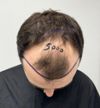
User seeks participants for Verteporfin group buy. Verteporfin, FDA approved, may regenerate hair follicles and sweat glands through heavy microneedling.
A dermatologist advised a patient to stop taking finasteride (fin) after turning 40 due to potential risk of aggressive prostate cancer. The patient and others in the conversation debated this advice, discussing the relationship between finasteride, prostate cancer, and hair loss, and considering alternatives like topical finasteride.
A 26-year-old male experienced hair thinning since age 18 and tried various treatments, including topical minoxidil, oral finasteride, and a hair transplant. He is currently using topical finasteride, minoxidil, tretinoin, hydrocortisone, and oral dutasteride, and is satisfied with the results 6.5 months post-transplant.
Autologous exosome treatment for hair loss is being discussed as an emerging option. Minoxidil, finasteride, and RU58841 are also mentioned as treatments.
A 36-year-old considering a fourth hair transplant is advised to either shave his head or use a hair system due to poor results from previous transplants and late medication use. He plans to consult top surgeons and adjust his current treatments, including finasteride and minoxidil.
A human trial of verteporfin, a drug that can inhibit wound healing by scarring and promote regeneration of original tissue and hair follicles to provide an unlimited source for hair transplants; people discussed the potential of this drug and how it could be rolled out in mainstream with more doctors getting on board.
The user is experiencing positive hair regrowth results after four months of using oral finasteride (1mg daily), oral minoxidil (5mg daily), Polaris NR02 shampoo, and ketoconazole 2% shampoo. They plan to continue the regimen and consider a hair transplant in the future, with no reported side effects from the current treatment.
The conversation discusses the potential effectiveness and future results of the hair loss treatment pp405, with questions about its impact on different hair loss stages and areas. There is anticipation for phase 3 trial results to provide more data, and hope that pp405 could enhance hair transplant outcomes.
Pelage is delaying the start of phase 3 trials for PP405 to 2026 due to necessary regulatory processes, despite having $120 million in funding. Users discuss the potential of PP405 for hair regrowth, with some expressing skepticism and others hopeful for new treatments like Breezula.
A user shared impressive progress at 4 months post-hair transplant with 5120 grafts by Dr. Ahmet Yildirim in Istanbul. The user expressed satisfaction with the results, which exceeded expectations.
Clascoterone 5% solution showed a 539% improvement in hair count compared to placebo, but the actual increase in hair growth is minimal. Users express skepticism about the effectiveness of hair loss treatments.
PP405 is a potential hair loss treatment showing promise, especially for men with severe balding. Some are hopeful it will be a game-changer for those who cannot tolerate finasteride or minoxidil, despite skepticism about the outcomes.
The conversation discusses the potential updates on the pp405 trial for hair loss, with completion expected by December 2025. Participants express skepticism about new treatments, suggesting continued use of finasteride, while others hope for innovative solutions beyond current medications.
The user increased their steroid dosage and noticed hair shedding, so they adjusted their regimen by reducing steroid doses and adding oral dutasteride. They are also experimenting with combining RU-58841 and KX-826/pyrilutamide in minoxidil to address hair loss.
RU58841 is not recommended for use around children due to potential exposure risks. Alternatives like CB-03-01 might be considered, but further research is advised.
The user is experiencing hair loss with possible causes including chronic telogen effluvium, diffuse alopecia areata, and androgenic alopecia. They have tried treatments like Nizoral shampoo, minoxidil, and finasteride, and are considering a biopsy for further clarity.
A 35-year-old man underwent a hair transplant with Dr. Patty at HairTran Clinic in Bangkok, receiving 4,037 grafts primarily for his crown area. The procedure cost 188,700 THB, with an additional 12,000 THB for optional PRP treatment, and he plans to update with progress pictures in a year.
The conversation is about using alfatradiol as a hair loss treatment. The user is considering adding it to their regimen because it is safe, mild, and easily available in Europe.
A 19-year-old with rapid hair loss since 16 is considering a hair transplant but refuses to take finasteride or any 5α-Reductase inhibitors. They are currently using minoxidil, tretinoin, and microneedling with a Derminator 2, and only want hair until age 27.
PP405 from Everychem is likely fake and potentially harmful, with concerns about its stability and the risk of using the wrong MPC inhibitor, which could damage hair follicles. The real PP405 was studied under strict conditions, and DIY attempts are discouraged due to unknown formulation and quality control.
A user is using minoxidil, finasteride, and tretinoin for hair regrowth. They are advised to be patient for results and to check for vitamin deficiencies.
The conversation is about the anticipated release timeline for a hair loss treatment called GT20029. It may be available on the gray market in 1-2 years and officially in 3-4 years after completing clinical trials.
Clascoterone is a topical treatment for androgenetic alopecia, showing modest to moderate hair regrowth, and may be available by 2027-2028. It is considered safer than finasteride, with discussions on its effectiveness compared to RU58841 and pyrilutamide.
The results of using Pyrilutamide, a hair loss treatment available on the gray market, and other treatments such as Minoxidil, Finasteride and RU58841.
PP405 is a promising new treatment for hair loss that activates dormant stem cells in hair follicles, potentially bypassing the effects of DHT. It is currently in phase 2 trials and could be available between 2027 and 2030, but it is not considered a definitive cure.
A user has been experiencing hair loss for 4 years, with treatments like minoxidil, finasteride, and various supplements proving ineffective. They were diagnosed with fibrosing alopecia in a pattern distribution, a condition that may require a combination of anti-inflammatory and hair growth treatments.
The conversation is about when the phase 3 results for pyrilutamide, a potential hair loss treatment, will be released. There was a letter about the study a month ago, but the actual results were not included.
A 25-year-old male experienced noticeable temple regrowth using 1mg finasteride, 2.5mg oral minoxidil, and 2mg GHK-Cu over three months. The user is pleased with the progress, especially on the left temple.
The conversation discusses organizing group buys and tracking progress for Kx-826 Pyrilutamide, a hair loss treatment. Participants express optimism about upcoming results and concerns about self-reporting bias.