The conversation discusses the progress of Clascoterone (Breezula) for hair loss treatment, noting that COVID-19 delayed female trials by three months but Phase III trials for males are proceeding with a Special Protocol Assessment filed with the FDA. Users express hope for Breezula as an alternative to existing treatments like finasteride and minoxidil, despite concerns about its potential high cost.
The user shared progress on hair restoration using dutasteride, oral minoxidil, and 2800 grafts, noting significant improvement in hair thickness and coverage. They discussed the importance of continuing DHT blockers like finasteride or dutasteride post-transplant to prevent further hair thinning.
PTD-DBM therapy for hair loss is being developed by Dr. Kang-Yell Choi, with human testing planned in South Korea. Some clinics in the U.S. offer PTD-DBM/valproic acid therapy, but it hasn't completed trials yet.
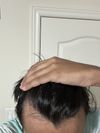
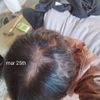
The conversation discusses a 4-month hair loss treatment progress using RU58841, topical Minoxidil, ketoconazole shampoo, and micro-needling. The user shares progress pictures taken at the start, after 1 month, and the current state, all under the same conditions.
Rejuv-3X, a topical blend with GHK-Cu, AHK-Cu, and JXL-089, is used for hair loss, offering a targeted option without finasteride's side effects. The user plans to combine it with microneedling for enhanced results.
The conversation discusses the comparison of Pyrilutamide Phase II US trial results with 1 mg finasteride for hair loss treatment. It mentions that the total hair count increase in the US trial was not as good as the China trial.
PP405 is a potential hair loss treatment that inhibits mitochondrial pyruvate carriers, increasing lactate dehydrogenase activity and stimulating hair follicle stem cells. In a phase 1 trial, 31% of participants showed over 20% hair density increase with PP405 treatment.
EDHARRINGTON's journey to regrow his hair using finasteride, topical minoxidil, and micro-needling treatments over 4 years, with others commenting their support and admiration for his results.
Exosomes combined with fractional picosecond laser treatment were effective in treating androgenetic alopecia and promoting repigmentation in white hair patches. The role of exosomes in hair repigmentation, particularly in conditions like poliosis, is not well-studied.
The user shared their 4-year hair regrowth journey using finasteride, minoxidil, RU58841, microneedling, and Nizoral shampoo. They plan to adjust their RU58841 dosage and are considering a hair transplant if current methods don't yield desired results.
Alfatradiol (0.025%) is an effective and safe treatment for androgenetic alopecia in both men and women, increasing anagen hair rates with minimal side effects. Users discuss its cost-effectiveness and ease of use compared to other treatments like finasteride and RU58841, with some combining it with stemoxydine and Minoxidil.
A 12-year-old diagnosed with alopecia shares their experience and current treatments, including Dermovate, an unnamed cream, and liquid iron. The community offers support and encouragement.
Hair follicle regenerative therapy is being developed, with clinical trials planned in Japan, potentially allowing for hair cloning and eliminating the need for treatments like finasteride. If successful, the treatment could be available in Japan by 2025, but widespread access and affordability may take longer.
Pyrilutamide phase 3 results showed little to no significant hair regrowth, but may be sufficient for maintaining current hair density. The user is unsure due to lack of recent discussions on pyrilutamide.
The conversation discusses the delay in the PP405 Phase 2 study results, now expected by the end of 2025, and skepticism about research practices. There is also mention of optimism for Amplifica's AMP303 and a topical treatment in early testing.
A 21-year-old female shared her 4-month hair growth progress using Minoxidil 5%, finasteride 1mg, Theradome LLLT, Viviscal vitamins, and PRP treatments twice. Commenters praised her progress and discussed other treatments like microneedling, but she noted her dermatologist advised against it due to potential scalp damage.
The user experienced hair regrowth using finasteride, minoxidil, dermarolling, and a castor oil and peppermint mix after initially having a significant hair loss. They reported no lasting side effects from finasteride and believe dermarolling contributed to their hairline growth.
Chime Biologics and Hope Medicine are speeding up the launch of a first-in-class antibody drug, HMI-115, for endometriosis and androgenic alopecia. The treatment involves a series of subcutaneous injections, has shown promising results in phase 1, and continues to promote hair regrowth even after the treatment is stopped.
Hair loss discussion mentions HMI-115 efficacy in 3 months after Phase II study. Users discuss treatment effectiveness and mention massive regrowth in previously bald areas.
A user reports significant hair density increase and new growth at the temples after two months of using finasteride, minoxidil, ketoconazole, dermarolling, MK-677, zinc, and vitamin D3, with shedding stopping a week ago. They recently added MK-677 to their regimen.
Epibiotech will offer off-the-shelf allogeneic hair multiplication treatment in South Korea, using dermal papilla cells from donors to grow hair in balding areas. This method is cheaper and less invasive than traditional hair transplants.
Triple Hair's TH-16, a product claimed to be more effective than Minoxidil 5%, has been released; it contains melatonin and resveratrol. One user reported success with topical melatonin and dermarolling.
The post discusses the use of El-Cranell, which contains Alfatradiol, and Quercetin as a treatment for hair loss. The user is seeking recommendations on the amount of Quercetin to add to the solution. The conclusion of the document is that Quercetin has been shown to stimulate hair growth and inhibit DHT, and combining it with zinc/copper may have a synergistic effect.
Male pattern baldness (MPB) may be an early warning sign for type 2 diabetes due to its association with insulin resistance. Treatments discussed include testosterone therapy and finasteride, which affects hormone levels related to hair loss and insulin sensitivity.
The user experienced side effects from low-dose topical finasteride and is considering using clascoterone (CB-03-01) despite concerns about its risks and cost. They seek advice on its effectiveness and potential side effects compared to other treatments like alfatradiol and fluridil.
A user shared their 4-month progress using a serum with Minoxidil 10%, Progesterone, Azelaic acid, Retinoic acid, Latanoprost, and Hydrocortisone, along with PRP and Fotona laser treatments. They are pleased with the results and plan to continue with more PRP and laser sessions, without using Finasteride.
RepliCel has purchased Trichoscience, and they have a video about hair multiplication. The conversation also mentions treatments like Minoxidil, finasteride, and RU58841.
The user applies a topical solution containing minoxidil, finasteride, dutasteride, retinoic acid, and hydrocortisone to address scalp inflammation and is considering adding cetirizine to the mix. They are calculating the correct amount of cetirizine to add to their formula and have paused this approach to retry oral minoxidil.